

Renovating a home can significantly improve comfort, functionality, and long-term resale value, but not all projects deliver the same return. Homeowners often feel overwhelmed when deciding where to invest first, especially when budgets and timelines are limited. Prioritizing renovation projects strategically helps direct money toward upgrades that solve real problems, improve efficiency, and attract future buyers. By evaluating condition, cost, and value impact, homeowners can create a renovation plan that balances immediate needs with long-term benefits.
Below are ten practical strategies to help you prioritize renovation projects for maximum value, whether you are planning a full remodel or making improvements over time.

Start With Structural And Safety-Related Repairs First
Structural integrity and safety should always come before design-driven upgrades. Issues such as shifting foundations, damaged framing, aging roofs, or compromised exterior elements can affect the entire home if left unresolved. These problems tend to escalate over time, often increasing repair costs and limiting future renovation options. Addressing them early protects your overall investment and prevents new finishes from being damaged by underlying failures.
Exterior structures deserve careful attention because they shape both safety and first impressions. Broken gates, leaning panels, or deteriorating posts reduce security and signal neglect. Working with a qualified fence company allows homeowners to assess whether repairs or full replacements are necessary, based on material condition, ground stability, and long-term durability. Updating fencing not only improves safety but also enhances curb appeal, which plays a major role in perceived value.
Structural repairs also influence how inspectors and appraisers evaluate a property. Buyers may overlook dated finishes if they feel confident in the home’s bones, but visible structural concerns often derail negotiations or lower offers. Prioritizing these repairs sets a solid foundation for every other renovation decision and helps projects move forward without unexpected interruptions or budget overruns later in the process.
Address Moisture, Airflow, And Fire Risks Early
Problems related to moisture, airflow, and fire safety often develop quietly, yet they can cause significant damage over time. Poor ventilation allows humidity to build up, leading to mold growth, wood rot, and declining indoor air quality. Fire hazards, particularly in heating systems, pose serious safety risks that should never be postponed in favor of cosmetic upgrades.
Chimneys are a common source of both moisture intrusion and fire danger. A professional chimney cleaning company can remove creosote buildup, animal nests, and debris that restrict airflow and increase fire risk. Routine inspections also identify cracks, damaged liners, or failing mortar joints before they allow water to penetrate surrounding structures.
Scheduling a chimney sweeping service as part of early renovation planning helps extend the life of the chimney and supports efficient heating performance. Even homes that use fireplaces infrequently benefit from maintenance, as unused chimneys can still deteriorate over time. By addressing airflow and fire risks early, homeowners reduce liability, protect future renovations, and create a safer living environment that adds meaningful value beyond aesthetics.
Evaluate Outdoor Upgrades That Improve Longevity And Appeal
Exterior upgrades often deliver strong returns because they influence first impressions and protect the home from environmental damage. However, prioritization is key. Instead of focusing on decorative landscaping or luxury additions, homeowners should begin with improvements that extend the lifespan of existing features and reduce long-term maintenance.
Pools, for example, can become expensive liabilities if surface deterioration is ignored. Cracks, staining, or worn finishes not only affect appearance but also expose the structure to water damage. Investing in professional pool coating reinforces the pool surface, improves water retention, and refreshes its look without the cost of a full rebuild.
Durable exterior upgrades signal responsible ownership. Buyers are more confident when they see surfaces that have been protected against weather exposure, UV damage, and wear. By prioritizing longevity-focused improvements, homeowners protect previous investments and reduce future repair needs. These upgrades also make it easier to layer in cosmetic enhancements later, knowing the underlying structures are sound and well-maintained.
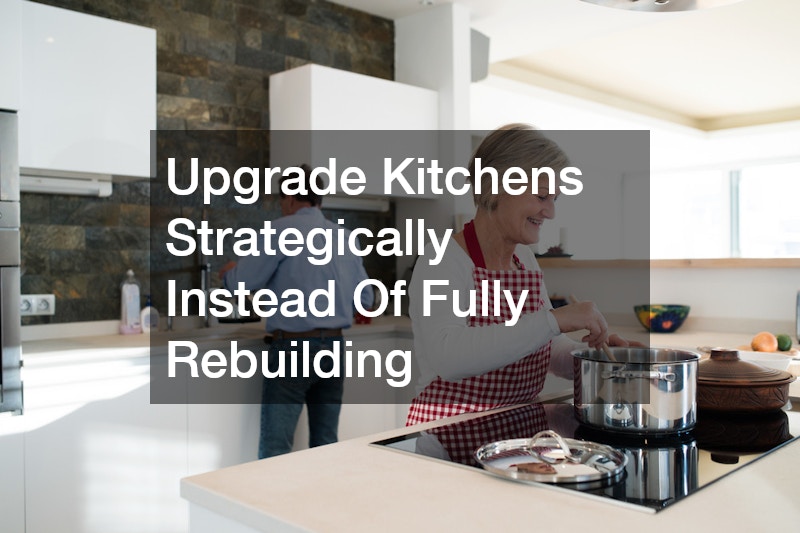
Upgrade Kitchens Strategically Instead Of Fully Rebuilding
The kitchen has a powerful influence on how homeowners and buyers perceive value, but a full renovation is not always the smartest first step. Strategic upgrades allow you to modernize the space while preserving layout efficiency and controlling costs. Prioritization should focus on elements that affect functionality, storage, and visual cohesion.
Updating kitchen cabinets often delivers the greatest impact for the investment. Refinishing, refacing, or replacing outdated cabinetry can transform the kitchen’s appearance without altering plumbing or electrical layouts. Improved storage solutions, soft-close hardware, and durable finishes enhance daily use while appealing to future buyers.
Rather than chasing trends, focus on timeless materials and neutral tones that age well. Kitchens that feel clean, functional, and cohesive tend to retain value longer than highly customized designs. By prioritizing strategic improvements over full rebuilds, homeowners can achieve a refreshed kitchen that balances cost, performance, and long-term appeal.
Eliminate Ongoing Damage From Pests Before Cosmetic Work
Pest-related damage often hides behind walls, under floors, or in attics, making it easy to overlook until renovations begin. Termites, rodents, and insects can weaken framing, insulation, and wiring, which undermines the success of any cosmetic improvement layered on top.
Partnering with a local pest control company early in the renovation process allows homeowners to identify active infestations and vulnerable areas. Treatment plans can be tailored to the home’s construction type, location, and surrounding environment, reducing the risk of recurring problems.
Addressing pest issues first protects new materials and finishes from damage. It also prevents costly rework, such as removing drywall or flooring to address infestations discovered after renovations are complete. Documentation of pest treatment can also support inspections and reassure buyers that the home has been properly maintained, adding both practical and perceived value.
Prioritize Water And Utility System Reliability
Reliable water and utility systems are essential to daily comfort and long-term home performance. Aging systems often fail without warning, causing damage that can undo completed renovations. Prioritizing these upgrades early reduces risk and supports more efficient use of resources.
Homes that rely on wells or experience inconsistent water pressure often benefit from professional water pump installers. Upgrading or repairing pumps improves water flow, protects appliances, and supports plumbing fixtures throughout the home. These improvements also help prevent leaks and pressure-related damage.
Utility upgrades should be completed before interior remodeling begins. Addressing plumbing, electrical, and mechanical systems early avoids cutting into finished walls or floors later. Reliable systems form the backbone of a well-functioning home, and prioritizing them ensures that cosmetic upgrades remain intact and effective over time.

Focus On Bathrooms That Show Wear Or Poor Function
Bathrooms experience heavy daily use, making them prone to wear, moisture damage, and outdated layouts. Instead of renovating every bathroom at once, prioritize spaces that show visible deterioration, inefficient layouts, or recurring maintenance issues.
Targeted bathroom remodeling projects can dramatically improve comfort and functionality. Replacing worn flooring, updating vanities, improving lighting, or addressing ventilation issues refreshes the space without requiring a full renovation. These upgrades also reduce moisture-related damage and improve hygiene.
Bathrooms play a critical role in resale decisions. Buyers often judge the overall condition of a home based on bathroom quality. Prioritizing improvements in the most heavily used or visibly outdated bathrooms delivers strong returns while allowing other spaces to be updated gradually.
Replace Outdated Fixtures That Affect Daily Use
Fixtures that are outdated or poorly designed can negatively affect daily routines, even if the surrounding space looks updated. Replacing these elements often delivers immediate improvements in comfort, safety, and usability.
Installing a modern shower door improves water containment, reduces slipping hazards, and simplifies cleaning. Contemporary designs also enhance the visual openness of a bathroom, making smaller spaces feel larger and more inviting.
These fixture upgrades are often cost-effective and quick to complete, making them ideal for homeowners seeking noticeable improvements without major construction. Small changes that improve daily experiences contribute to overall satisfaction and help the home feel thoughtfully maintained.
Use Professional Assessments To Guide Budget Allocation
Professional evaluations are a cornerstone of informed decision-making when it comes to home renovation projects. These evaluations are conducted by experts who bring a wealth of experience and specialized knowledge, offering homeowners a comprehensive analysis of potential renovation ventures. Such in-depth assessments provide invaluable insights that help determine which renovation projects will offer the best return on investment. Through detailed inspections, precise estimates, and thorough appraisals, homeowners can avoid the common pitfall of overinvesting in upgrades that may have minimal impact on the overall value or functionality of the home. Instead, these evaluations help pinpoint specific areas that truly require attention, ensuring that investments are directed towards projects that enhance both the aesthetic appeal and market value of the property.
An insurance appraisal is another critical tool that clarifies the nuanced relationship between home improvements and the home’s replacement value. It also outlines how these upgrades alter the homeowner’s insurance coverage requirements. With this clear and detailed information at their disposal, homeowners can adjust their renovation budgets in alignment with both immediate objectives and long-term financial planning goals. This proactive alignment helps ensure that as the home’s value increases due to renovations, the property remains adequately insured, thereby safeguarding it against future contingencies.
Seeking professional input when planning renovations also supports a more informed and strategic sequencing of projects. By understanding which systems or structural components demand urgent attention, homeowners can plan renovations in a logical and efficient manner. This strategic planning not only minimizes disruptions but also helps avoid unexpected costs that may arise from poorly timed or executed projects. Relying on data-driven decisions, rather than solely on visual preferences or trends, tends to produce more effective and satisfactory outcomes. It enables homeowners to prioritize projects based on necessity and potential value addition, ultimately leading to a home that is both beautiful and functionally superior.
Time Cosmetic Improvements After Core Systems Are Updated
Cosmetic upgrades should be the final stage of a renovation plan. Paint, flooring, trim, and décor are easily damaged during major repairs and should only be installed once core systems are stable.
Completing structural, utility, and safety-related projects first creates a clean slate for finishing touches. Cosmetic improvements last longer and look better when applied in a controlled environment without ongoing construction.
This phased approach also allows homeowners to manage budgets more effectively. By prioritizing essential upgrades first, cosmetic improvements can be added thoughtfully over time, maximizing both enjoyment and long-term value.
Embarking on home renovation projects can be an exciting yet daunting task for many homeowners. The key to successful renovation isn’t in trying to tackle all aspects of the project simultaneously but rather in implementing a well-thought-out strategy that focuses on prioritization. It is imperative to recognize that prioritizing renovation projects involves making informed and strategic decisions that will yield the most benefit over time.
One fundamental approach to achieving this is by first addressing the critical systems of your home. These systems form the backbone of your home’s functionality and safety, including electrical wiring, plumbing, roofing, and HVAC systems. By ensuring these key components are in optimal working condition, homeowners can prevent larger, costlier repairs in the future and maintain a safe living environment. Prioritizing these elements not only safeguards the property’s value but also provides peace of mind for day-to-day living.
In addition to critical systems, it is essential to consider the structural needs of the building. This involves an evaluation of foundational integrity, potential issues with support beams, and overall building envelope conditions such as insulation and exterior siding. Addressing structural shortcomings can prevent unexpected damages and fortify the home’s ability to withstand environmental challenges, thereby preserving the property value and structural safety.
Equally important are the high-impact spaces within the home, such as kitchens and bathrooms, which are frequently used by the occupants and often serve as a focal point during property evaluation. By upgrading these pivotal areas, homeowners can significantly enhance functionality and aesthetics, which not only increases personal satisfaction but can also improve the property’s marketability should you decide to sell in the future.
Implementing a well-sequenced renovation plan is crucial. This careful planning ensures that each upgrade is intentional and contributes to a cohesive vision for the home. As each project builds upon the previous one, the cumulative effect is a residence that not only functions efficiently but also delivers aesthetic pleasure and increases in market value over time. Ultimately, strategic prioritization and sequencing in renovation projects pave the way for creating a harmonious living space where beauty meets practicality, ensuring the home performs as beautifully as it looks.
