
Improving your property is exciting, but it can also be overwhelming. Many homeowners jump straight into visible upgrades like patios, sheds, or landscaping without fully understanding what’s happening beneath the surface. The result? Costly repairs, drainage issues, structural problems, and constant maintenance headaches.
The smartest way to approach any outdoor project is to think from the ground up. That means starting with proper planning, ensuring your land is stable and well-prepared, managing water correctly, and choosing materials and structures that will last. When each layer is thoughtfully designed, everything above it performs better and lasts longer.
Whether you’re tackling a major renovation or just looking to make smarter upgrades, these strategies will help you avoid common mistakes and get better long-term results.
Start with a Solid Plan Before You Break Ground
Before any shovel hits the dirt, your success depends on how well you understand your property. Skipping this step is one of the biggest reasons outdoor projects fail.
Evaluate Your Property’s Natural Slope and Water Flow
Take time to observe your property during or after heavy rain. This gives you real insight into how water behaves on your land.
Look for:
- Areas where water pools or drains slowly
- Soil erosion along slopes
- Water collecting near your home’s foundation
- Uneven ground that could affect structures
These signs often indicate the need for a land grading service. Proper grading ensures water moves away from your home instead of toward it.
When to Bring in Professionals for Site Preparation
Not all grading or drainage issues can be handled with simple DIY fixes. You may need expert help if you notice:
- Persistent soggy areas that never dry out
- Water entering your basement or crawl space
- Sloping land that’s difficult to level
- Foundation cracks caused by shifting soil
A drainage company can assess your property and design a system that manages water effectively long-term.
Create a Master Plan for All Outdoor Projects
Instead of tackling projects one at a time, think about your entire property as a system.
Ask yourself:
- Will you add a patio, shed, or driveway later?
- Where will water flow once everything is built?
- How will different areas connect visually and functionally?
Planning everything upfront helps you avoid redoing work later and ensures all elements work together seamlessly.
Manage Water Early to Prevent Costly Damage
Water is one of the most destructive forces affecting your property. It may seem harmless at first, but over time, uncontrolled water can weaken your foundation, damage hard surfaces, kill landscaping, and even create health risks inside your home. The key is to address water issues early—before they turn into expensive repairs.
What makes water especially tricky is that damage often happens slowly and out of sight. By the time you notice a problem, it may already be advanced. That’s why understanding the early warning signs is so important.
Spot the Early Warning Signs of Drainage Problems
Even small drainage issues can escalate quickly if they’re ignored. Being proactive can save you thousands of dollars and prevent long-term structural damage.
Watch for these common signs:
- Standing water after rainfall
If water sits on your lawn, driveway, or near your foundation for hours (or even days), it means your property isn’t draining properly. This can lead to soil erosion, plant damage, and foundation stress. - Muddy or constantly damp soil
Areas that never fully dry out often indicate poor grading or compacted soil. Over time, this weakens the ground’s stability and can affect anything built on top of it. - Cracks in concrete or asphalt
Water seeps into small cracks, then expands and contracts with temperature changes. This process widens cracks and eventually leads to surface failure. - Mold or moisture inside your home
Musty odors, damp walls, or visible mold are signs that water is finding its way inside. This is not just a structural issue—it can also impact indoor air quality and health.
Additional Subtle Signs Many Homeowners Miss
Some drainage problems aren’t as obvious but are just as important to catch early:
- Gutter overflow or pooling near downspouts
If water isn’t being directed far enough away from your home, it will collect near the foundation. - Uneven or sinking ground areas
This can signal that water is washing away soil beneath the surface. - Dying grass or patchy landscaping
Too much water can suffocate plant roots, while poor drainage can also lead to nutrient loss. - Water stains on exterior walls or siding
This often indicates water isn’t being properly diverted away from the structure.
Why Acting Early Matters
Ignoring these warning signs can lead to much bigger problems, including:
- Foundation cracks and structural instability
- Basement flooding or crawl space moisture
- Damage to patios, driveways, and walkways
- Increased pest activity in damp environments
- Higher repair and maintenance costs over time
The earlier you identify and address drainage issues, the simpler and more affordable the solution will be. Small adjustments—like improving grading or redirecting water flow—can prevent major renovations down the line.
A Simple First Step
One of the easiest things you can do right away is observe your property during the next rainfall. Walk around and take note of:
- Where water collects
- How quickly it drains
- Whether it flows toward or away from your home
This quick assessment can give you valuable insight and help you decide what steps to take next.
Managing water isn’t just about fixing problems—it’s about preventing them. When you take control of drainage early, you protect every other investment you make in your property.
Practical Solutions for Redirecting Water Away from Your Home
One of the most effective solutions is French drain installation. This system redirects water away from problem areas by using a trench filled with gravel and a perforated pipe.
Benefits include:
- Preventing water buildup near your foundation
- Reducing soil erosion
- Protecting landscaping and hardscaping
- Minimizing basement moisture issues
In more complex cases, a drainage company can implement multiple solutions such as surface drains, grading adjustments, and underground systems.
Choosing the Right Solution for Your Property
Not every drainage issue requires the same fix. Consider:
- The size of your property
- Soil type (clay vs sandy soil)
- Severity of water problems
- Budget and long-term goals
While some minor issues can be addressed with DIY solutions, larger or recurring problems are best handled professionally to ensure lasting results.
Build Outdoor Spaces That Add Value and Function
Outdoor living spaces are one of the best ways to increase both enjoyment and property value—but only if they’re done right.
Design Outdoor Spaces That Fit How You Actually Live
Think about how you’ll use the space before designing it.
Consider:
- Do you host gatherings often?
- Do you want a quiet place to relax?
- Will you need space for kids or pets?
Your answers will shape everything from layout to materials.
What to Look for When Hiring the Right Professionals
Choosing the right patio builder is critical. Ask questions like:
- What materials do you recommend and why?
- How do you handle drainage beneath the structure?
- Can you show examples of similar projects?
Hardscaping companies often offer broader services, including retaining walls, walkways, and outdoor kitchens. Make sure their expertise aligns with your goals.
Avoid Common Mistakes That Lead to Expensive Redos
Many outdoor projects fail due to simple oversights:
- Skipping proper base preparation
- Choosing materials based on appearance alone
- Ignoring drainage needs
- Not accounting for long-term maintenance
Avoiding these mistakes will save you significant time and money.
Choose the Right Materials for Durability and Style
The materials you choose play a huge role in how long your project lasts and how much maintenance it requires.
Understand the Difference Between Aesthetic and Structural Materials
Not all materials serve the same purpose. Some are decorative, while others provide structural support.
For example:
- Gravel and mulch are great for appearance but not load-bearing
- Concrete and stone provide strength and durability
Understanding this difference helps you make smarter decisions.
How to Select Landscaping Materials That Last
When choosing landscaping material, consider:
- Climate and weather conditions
- Drainage properties
- Maintenance requirements
- Compatibility with surrounding features
Popular options include:
- Mulch for moisture retention
- Gravel for drainage
- Natural stone for durability
- Pavers for structured areas
Work with Experts to Source Quality Materials
Experienced hardscaping companies can guide you toward materials that balance cost, durability, and appearance.
They can help you:
- Avoid cheap materials that degrade quickly
- Match materials to your property’s needs
- Ensure proper installation for longevity
Use the Right Tools Without Overspending
The tools you use can make or break your project. However, buying expensive equipment isn’t always necessary.
When Renting Equipment Makes More Sense Than Buying
For most homeowners, equipment rental is the smarter choice for large or one-time projects.
Benefits include:
- Lower upfront cost
- No maintenance or storage concerns
- Access to professional-grade tools
Essential Tools for DIY Property Improvements
Depending on your project, you may need:
- Plate compactors for leveling soil
- Trenchers for drainage systems
- Excavators for digging and grading
- Concrete mixers for hardscaping
Using equipment rental allows you to access these tools without committing to ownership.
How to Maximize Value from Equipment Rental
To get the most out of your rental:
- Plan your project timeline carefully
- Rent all necessary tools at once
- Practice safe operation to avoid damage fees
- Return equipment on time
This approach keeps your project efficient and cost-effective.
Strengthen Surfaces to Handle Heavy Use
Driveways, walkways, and parking areas take a lot of wear and tear. Reinforcing these surfaces can significantly extend their lifespan.
Why Standard Surfaces Fail Over Time
Without proper reinforcement, surfaces can develop:
- Cracks from temperature changes
- Ruts from heavy vehicles
- Uneven settling due to poor base preparation
These issues often require costly repairs.
Reinforcement Options That Extend Surface Life
Asphalt reinforcement systems provide added strength by stabilizing the base layer and distributing weight more evenly.
They are especially useful for:
- Driveways with frequent vehicle traffic
- Areas with poor soil conditions
- Regions with extreme weather fluctuations
Long-Term Cost Savings of Reinforced Surfaces
While reinforcement adds to upfront costs, it reduces:
- Maintenance frequency
- Repair expenses
- Premature replacement
In the long run, it’s a smart investment for durability.
Add Functional Structures That Enhance Your Property
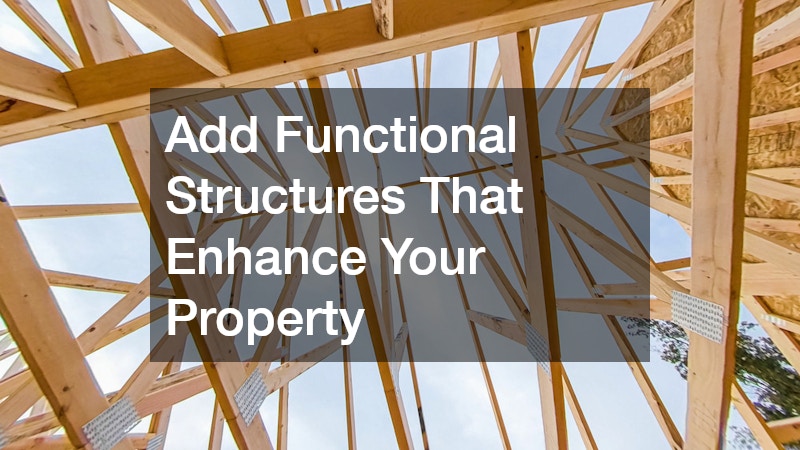
Adding structures like sheds can improve both functionality and organization.
Determine the Best Use for Additional Structures
Before building, decide how you’ll use the space:
- Storage for tools and equipment
- Workshop or hobby space
- Home office or studio
This will influence size, layout, and features.
Custom vs Pre-Built Options
Working with a shed builder allows for customization, including:
- Size and layout tailored to your needs
- Better material quality
- Integration with your property’s design
Pre-built options may be quicker, but they often lack flexibility.
Design Tips for Long-Term Use
To ensure your structure remains useful over time:
- Include proper ventilation
- Consider insulation if needed
- Ensure easy access and pathways
- Position it on stable, well-drained ground
Maintain Your Property to Prevent Bigger Problems
Even the best-built property requires ongoing maintenance to stay in top condition.
Keep Trees Healthy and Away from Structures
Trees add beauty but can also cause damage if not maintained.
A local tree service can help with:
- Trimming overgrown branches
- Removing hazardous trees
- Preventing root damage to foundations
Prevent Infestations Before They Start
Pests can quickly become a major issue if left unchecked.
A pest control company can:
- Identify early signs of infestations
- Provide preventative treatments
- Protect both your home and outdoor structures
Build a Simple Year-Round Maintenance Routine
Consistency is key. Create a schedule that includes:
Monthly:
- Inspect drainage areas
- Check for standing water
- Look for pest activity
Seasonally:
- Trim trees and shrubs
- Clean gutters and drains
- Inspect hard surfaces for cracks
Annually:
- Evaluate overall property condition
- Address minor issues before they grow
- Plan upgrades or improvements
Staying proactive helps you avoid costly repairs and keeps your property looking and functioning its best.
Building And Maintaining a Property
Building and maintaining a property the right way requires more than just choosing attractive features. It’s about creating a strong foundation, managing water effectively, selecting durable materials, and maintaining consistency in upkeep.
When you approach your property with a long-term mindset, every improvement becomes more valuable. You’ll spend less time fixing problems and more time enjoying the space you’ve created.
Start with a clear plan, invest in the right solutions, and focus on quality at every step. The result is a property that not only looks great but performs reliably for years to come.
