
Building a home from the ground up is perhaps the most significant endeavor a property owner can undertake. It is a process that begins with a vision of a refined lifestyle and ends with a physical structure that reflects the tastes of its inhabitants. However, the path from a rugged, untouched lot to a polished estate is filled with complex decisions, logistical hurdles, and a series of technical phases that require careful orchestration. To reach the goal of creating modern, sustainable homes, a developer must look beyond the blueprints of the house itself and consider the entirety of the land. This involves a deep understanding of the local environment, the legal boundaries of the property, and the long-term maintenance required to keep a luxury residence functioning at its peak.
The journey starts with a respect for the natural landscape and a commitment to quality. Developing land is not merely about clearing a space for a foundation; it is about integrating a new structure into an existing ecosystem in a way that feels intentional and lasting. Every step, from the first boundary check to the final landscaping touch, contributes to the overall value and comfort of the property. This checklist serves as a comprehensive guide for those looking to transform raw acreage into a high-end sanctuary, ensuring that no detail is overlooked in the pursuit of residential excellence.
Mapping the Future with Precision
Before a single shovel hits the dirt or any heavy machinery arrives on site, the very first priority is to establish exactly where the project begins and ends. Working with a professional surveyor is the non-negotiable first step in any land development project. These experts do far more than just plant wooden stakes in the corners of a lot. They provide the legal and geographical framework upon which every other decision will be built. A detailed survey identifies property lines, existing easements, and any potential encroachments that could lead to legal headaches years down the road.
Beyond just finding the boundaries, these professionals create topographic maps that are essential for architects and civil engineers. Knowing the exact elevation changes across a piece of land allows a builder to plan for proper drainage and foundation placement. If a property owner skips this step or relies on outdated records, they risk building too close to a neighbor’s line or constructing a permanent structure over a utility easement. Investing time in a modern survey ensures that the transition from a raw concept to a physical build is grounded in accuracy, providing peace of mind as the project moves into the more transformative phases of development.
Preparing the Site for Construction
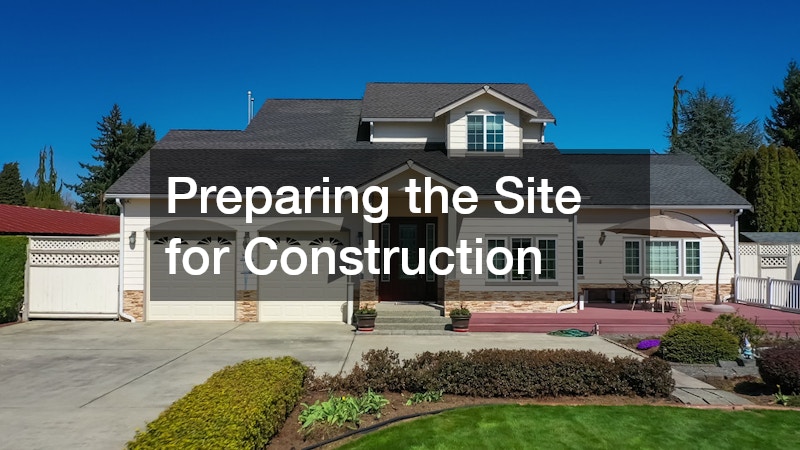
Once the boundaries are set and the maps are drawn, the physical transformation of the land begins. This phase is often the most dramatic, as the wild elements of the property are tamed to make room for human habitation. The process of land clearing involves removing unwanted brush, thickets, and debris to create a clean slate for the construction crew. This is not about total deforestation; rather, it is a strategic effort to remove obstacles while preserving the features that make the property unique. Proper clearing also involves managing the topsoil and ensuring that the ground is stabilized so that heavy equipment can move around without causing excessive erosion.
Strategic planning during this stage prevents future problems with water runoff and soil stability. It is often during this phase that the true character of the lot is revealed. The slope of a hill or the way the sunlight hits a particular clearing might change the planned orientation of the home. By taking a methodical approach to clearing, a developer can ensure that the site is safe, accessible, and ready for the intensive utility work that follows. This stage sets the tone for the entire project, moving the needle from a piece of wild nature toward a structured building site.
Managing the Natural Canopy
While many trees add immense value and beauty to a luxury estate, not every piece of vegetation is an asset. In many cases, specific trees may be diseased, dying, or located too close to the future footprint of the house to be safe. Engaging a professional for local tree removal is a critical safety measure. Large trees with shallow root systems or heavy, overhanging limbs can pose a significant threat to a new roof during a storm. Furthermore, removing certain trees can open up sightlines, allowing for breathtaking views or better sunlight penetration for solar panels and gardens.
A professional arborist can help determine which trees are healthy enough to stay and which ones might become liabilities in five or ten years. Removing trees locally also helps in creating a defensible space for fire safety, which is a growing concern for many luxury properties in wooded areas. This process should always be handled by experts who understand how to fell a tree without damaging the surrounding environment or the soil. Once the dangerous or obstructive timber is gone, the property begins to feel less like a forest and more like a curated landscape, ready for the next level of infrastructure.
Establishing Water Features and Aesthetics

Water is often the element that elevates a property from a standard home to a high-end estate. Whether it is for recreation, aesthetics, or even local fire protection, water features require specialized engineering. Hiring a residential pond construction service allows a homeowner to add a dynamic and peaceful focal point to their land. A well-designed pond can serve as a sanctuary for local birds or be stocked with fish for a private angling experience. However, a pond is more than just a hole in the ground filled with water; it requires a sophisticated understanding of liners, aeration systems, and biological filtration.
A professionally built pond also assists with the property’s overall drainage plan. It can act as a catch basin for rainwater, preventing the yard from becoming swampy during heavy downpours. When integrated correctly, these water features become a self-sustaining part of the ecosystem. They provide a sense of tranquility that is hard to replicate with any other landscaping feature. By investing in professional construction from the start, owners avoid the common pitfalls of stagnant water and leaking basins, ensuring that their private oasis remains a source of joy rather than a maintenance nightmare.
Creating Durable Access and Entryways
As the house begins to take shape, the focus shifts to the infrastructure that connects the home to the outside world. The driveway is the first thing a visitor sees, and it sets the aesthetic tone for the entire residence. High-quality asphalt paving is a popular choice for luxury estates because of its sleek appearance and its ability to withstand the weight of heavy vehicles. A properly paved surface provides a smooth, quiet ride and helps manage water runoff away from the home’s foundation. Unlike gravel, which can shift and create dust, a professional paving job offers a clean, permanent solution that requires minimal upkeep over the years.
The durability of the driveway is largely dependent on the quality of the sub-base and the thickness of the material applied. In colder climates, the flexibility of asphalt allows it to expand and contract with temperature changes, reducing the likelihood of significant cracking. For those building large compounds, having a reliable and well-maintained road system within the property is essential for both daily convenience and emergency vehicle access. It is an investment in both the functionality and the curb appeal of the property, bridging the gap between the rugged natural world and the refined interior of the home.
Integrating Modern Indoor-Outdoor Transitions
One of the hallmarks of high-end architectural design is the seamless transition between the interior living space and the outdoor environment. This is often achieved through the installation of expansive patio doors that allow natural light to flood the home. Modern glass technology has advanced to the point where these large openings do not compromise the home’s energy efficiency. High-performance frames and triple-pane glass ensure that the home stays cool in the summer and warm in the winter, all while providing an unobstructed view of the carefully curated landscape and pond outside.
The choice of door style, whether it be a massive multi-slide system or a classic French door design, dictates the flow of the home. These entryways are more than just exits; they are functional pieces of art that define the “great room” experience. In a luxury setting, the hardware should be substantial and the movement should be effortless. When these doors are open, the porch becomes an extension of the living room, doubling the entertaining space and allowing the scent of the surrounding forest to drift through the house. It is this connection to nature that defines the modern luxury lifestyle.
Maintaining the Utility Hub
Even the most beautiful homes require functional spaces like garages to house vehicles and outdoor equipment. The garage is often the most used entry point for the residents, making its reliability paramount. Over time, the heavy use of these systems can lead to wear on springs, cables, and motors. Having a trusted source for garage door repair is vital for maintaining the security and convenience of the home. A malfunctioning door is more than just an annoyance; it can be a safety hazard and a weak point in the home’s thermal envelope.
Regular maintenance and timely repairs ensure that the heavy doors operate quietly and safely. In a high-end property, many homeowners opt for insulated doors that match the architectural style of the main house. If these doors become misaligned or the sensors fail, it can disrupt the daily rhythm of the household. Keeping the mechanical components in top shape is a small but necessary part of property management. It ensures that the transition from the paved driveway into the protected environment of the home is always smooth and secure, protecting the valuable assets kept within.
Proactive Pest and Insect Management

A common challenge for those living on expansive lots is the presence of local insects that can make outdoor living uncomfortable. To fully enjoy the porches, decks, and pond areas, a consistent strategy for mosquito control is necessary. These pests thrive in wooded areas and near water, and without a plan, they can quickly drive people indoors during the best hours of the day. Modern management techniques focus on targeting breeding grounds and using localized treatments that are effective without being harmful to the broader environment.
Property owners can choose from a variety of solutions, including automated misting systems or seasonal barrier treatments. Reducing the population of these insects also lowers the risk of various diseases they can carry, making the backyard a safer place for children and pets. This level of management is what separates a wild lot from a luxury estate. It allows for the full use of the outdoor amenities that the owner worked so hard to build. By staying ahead of the breeding cycle, the property remains a comfortable sanctuary throughout the spring and summer months.
Coexisting with Local Wildlife
Building in a natural setting often means sharing the land with a variety of creatures, from squirrels and raccoons to larger mammals. While watching wildlife from a distance is a perk of rural living, things change when these animals decide to take up residence inside the home or garage. When critters find their way into attics or crawlspaces, professional animal removal is the most humane and effective way to handle the situation. Experts can identify the entry points, safely remove the occupants, and provide exclusion services to ensure they do not return.
Attempting to handle wildlife without professional help can lead to property damage or even injury. A professional service understands the habits of local species and uses methods that minimize stress for the animal while protecting the integrity of the home. Protecting the structure from wildlife is an ongoing part of property ownership. By sealing gaps and managing the landscape to discourage nesting near the house, owners can enjoy the beauty of nature without the headaches of unwanted houseguests.
A Lasting Legacy
As the project nears completion, the individual components begin to hum together in harmony. The raw land that was once a tangled mess of brush has been transformed into a structured, elegant environment. The presence of sustainable homes on well-managed land represents a significant achievement in modern development. These properties are designed to last for generations, utilizing high-quality materials and smart land management practices to minimize their environmental footprint while maximizing the comfort of their inhabitants.
The final touches often involve a return to the basics. Every element of the checklist, from the sturdy asphalt paving to the quiet operation of the garage doors, contributes to a sense of permanence and quality. This is not just a house; it is a meticulously planned environment that respects the land it sits on. Achieving this level of excellence requires a shift in mindset. When the land is cleared with intention, the trees are managed with care, and the pests are controlled with precision, the result is a property that feels truly complete.
