

Every homeowner eventually faces the same question while standing in a hardware store aisle or watching an online tutorial: can I actually do this myself, or am I about to make an expensive mistake? Some projects genuinely reward a confident DIYer with savings and satisfaction, while others hide risks that only show up after the walls are closed up or the system fails. Knowing where that line sits can protect your budget, your home’s value, and sometimes your safety.
This guide breaks down common home projects by category so you can decide, with confidence, when to grab your tools and when to call in a professional.
Mixing and Pouring Concrete for Walkways and Slabs
Small concrete patches and stepping stones are reasonable weekend projects for most homeowners, especially with pre-mixed bags and basic forms. The math gets trickier once you’re talking about a driveway apron, a large patio slab, or anything that needs to bear vehicle weight or resist frost heave over multiple seasons. Ordering concrete ready mix in bulk from a supplier requires accurate volume calculations, proper site prep, and a crew ready to pour and finish before it starts to set.
Timing is the real challenge with concrete work. Once a truck arrives with your order, you typically have 60 to 90 minutes before the mixture becomes unworkable, which leaves little room for error if you’re inexperienced.
- Small repairs and decorative touches are fine for confident DIYers
- Structural slabs, driveways, and foundations need professional-grade planning
- Weather and curing time affect long-term durability
- Rebar or mesh reinforcement often requires specific know-how
- Mistakes in grading can cause water pooling for years afterward
Laying a Backyard Walkway Versus Building a Full Outdoor Living Space
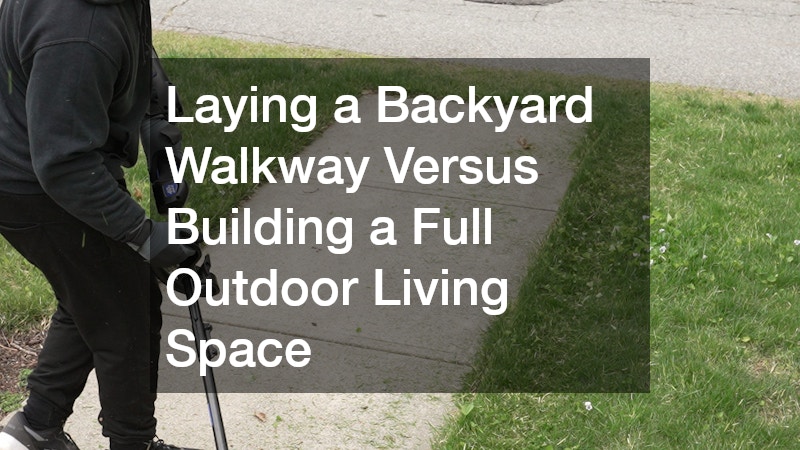
A simple paver walkway or small seating area is one of the more approachable outdoor projects, and many homeowners successfully install patio pavers over a weekend or two with rented compaction equipment. The key is proper base preparation, since skipping the gravel and sand layers is the number one reason paver patios shift, sink, or develop weeds within a year or two.
Where things get complicated is scale and drainage. A large patio connected to a house foundation needs to be sloped correctly to direct water away from the structure, and getting that wrong can lead to basement moisture problems down the road.
- Small paver paths are beginner-friendly with the right tools
- Base depth and compaction determine long-term stability
- Drainage slope matters more as the project gets larger
- Curved designs or intricate patterns benefit from experienced installers
- Permits may be required for extensive hardscaping near property lines
Knowing When Your Home’s Wiring Needs a Serious Overhaul
Swapping a light fixture or replacing an outlet cover is well within reach for most DIYers who understand basic safety precautions like shutting off the breaker first. But anything involving the main service panel is a different category entirely, and this is one area where professional installation isn’t just recommended; it’s usually required by code. Electrical panel upgrades involve working with the main power feed from the utility company, and a mistake here can cause fires, electrocution, or damage to every appliance in your home.
Older homes with fuse boxes or panels rated below 100 amps often can’t support modern demands like electric vehicle chargers, central air, or multiple large appliances running at once. A licensed electrician will pull permits, size the new panel correctly, and ensure the work passes inspection, which matters enormously if you ever sell the house.
- Never attempt work on the main panel without proper training
- Permits and inspections are standard for panel replacements
- Signs you need an upgrade include frequent breaker trips and flickering lights
- Insurance companies may deny claims tied to unpermitted electrical work
- A licensed electrician can also assess whether your wiring needs attention
Choosing Between DIY Flooring and Hiring Installation Help
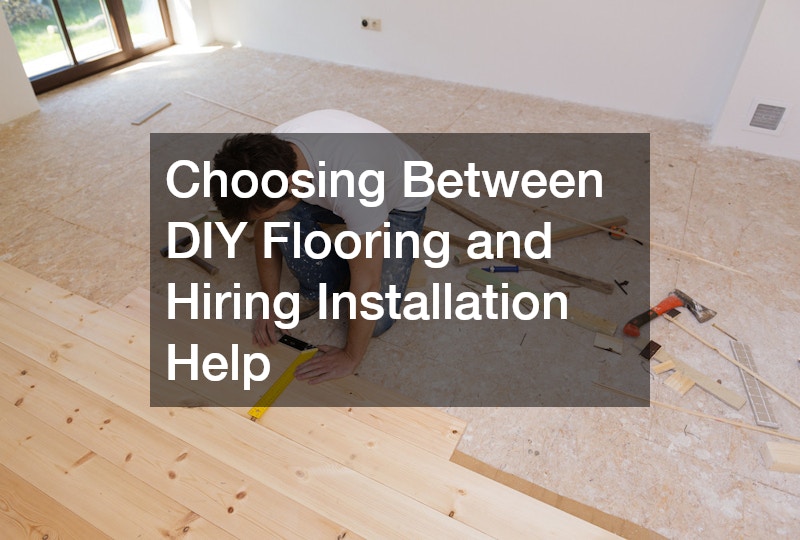
Click-lock laminate and luxury vinyl plank have made flooring one of the most DIY-friendly renovations around, and plenty of homeowners install an entire room’s worth of flooring without prior experience. Most floating-floor systems snap together without glue or nails, and a basic toolkit — spacers, a tapping block, a pull bar, and a rented or borrowed flooring saw — rarely costs more than $50 to $75. A weekend is usually enough time to floor a 200-square-foot room, even for a first-timer working at a cautious pace.
The learning curve is manageable, tools are inexpensive to rent or buy, and mistakes are usually forgiving since planks can be replaced individually rather than requiring a full redo. Watching a few installation videos and dry-fitting the first row before committing to adhesive-free locking joints is usually enough preparation. Common beginner mistakes — forgetting expansion gaps along the walls, misjudging staggered seams, or cutting boards slightly short — are easy to fix by swapping out a plank or trimming a new piece, rather than derailing the whole project.
Laminate and click-together vinyl plank are forgiving enough for a first-time DIYer to tackle over a weekend. But hardwood, tile, and anything involving subfloor repair is where hiring flooring contractors starts to make more financial sense. Professional installers have the tools and training to address uneven subfloors, moisture barriers, and transitions between rooms with different floor heights — issues that trip up even careful DIYers. A subfloor that’s out of level by more than 3/16 inch over a 10-foot span, for example, can cause tile to crack or hardwood planks to squeak within months of installation, and correcting it often requires self-leveling compound or floor jacks most homeowners don’t own.
Moisture is another hidden risk. Concrete slabs need a proper vapor barrier before wood or laminate goes down, and skipping that step can lead to warping, mold, or a full tear-out a year or two later. Cost is worth weighing too. DIY saves on labor, but a botched hardwood install can mean replacing $6-$10 per square foot of ruined material, plus the professional labor you were trying to avoid in the first place. For anything beyond a simple, single-room refresh, getting a quote from a flooring contractor before committing to a DIY approach is usually the safer financial move.
- Laminate and vinyl plank are approachable for first-time installers, especially click-lock varieties that snap together without glue or nails
- Tile setting requires skill with leveling, spacing, and grout lines, since uneven tiles or crooked lines are hard to fix without pulling them back up
- Hardwood installation often needs specialized nailers or adhesives, plus room for the wood to expand and contract with humidity changes
- Subfloor damage should be assessed and repaired before new flooring goes down, including soft spots, squeaks, or moisture issues that will ruin an otherwise good installation
- Warranties on materials sometimes require professional installation to stay valid, so check the fine print before deciding to DIY
- Large rooms or tricky layouts with lots of cuts, transitions, or angles add complexity that favors hiring a pro
- Renting or buying specialty tools (wet saws, flooring nailers) can quickly eat into any DIY savings
Understanding the Complexity Behind Heating and Cooling System Repairs
Changing an air filter, cleaning vents, or clearing debris from an outdoor condenser unit are all reasonable maintenance tasks for homeowners. These small habits actually extend the life of your system and are worth doing regularly regardless of your DIY comfort level. Anything beyond basic maintenance, though, quickly moves into territory that requires certified HVAC services.
Refrigerant handling is regulated by federal law, and installing or repairing a central air system without proper certification is both illegal and dangerous. Technicians also calculate load requirements specific to your home’s square footage and insulation, which determines the right size unit, a step that’s easy to get wrong without training.
- Filter changes and basic cleaning are safe DIY tasks
- Refrigerant work legally requires EPA certification
- Improper duct sizing leads to uneven heating and cooling
- Annual professional tune-ups catch small problems early
- Thermostat installation is DIY-friendly, but wiring issues may not be
Installing Synthetic Grass Without Costly Drainage Mistakes

Backyard synthetic grass installation has become popular for homeowners tired of mowing, watering, and dealing with patchy lawns, and small areas like dog runs or narrow side yards are genuinely doable as DIY projects. The materials are more accessible than they used to be, with seaming tape and infill sold in manageable quantities.
Larger installations covering an entire backyard raise the stakes considerably. Getting the base compaction and drainage layer wrong can lead to pooling water, unpleasant odors, and a lawn that looks lumpy within a season, so bigger projects often benefit from crews with grading experience.
- Small patches are manageable for hands-on homeowners
- Base preparation determines whether water drains properly
- Seaming visible joints neatly takes practice
- Pet owners should ask about odor-resistant infill options
- Large yards benefit from professional grading equipment
Knowing When Plumbing Work Is Beyond a Homeowner’s Reach
Replacing a faucet, unclogging a drain, or swapping a showerhead are common tasks that homeowners handle successfully with basic tools and a little patience. These jobs rarely require special permits, and mistakes are usually contained and fixable.
Anything involving your main water line, sewer connection, or gas line is where calling a licensed plumbing company stops being optional. Hidden pipe damage, improper venting, or a botched connection can lead to water damage that costs far more than the original repair would have, and some issues won’t show up until months later in the form of mold or structural rot.
- Faucet and fixture swaps are approachable DIY tasks
- Slab leaks and sewer line issues need professional diagnosis
- Gas line work should always be handled by licensed professionals
- Water heater installation involves both plumbing and electrical knowledge
- Permits are often required for significant repiping projects
Evaluating the Scope of Putting On an Entirely New Roof
Minor repairs like replacing a handful of shingles after a storm are sometimes within reach for handy homeowners who are comfortable on a ladder and understand basic safety precautions. That said, roofing is one of the more dangerous DIY categories, and falls remain a leading cause of home improvement injuries every year.
Full roof replacements are almost always a job for professional crews, not because homeowners lack the skill, but because the scale, safety equipment, and building code requirements make it impractical to tackle alone. Professional roofers also carry the liability insurance and warranties that protect you if something goes wrong years down the line, which matters enormously given how much a new roof costs.
- Small shingle repairs may be manageable for experienced DIYers
- Full tear-offs require crews, safety gear, and disposal logistics
- Improper flashing installation is a leading cause of leaks
- Manufacturer warranties often require certified installation
- Insurance claims after storm damage go smoother with professional documentation
Deciding Whether to Repair or Replace Your Garage Door
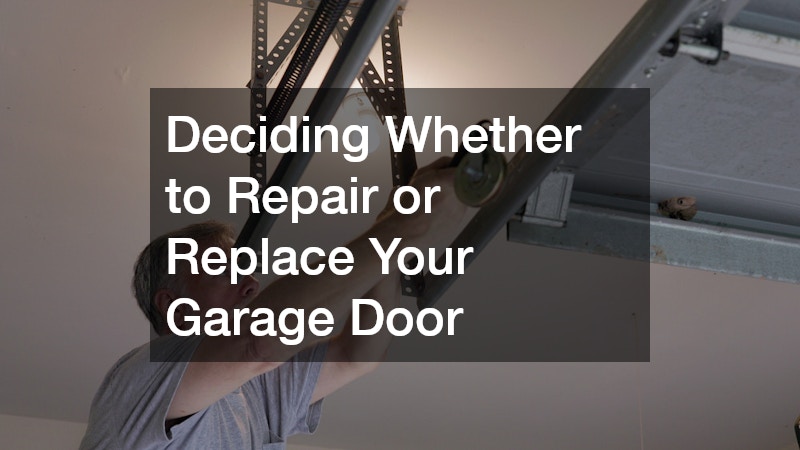
Lubricating hinges, tightening loose hardware, and replacing worn weatherstripping are simple maintenance tasks that any homeowner can handle in an afternoon. These small efforts keep the door operating smoothly and can delay the need for bigger repairs.
Springs, cables, and opener mechanisms are a different story entirely, since garage doors are under significant tension and can cause serious injury if handled incorrectly. Calling a garage door service for spring replacement or track realignment is the safer and often cheaper route once you factor in the cost of a potential emergency room visit or a door that’s damaged beyond repair from a DIY attempt gone wrong.
- Basic lubrication and hardware checks are safe DIY tasks
- Torsion springs store dangerous amounts of tension
- Misaligned tracks can cause the door to jam or fall
- Opener sensor issues are sometimes fixable without a service call
- Professional tune-ups catch wear before it becomes a safety hazard
Building Custom Storage Solutions for Your Garage
Garage organization is one of the friendliest DIY categories on this list, and installing garage cabinets or modular shelving units is a great weekend project for most skill levels. Many systems come with pre-drilled panels and straightforward hardware, making assembly manageable even for first-timers.
The main things to get right are wall anchoring and weight distribution, since garage storage often holds heavy items like tools, seasonal decorations, and sports equipment. Taking time to locate studs and use appropriate anchors prevents cabinets from pulling away from the wall under load.
- Pre-fabricated cabinet kits are beginner-friendly
- Locating studs matters more than the cabinet brand
- Heavy-duty anchors are worth the extra cost for wall-mounted units
- Overhead storage racks need secure ceiling joist attachment
- Custom built-in systems may benefit from professional measurement and installation
Conclusion
The line between a satisfying DIY project and a job that needs professional hands usually comes down to scale, safety, and long-term consequences. Small, contained tasks are great opportunities to build skills and save money, while anything touching your home’s structure, utilities, or major systems deserves a closer look before you pick up a tool. When in doubt, get a quote or consultation from a licensed professional so you understand the real scope of the work before deciding. That extra step now can save you from a costly repair, or worse, down the road.
