

Some home repairs can wait for a weekend and a trip to the hardware store, but others put your safety, your budget, and your property value at risk if you delay. Knowing the difference is what separates a costly disaster from a minor inconvenience. This guide walks through the home systems where calling in a licensed professional right away is not optional, along with the warning signs that tell you it is time to stop scrolling forums and start dialing a number. Use it to make faster, smarter decisions the next time something in your home feels off.
Water Leaks and Pipe Failures
Water damage moves fast, and what looks like a small drip under the sink can turn into rotted subfloor or mold growth within days. Sudden drops in water pressure, discolored water, or unexplained spikes in your water bill are all signs that something is wrong behind the walls. Because plumbing systems are interconnected, a problem in one fixture often signals trouble elsewhere in the line.
A local plumber can diagnose the source of a leak with tools most homeowners do not own, like moisture meters and pipe cameras, which saves you from guessing and cutting into drywall unnecessarily. Waiting on a plumbing issue almost always costs more than acting on it right away, since standing water invites mold, warps flooring, and can even affect electrical systems nearby.
- Water stains spreading across ceilings or walls
- Gurgling sounds from drains or toilets
- A water meter that keeps running with everything shut off
- Musty odors in basements or under sinks
- Warm spots on flooring, which can indicate a slab leak
Roof Damage After a Storm
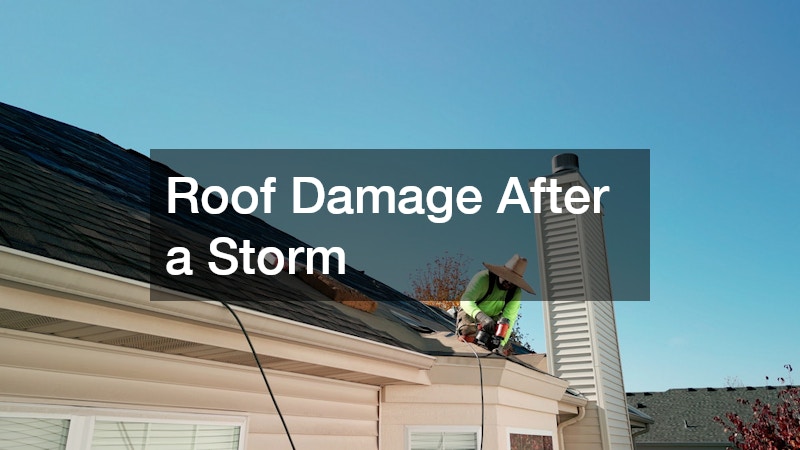
Your roof is your home’s first line of defense, and damage here rarely stays contained to one spot. Missing shingles, granule loss, or a sagging roofline after high winds or hail should never be treated as cosmetic issues. Even small punctures can let water seep into the attic insulation and framing long before you notice a ceiling stain inside.
Reaching out to residential roofing companies right after a storm, rather than waiting for a leak to appear indoors, gives you a much better chance of catching damage while it is still an easy fix. Many roofing companies also work directly with insurance adjusters, which can make the claims process smoother if the damage qualifies for coverage.
- Curling, cracked, or missing shingles
- Granules collecting in gutters or downspouts
- Visible sagging or dipping along the roofline
- Daylight visible through attic boards
- Soft spots when walking on the roof surface
Electrical Panel and Wiring Concerns
Electrical problems are among the least forgiving issues in a home because the danger is often invisible until it is too late. Flickering lights, warm outlets, breakers that trip repeatedly, or a burning smell near the panel are all signals that the wiring needs professional attention immediately. Older homes with outdated panels are especially prone to overloads as modern appliances draw more power than the system was originally designed to handle.
Unlike some home repairs, electrical work is not a place to experiment with DIY fixes found online, since a mistake here can cause a fire long after the homeowner has forgotten about the repair. A licensed electrician can evaluate whether your panel needs a full upgrade or just a few corrected connections, and they will know local code requirements that keep your home safe and insurable.
- Breakers that trip more than once a month
- Outlets or switch plates that feel warm to the touch
- A persistent burning or ozone smell near the panel
- Buzzing sounds coming from outlets or fixtures
- Lights that dim when large appliances turn on
Foundation Cracks and Settling

Foundation problems tend to start small and quiet, which is exactly why they get ignored until they become expensive. Hairline cracks in a basement wall might be normal seasonal movement, but stair-step cracks in brick, doors that suddenly stick, or gaps around window frames suggest the structure itself is shifting. Left unaddressed, foundation issues can affect plumbing lines, load-bearing walls, and even the roofline above.
A structural engineer or foundation repair specialist can determine whether the movement is cosmetic or a sign of deeper soil or drainage issues. Grading problems around the home are a common culprit, and fixing the water flow around the foundation is often just as important as repairing the crack itself.
- Cracks wider than a quarter inch or that grow over time
- Doors and windows that no longer close properly
- Uneven or sloping floors
- Gaps between walls and ceilings
- Water pooling near the foundation after rain
Gutter and Drainage System Failures
Gutters seem like a minor part of the house, but they play an outsized role in protecting the roof, siding, and foundation from water damage. When gutters sag, pull away from the fascia, or overflow during rain, water can pour directly down the side of the house instead of away from it. This kind of overflow is one of the fastest ways to damage siding and erode the soil around your foundation.
Scheduling gutter repairs before the rainy season hits is far cheaper than dealing with basement flooding or rotted fascia boards later. A professional can also check that downspouts are properly extending water at least several feet away from the foundation, which is a detail many homeowners overlook.
- Gutters pulling away from the roofline
- Water overflowing during moderate rain
- Visible rust, cracks, or sagging sections
- Plant growth or debris buildup inside the gutter
- Erosion or mulch displacement below downspouts
Swimming Pool Equipment and Water Chemistry

A backyard pool adds value and enjoyment to a property, but the equipment behind it, pumps, filters, heaters, and chemical balance, requires consistent attention to avoid bigger problems. Cloudy water, unusual odors, or equipment that cycles on and off unexpectedly are early signs that something needs professional evaluation. Ignoring these signals can lead to algae blooms, damaged liners, or motor burnout that costs far more to fix than routine maintenance would have.
A swimming pool service technician can spot equipment wear before it fails completely and can properly balance chemicals in a way that protects both the pool surface and anyone swimming in it. This is especially important for homes with older pool systems, where a small pump issue can quickly turn into a full equipment replacement if left unchecked.
- Water that stays cloudy despite normal chemical treatment
- Pumps or filters making grinding or screeching noises
- Rapid loss of water level beyond normal evaporation
- Visible algae growth on walls or steps
- Heaters that fail to reach or hold set temperatures
Flooring and Carpet Damage
Flooring problems are not always urgent, but certain situations do call for quick professional intervention. Water damage from a leak, deep staining, or padding that has developed mold underneath are all reasons to act quickly rather than waiting for a convenient time. Mold can begin colonizing damp padding within 24 to 48 hours, so any delay increases both the cleanup cost and the health risk to your household. Carpet flooring in particular can trap moisture and allergens that affect indoor air quality if not addressed promptly. Even a small, slow leak beneath carpet flooring can go unnoticed for weeks, quietly breeding mold and mildew while producing a musty odor that only becomes obvious once the problem has spread. Homes with pets, young children, or family members who have asthma or allergies are especially vulnerable to the effects of trapped moisture and contaminants. Beyond carpet, hardwood and laminate floors that buckle, cup, or separate at the seams are signaling moisture intrusion that a professional should assess right away. Waiting can allow warping to spread to unaffected boards or let subfloor rot set in, turning a simple repair into a full replacement. If you notice discoloration, a spongy feel underfoot, or a persistent damp smell, it’s worth calling in a flooring specialist before the damage becomes structural.
Water damage, buckling, and deep stains are signs that flooring needs professional attention right away, since moisture trapped beneath the surface can warp subfloors and encourage mold growth within 24 to 48 hours. Waiting even a few days to address a soaked carpet or a warped hardwood plank often turns a simple repair into a full replacement job. Professional rug cleaning is also worth scheduling regularly, not just after an accident, since deep-set dirt and dust mites accumulate in fibers regardless of how often you vacuum. Most experts recommend a deep cleaning every 12 to 18 months, though homes with pets or allergy sufferers may benefit from twice-a-year service. For high-traffic homes or households with pets, a specialist can extend the life of flooring significantly by removing buildup that ordinary cleaning tools cannot reach. Techniques like hot water extraction or steam cleaning pull out embedded grit, pet dander, and odor-causing bacteria that sit below the visible surface of the fibers. Beyond hygiene, this kind of maintenance protects your investment, since replacing wall-to-wall carpet or refinishing hardwood can cost thousands of dollars. A few hundred dollars spent on periodic professional care is a small price compared to tearing out and replacing flooring that wears out prematurely from neglect.
- Persistent odors that return after cleaning, especially musty smells that signal moisture trapped in padding or subfloor
- Visible mold or mildew spots on carpet, padding, or baseboards — even small dark specks can indicate a larger hidden colony
- Discoloration or staining that does not respond to spot treatment, particularly yellow-brown rings from water damage
- Flooring that feels damp, spongy, or cool to the touch days after a spill or leak
- Buckling, cupping, or warping in hardwood, which often points to moisture intrusion beneath the surface
- Fraying, lifting seams, or buckling carpet edges that create a tripping hazard
- Soft or sagging subfloor spots felt underfoot, a sign structural repair may be needed before new flooring goes down
Exterior Paint and Siding Deterioration
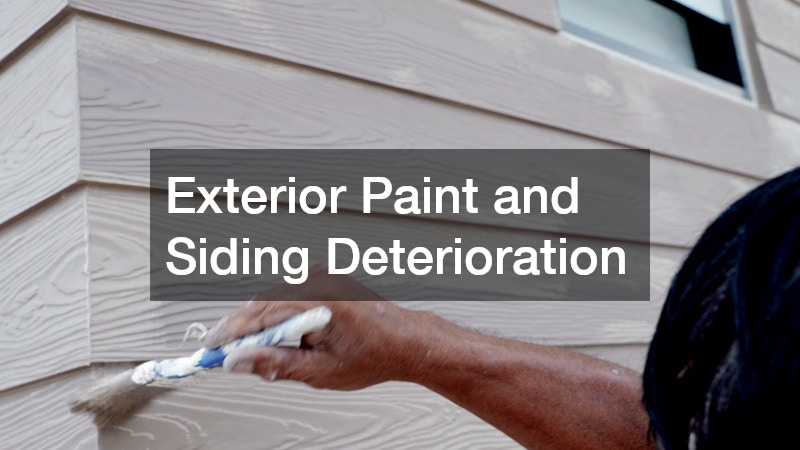
Peeling or bubbling paint is often dismissed as a cosmetic issue, but it can actually be an early warning sign of moisture trapped behind siding or trim. Once water gets past a compromised paint layer, wood siding can rot and metal fixtures can rust, leading to repairs far more expensive than a fresh coat of paint. Homes in humid or coastal climates are especially prone to this kind of deterioration.
A professional painter does more than apply color, they also assess the condition of the surface underneath and can catch soft wood or moisture intrusion before it spreads. Repainting on a reasonable cycle, rather than waiting until damage is visible, is one of the most cost-effective ways to protect a home’s exterior long term.
- Paint that bubbles, cracks, or peels in sheets
- Wood siding that feels soft or spongy when pressed
- Visible rust streaks below metal fixtures
- Chalky residue that rubs off when touched
- Color fading unevenly across sun-exposed walls
Fencing and Outbuilding Structural Issues
Fences and outbuildings take a beating from weather over time, and structural issues here can create both safety hazards and liability concerns, especially if a fence borders a shared property line or a pool area. Leaning posts, rotted bottom rails, or gates that no longer latch securely are signs that repair should happen sooner rather than later. A fence contractor can assess whether the issue is isolated to a few posts or affects the structural integrity of the entire line.
Larger outbuildings carry their own risks, particularly pole barns used for storage, workshops, or livestock. A pole barn contractor can identify issues like shifting support poles, roof truss damage, or water intrusion at the base, all of which can compromise the entire structure if ignored. Because these buildings often house valuable equipment or animals, addressing structural concerns quickly protects more than just the building itself.
- Fence posts that lean or wobble when pushed
- Gates that drag, stick, or fail to latch
- Visible rot at the base of posts or support beams
- Roof sagging or water stains inside a pole barn
- Cracked or shifting concrete footings
Yard Drainage and Landscape Grading
The land immediately surrounding your home does more work than most people realize, directing water away from the foundation and keeping soil stable during heavy rain. Standing water in the yard, soil erosion near walkways, or grading that slopes toward the house instead of away from it are signs that landscaping needs professional attention. These issues often go unnoticed until a basement leak or foundation crack forces the connection to become obvious.
A landscaping company can regrade problem areas, install drainage solutions like French drains, and recommend plantings that help stabilize soil on slopes prone to erosion. Addressing yard drainage early is a relatively small investment compared to the foundation or basement repairs that can result from years of water pooling in the wrong place.
- Standing water that lingers more than a day after rain
- Soil washing away near downspouts or walkways
- Grading that slopes toward the house
- Bare patches where grass will not grow due to erosion
- Mulch or landscaping beds that shift after storms
Recognizing which problems demand immediate professional attention is one of the most valuable skills a homeowner can develop, and it starts with paying attention to the small signs before they become expensive emergencies. Whether it is water intrusion, electrical wiring, or a structure showing signs of stress, the cost of a professional inspection today is almost always less than the cost of repair after neglect. Keep a running list of the warning signs covered here, walk your property with fresh eyes every season, and do not hesitate to make the call when something looks or feels wrong. Your home will reward the attention with fewer surprises and a longer, safer lifespan for every system that keeps it running.
