

Protecting a home is one of the most important long-term responsibilities a property owner has. A house is not just a place to live—it is also a major financial asset that requires consistent care, planning, and informed decision-making. When maintenance is delayed or overlooked, small issues can quickly turn into expensive repairs that reduce both comfort and property value.
The most effective way to preserve a home is to approach maintenance proactively rather than reactively. This means understanding which systems and structures are most vulnerable, knowing when to bring in trained professionals, and investing in improvements that strengthen the property over time. From exterior protection to internal systems, every part of a home contributes to its overall stability.
This guide breaks down the most important service areas homeowners should prioritize. Each section focuses on practical steps, warning signs, and professional support that can help reduce long-term costs and protect your investment.
Identifying Early Warning Signs Around the Structure
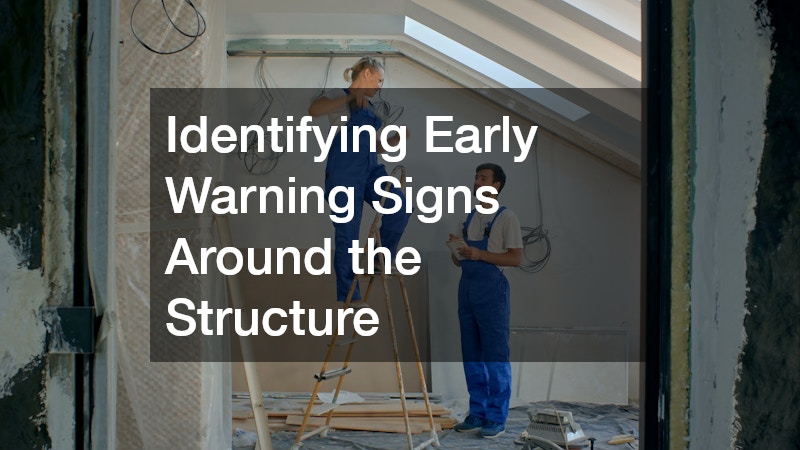
One of the most overlooked aspects of home protection is early detection. Many costly repairs begin as small, unnoticed issues that gradually worsen. Regular inspection of the home’s exterior and surrounding surfaces can prevent structural deterioration and preserve long-term value. Even subtle changes—like a slightly uneven walkway or faint water staining—can signal deeper underlying problems that are not immediately visible. Homeowners who consistently observe and document these changes are often able to intervene before damage spreads to more expensive structural components.
Key inspection strategies:
- Walk around the property at least twice a year to look for visible damage
- Check for loose materials, cracking surfaces, or uneven settling
- Pay attention to drainage issues after heavy rainfall
- Look for discoloration or soft spots on exterior surfaces
- Inspect caulking and seals around windows and exterior joints
- Watch for small gaps forming between structural components over time
- Note any new pest activity near foundations or wooden structures
It is also helpful to inspect the home at different times of day, since lighting changes can reveal imperfections that might otherwise go unnoticed. Early morning or late afternoon light often highlights surface inconsistencies, especially along siding, foundations, and roofing edges. In addition, keeping an eye on seasonal changes—such as frost heave in winter or soil shifting in spring—can provide early clues about structural stress.
Working with a roofer ensures that small roof issues—such as missing shingles or minor leaks—are addressed before they escalate into interior water damage. Roof inspections are especially important after storms or seasonal weather changes. Regular professional assessments can also identify hidden vulnerabilities, such as weakened flashing or deteriorating underlayment, which are not easily visible from the ground but can significantly impact the integrity of the entire structure.
A qualified asphalt contractor can help maintain driveways and paved surfaces, preventing cracks and erosion that could pose safety hazards or lead to more expensive reconstruction later. Proper surface maintenance also improves curb appeal and reduces long-term replacement costs. In many cases, early sealing and patching performed by an asphalt contractor can extend the life of paved areas by several years, delaying the need for full replacement and helping homeowners better manage long-term maintenance budgets.
Strengthening Mechanical Systems for Long-Term Reliability
Mechanical systems are the backbone of a comfortable home. Heating, ventilation, and air systems operate continuously and often go unnoticed until a failure occurs. Preventive care is essential to avoid sudden breakdowns and costly emergency repairs. When these systems are neglected, efficiency declines gradually, energy bills rise, and minor issues can escalate into full system replacements that are far more expensive than routine maintenance.
Important maintenance steps include:
- Scheduling seasonal system inspections
- Replace filters regularly to maintain airflow efficiency
- Monitoring unusual noises or performance drops
- Keeping service records for all maintenance work
- Checking thermostat accuracy and calibration
- Ensuring vents and returns are not blocked by furniture or debris
- Cleaning around outdoor condenser units to maintain proper airflow
Consistent attention to these steps helps homeowners maintain stable indoor temperatures and reduces unnecessary strain on equipment. Even small improvements in airflow or filtration can significantly extend system performance over time.
Professional HVAC contractors play a key role in ensuring systems run efficiently year-round. Their expertise helps identify wear-and-tear issues before they become system-wide failures. They can also evaluate ductwork efficiency, detect hidden leaks, and recommend upgrades that improve overall system performance rather than just addressing surface-level symptoms.
Timely HVAC repairs are equally important. Addressing minor malfunctions early can prevent compressor damage, airflow restrictions, or complete system shutdowns. Regular maintenance also improves energy efficiency, reducing monthly utility costs while extending equipment lifespan. In many cases, prompt repairs also help maintain manufacturer warranties, which can otherwise be voided if neglect is found to be the cause of system failure.
Preserving Exterior Surfaces Against Environmental Damage
The exterior of a home is constantly exposed to weather, UV rays, moisture, and seasonal temperature changes. Over time, these elements can weaken protective materials and reduce structural integrity if not properly maintained. Even small imperfections in exterior finishes can allow water infiltration, which may lead to hidden rot, mold growth, or insulation damage inside wall cavities. Because exterior deterioration often happens gradually, homeowners may not notice the severity of the issue until repairs become significantly more expensive.
To protect exterior surfaces, homeowners should:
- Inspect siding and paint for fading, cracking, or bubbling
- Clean surfaces regularly to remove dirt and mildew buildup
- Seal gaps where moisture could enter
- Monitor for signs of pest intrusion
- Check for warped or loose panels after storms or high winds
- Reapply protective sealants as recommended by manufacturers
- Trim vegetation away from exterior walls to reduce moisture retention
Routine maintenance not only improves appearance but also extends the lifespan of exterior materials. Paying attention to small changes in texture or color can help identify early warning signs of deeper structural issues before they spread.
Painting contractors provide essential protection by applying durable coatings that shield surfaces from moisture and environmental wear. Fresh, high-quality paint not only improves appearance but also acts as a protective barrier. In addition, professional application ensures even coverage, proper surface preparation, and the use of materials suited to local climate conditions, all of which significantly increase durability compared to DIY applications.
Proper siding installation is another critical factor in long-term durability. Well-installed siding improves insulation, resists weather damage, and reduces maintenance needs. It also improves energy efficiency by minimizing air leaks. When installed correctly, siding systems create a continuous protective envelope around the home, helping regulate indoor temperatures and reducing long-term heating and cooling costs.
Improving Entry Points for Efficiency and Security
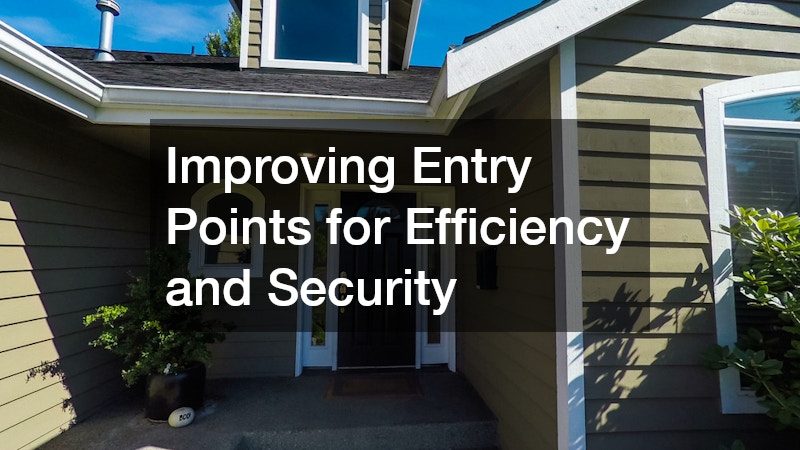
Entry points are among the most frequently used and most vulnerable areas of any home. Doors, frames, and access systems must be properly maintained to ensure both safety and energy efficiency. Because these areas serve as primary barriers between the interior and exterior environment, even minor weaknesses can lead to drafts, energy loss, and reduced security. Over time, worn seals, misaligned frames, or outdated materials can significantly impact both comfort and utility costs.
Homeowners should focus on:
- Checking for drafts around doors and windows
- Ensuring locks and hinges function properly
- Replacing outdated or inefficient entry systems
- Upgrading materials for improved durability
- Inspecting weatherstripping for wear or compression
- Confirming that door frames remain square and properly aligned
- Testing security features such as deadbolts and smart locking systems
Small adjustments, such as replacing worn seals or tightening hardware, can often produce immediate improvements in energy efficiency and usability. These changes also help reduce strain on heating and cooling systems by minimizing unwanted air exchange.
Working with reputable door companies helps ensure that entry systems are both secure and energy efficient. Modern doors are designed to reduce air leakage while enhancing home safety and curb appeal. Many newer models also incorporate advanced insulation materials and reinforced cores that improve resistance to both weather and forced entry.
Planning upgrades as part of larger home renovations allows homeowners to improve multiple areas at once. Coordinating entry improvements with other projects can reduce labor costs and create a more cohesive design throughout the property. It also improves scheduling efficiency, minimizing disruption while ensuring that finishes, trims, and structural updates align seamlessly across different parts of the home.
Preventing Plumbing Failures Before They Escalate
Plumbing systems are often hidden from view, making them easy to ignore until a problem arises. However, small leaks or inefficiencies can quickly escalate into major water damage if left unaddressed. Water-related issues are especially costly because they often affect multiple areas of the home at once, including flooring, drywall, insulation, and even structural framing. What begins as a slow drip can eventually lead to mold growth, wood rot, and significant repair expenses if left unchecked.
Preventive steps include:
- Checking water pressure regularly
- Inspecting exposed pipes for corrosion or leaks
- Monitoring water bills for unexplained increases
- Testing hot water availability and consistency
- Looking under sinks and around appliances for moisture buildup
- Listening for unusual sounds in pipes, such as banging or rattling
- Ensuring drains are flowing freely without recurring clogs
These small but consistent checks help homeowners identify early warning signs before they become emergencies. Paying attention to water pressure fluctuations, in particular, can reveal hidden issues within the plumbing system that may not yet be visible.
Routine water heater service is essential to maintaining a consistent hot water supply and preventing sediment buildup that can reduce efficiency or cause system failure. Regular flushing and inspection help extend equipment life and reduce energy consumption. It also improves heating performance, ensuring that the system does not overwork itself to meet household demand, which can lead to premature breakdown.
Plumbing updates should also be considered during broader home renovations. This allows homeowners to replace outdated systems, improve efficiency, and reduce the risk of future emergencies. Coordinating plumbing upgrades with other renovation work can also reduce labor costs and minimize disruption, since walls, flooring, or fixtures may already be open for access during larger construction projects.
Enhancing Interior Surfaces for Durability and Comfort
Interior spaces are constantly used, making them prone to wear over time. Floors, walls, and high-traffic areas require thoughtful material selection and professional installation to ensure long-term performance.
Best practices for interior maintenance:
- Choose durable materials suited for each room’s usage level
- Address scratches, stains, and wear early
- Use protective finishes where needed
- Maintain consistent cleaning routines
Flooring installation contractors provide expertise in selecting and installing materials that balance durability, comfort, and style. Proper installation reduces issues such as uneven surfaces, warping, or premature wear.
Painting contractors also contribute to interior protection by applying high-quality finishes that resist scuffs and moisture. Regular repainting helps maintain a fresh appearance while protecting underlying surfaces from damage.
Building a Reliable Network of Skilled Professionals
One of the most effective ways to protect a home is to establish relationships with trusted professionals before emergencies occur. Having reliable experts available reduces response time and improves repair quality.
Homeowners should:
- Research licensed and insured professionals in advance
- Keep a list of preferred service providers
- Request detailed estimates before approving work
- Check reviews and past project examples
Maintaining connections with specialists ensures faster response times during urgent situations and helps homeowners make informed decisions under pressure. It also encourages consistent maintenance rather than reactive repairs.
Making Smart Investment Decisions for Long-Term Value
Not all home improvements offer the same return on investment. Prioritizing projects that enhance safety, efficiency, and durability ensures that resources are used effectively.
Key decision-making strategies:
- Focus on essential repairs before cosmetic upgrades
- Evaluate long-term energy savings when considering improvements
- Compare multiple contractor estimates before committing
- Consider neighborhood property values when planning upgrades
Investing in the right projects can significantly increase resale value while reducing ongoing maintenance costs. A well-maintained home not only performs better but also retains value more effectively over time.
Protecting a home requires a combination of consistent maintenance, informed decision-making, and collaboration with skilled professionals. By addressing structural vulnerabilities, maintaining mechanical systems, and improving both interior and exterior conditions, homeowners can significantly extend the lifespan and value of their property.
A proactive approach helps prevent costly emergencies and ensures that each part of the home functions efficiently. Over time, these efforts create a safer, more comfortable living environment while preserving one of the most important investments a person can make.
