

Emodeling a home is a profound journey of transformation. It is an opportunity to breathe new life into an aging structure, align your living spaces with your family’s evolving lifestyle, and substantially build equity in your largest financial asset. The promise of a modern kitchen, a spa-like master bathroom, or an open-concept living area is inherently exciting. However, the path from an initial conceptual sketch to a beautifully finished space is often paved with logistical hurdles, unexpected expenses, and stressful construction delays.
A successful home remodel requires more than just an eye for design and a selection of premium materials; it demands rigorous project management, a precise order of operations, and a deep appreciation for the invisible infrastructure hidden within your walls. A house is a complex, interconnected ecosystem where structural integrity, utility lines, and environmental conditions must exist in perfect equilibrium. Altering one component without assessing its impact on the rest of the system is the fastest way to turn a dream renovation into an expensive nightmare. This comprehensive guide outlines essential tips, strategic tricks, and industry best practices to help you navigate a complete home renovation efficiently, safely, and within budget.
Preparing Outdoor Areas Before Starting Renovations

When homeowners plan an extensive remodel, their focus is almost universally directed inward toward drywall, flooring, and cabinetry. However, a major construction project places an immense amount of stress on the exterior of your property. Heavy delivery trucks, concrete mixers, dumpster drop-offs, and constant foot traffic from sub-contractors can rapidly turn a manicured lawn into a compacted mud pit, destroy underground drainage lines, and shatter low-hanging tree canopies. Proper staging of your property’s exterior is the critical first step toward a smooth building experience.
Before the first tool is unboxed or a single internal wall is demolished, you must establish clear staging zones for materials, waste management, and heavy equipment tracking. If your lot features mature vegetation, large overgrown branches can sever overhead power lines when delivery trucks lift their beds, or invasive root systems can block access routes for excavation equipment. Engaging a local tree service to perform canopy elevation, prune hazardous overhanging limbs, and clear out dead brush protects both the arbor assets of your property and the safety of the working crew, ensuring that your renovation can proceed without unexpected outdoor infrastructure accidents.
Planning for Reliable Heating During Major Projects
If you are undertaking a major remodeling project during the cooler months of the year, maintaining a consistent, manageable indoor temperature is vital for both human comfort and material preservation. Construction materials like drywall mud, wood flooring, paint, and tile adhesives require stable thermal conditions to dry, cure, and acclimatize correctly; if a house drops below freezing during a renovation, paint will peel, joint compounds will crack, and expensive hardwood planks can warp permanently due to extreme humidity shifts.
For homes utilizing traditional hydronic boilers or liquid-fueled furnaces, keeping your storage tanks full during construction is an operational necessity. Coordinating a consistent heating oil delivery service guarantees that your home’s primary heating source remains uninterrupted throughout the dust and chaos of a renovation. A reliable delivery schedule ensures that even if walls are temporarily opened up or insulation is stripped away for structural updates, the home’s mechanical core can maintain the steady, robust ambient heat required to protect your new building materials and keep your carpentry crew working efficiently through record-breaking cold snaps.
Addressing Pest Problems Before Construction Begins

One of the most disheartening experiences a property owner can face is investing thousands of dollars in premium, high-end interior finishes only to discover later that the underlying structure is compromised by an active pest infestation. Wood-destroying organisms thrive in dark, unventilated cavities behind old drywall and beneath subflooring. If you attach brand-new custom cabinetry or premium shiplap to a structural frame that is quietly being eaten away from the inside out, your cosmetic investments will eventually sag, warp, and fail.
Before a single new piece of lumber is nailed into place or any insulation is replaced, a forensic pest audit is mandatory. Scheduling a comprehensive inspection and establishing advanced termite control ensures that your home’s foundation and structural skeleton are entirely sound before reconstruction begins. If an active subterranean colony is discovered, it must be completely eradicated using targeted baiting or chemical barriers, and any hollowed-out studs must be structurally reinforced or replaced. Addressing these biological liabilities early provides an essential layer of protection for your remodeling budget, guaranteeing your new spaces are built upon a clean, permanent foundation.
Upgrading Electrical Systems for Modern Living Needs
The electrical demands of the contemporary household have evolved dramatically over the last few decades. Older homes were engineered to power a few light fixtures, a refrigerator, and a television; today, a single family requires stable, high-capacity power for home automation grids, electric vehicle charging stations, high-wattage kitchen appliances, and extensive home office setups. Opening up your walls during a remodel provides the perfect opportunity to assess whether your home’s central nervous system can safely handle these modern electrical loads.
If your home still operates on an outdated fuse box or a standard 60-amp to 100-amp service panel, your system will likely suffer from chronic breaker trips, flickering lights, and overheating circuits as you introduce modern amenities. Prioritizing comprehensive electrical panel repairs or upgrading to a modern 200-amp service panel is a vital safety step that boosts your home’s infrastructure resilience. A certified electrician can replace degraded bus bars, install dedicated circuits for high-draw appliances like induction cooktops and hot tubs, and ensure your entire electrical panel meets strict modern safety codes, eliminating hidden fire hazards and preparing your home for future technological expansions.
Inspecting Plumbing Systems Before Opening Walls

Kitchen and bathroom renovations consistently rank as the most popular home remodeling projects, offering some of the highest returns on investment and the most dramatic improvements to daily comfort. However, the beauty of a luxury waterfall shower or a custom stone sink is entirely dependent on the integrity of the waste and supply lines hidden behind the tile work. A tiny pinhole leak or a slowly corroded joint can quietly leak water over months, destroying custom subflooring, rotting timber studs, and fostering toxic black mold before it is ever detected.
Before your finish crew closes up open wall frames with new drywall or backing boards, having local plumbers perform a complete diagnostic inspection of your exposed plumbing lines is a non-negotiable insurance policy for your home. Local technicians can pressure-test your supply lines, inspect older copper or galvanized pipes for signs of systemic corrosion, and verify that all drain lines are pitched correctly for gravity-fed waste removal. Upgrading older, brittle water pipes to flexible, durable PEX tubing while the walls are open saves you from the devastating heartbreak and massive expense of having to tear open a brand-new tile wall to fix a hidden leak six months after the project finishes.
Coordinating Utility Work With Experienced Professionals
A home remodel that involves altering your floor plan, relocating appliances, or adding structural square footage requires deep coordination between various mechanical trades. Moving a kitchen sink across a room or relocating a laundry suite from the basement to the second floor is not merely a cosmetic choice; it is a major engineering task that alters the pressure dynamics, venting configurations, and drainage capacity of your entire household.
Executing these complex layout reconfigurations legally and safely demands the guidance of an established plumbing company. Professional plumbing engineers can perform advanced calculations to ensure your new fixtures are properly vented to prevent dangerous sewer gases from entering your living spaces, and that main stack connections can handle the redistributed wastewater volume. They can also coordinate with your excavation and framing teams to ensure that lines are buried below local frost depths and routed through joists without compromising the structural load-bearing capacity of your home’s architectural skeleton, guaranteeing long-term mechanical reliability.
Improving Exterior Surfaces During Remodeling Projects
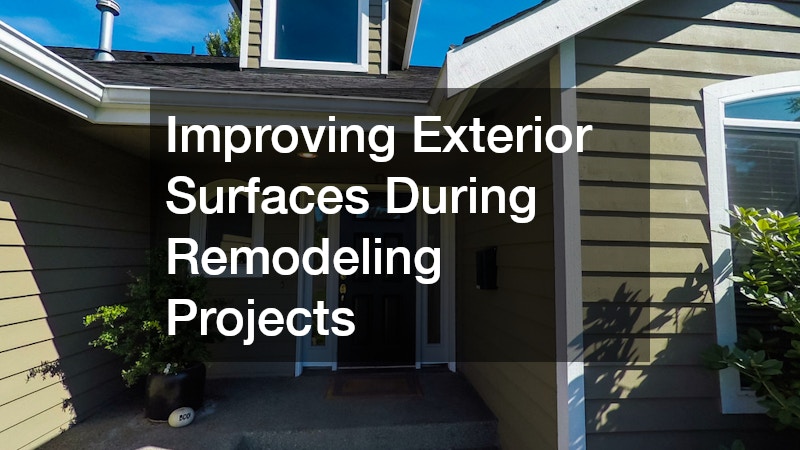
A comprehensive home renovation should seamlessly blend interior comfort with exterior aesthetic appeal and accessibility. As construction vehicles roll across your property over weeks or months, your driveway, parking pads, and walkways will inevitably bear the scars of heavy usage. Integrating an upgrade to your home’s hardscape surfaces into your master remodeling plan is an excellent way to lock in a massive boost to your property’s curb appeal and long-term value.
Once the heavy utility trucks and dumpsters have permanently exited your property near the end of construction, collaborating with a premier paving company allows you to restore and elevate your exterior surfaces. Whether your estate requires a complete asphalt resurfacing, a wide-plank concrete approach, or a beautifully bordered stone paver driveway, professional grade work is essential. A specialized paving contractor ensures proper sub-base compaction and precise grading to direct rainwater away from your home’s foundation, creating a smooth, striking visual introduction to your newly remodeled home.
Evaluating Roof Conditions Before Interior Renovations
One of the most tragic and easily avoidable remodeling blunders is completing a luxury interior renovation only to have a sudden rainstorm destroy your new drywall, premium insulation, and hardwood flooring through a leaky roof. Your roof is your home’s absolute primary shield against the environment; if its integrity is compromised, every single dollar you spend updating the living spaces beneath it is placed at immediate, high-risk vulnerability.
Before you invest in custom interior finishes, it is vital to have a reputable roofing company conduct a comprehensive inspection of your home’s overhead envelope. Roofers can evaluate the remaining operational lifespan of your shingles or metal panels, check the pliability of the rubber boots surrounding plumbing vent stacks, and ensure that chimney flashing is securely sealed. If your roof is nearing the end of its operational life, replacing it or performing necessary structural repairs before you begin hanging interior drywall provides ironclad peace of mind that your interior investments are safe from water damage.
Designing Spaces Around Long-Term Goals and Functionality
When designing a home remodel, it is remarkably easy to get caught up in fleeting interior design trends on social media. However, paint colors, hardware styles, and decorative fixtures are easily changed; the underlying architectural footprint and functionality of your space are permanent. A truly successful remodel requires you to look ten to twenty years into the future, anticipating how your family’s physical needs, mobility requirements, and daily routines will change over time.
If you are undertaking a substantial structural renovation or an addition, partnering with a bespoke custom home builder provides you with access to long-term architectural foresight. A custom builder can help you design spaces that embrace universal design principles—such as wider hallways, zero-threshold entryways, main-floor master suites, and multi-functional spaces that can transition from a children’s playroom to a remote home office or a guest apartment. Designing with an emphasis on long-term functionality ensures your home remains a safe, comfortable, and highly adaptable sanctuary for your family through every stage of life.
Ensuring Safe and Efficient Electrical Installations
The final phase of any electrical remodel involves the meticulous execution of the finish trim work—the actual wiring of smart switches, luxury light fixtures, integrated USB-C outlets, and ambient LED tracks. Because electrical currents are invisible and highly volatile, precision craftsmanship during this stage is the difference between an incredibly convenient modern living space and a severe shock or fire hazard.
To guarantee that your customized lighting plans and automated appliances operate flawlessly and safely, you must strictly rely on certified home wiring services for all terminal connections. Professional electricians ensure that all junction boxes are properly grounded, that dedicated Arc-Fault Circuit Interrupters (AFCIs) are installed to protect bedrooms from dangerous electrical sparking, and that code-compliant wiring runs smoothly through wall framing without being pinched or compromised. Professional wiring guarantees that your modern electronic features perform with peak efficiency, protecting your delicate devices from surges and securing your family’s safety.
Successfully remodeling a home is a rewarding journey that blends creative design vision with rigorous technical discipline. By moving away from a purely reactive, cosmetic mindset and prioritizing a systematic order of operations, you transform a potentially chaotic project into a structured, manageable achievement.
The secret to an enduring, stress-free renovation lies in fortifying the invisible bones of your home before you apply the superficial aesthetic layers. By taking the time to clear your outdoor spaces with a local tree service, protecting your structural sheathing through advanced termite control, upgrading your core panels through professional electrical panel repairs, and securing your overhead boundaries with a premier roofing company, you build a fortress of mechanical and structural protection around your capital investments. When you eliminate daily operational friction and back your design with the technical skill of certified tradesmen, your home ceases to be just a house; it becomes a masterfully engineered, safe, and beautiful sanctuary that supports your family’s lifestyle and inspires deep pride for generations to come. Take control of your remodeling roadmap today, prioritize infrastructure first, and enjoy the lasting comfort of a space built to stand the test of time.
