
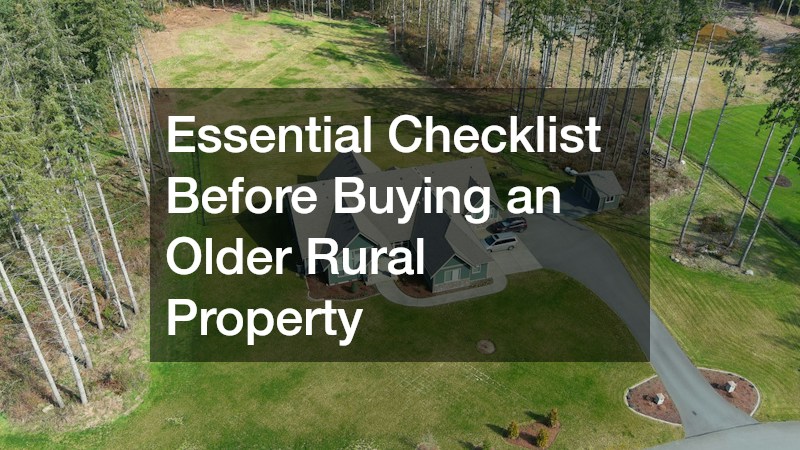
The romantic pull of rural property ownership is undeniable. Rolling pastures, historic farmhouses with wrap-around porches, and the quiet detachment from suburban congestion draw thousands of prospective buyers away from city centers each year. Yet older country properties carry layers of mechanical, environmental, and structural complexity that rarely surface during a casual weekend walk-through.
Standard home inspections, designed around modern municipal building codes and suburban tract developments, routinely miss the critical infrastructure challenges inherent to acreage. When acquiring a rural homestead that has stood for decades, due diligence goes far beyond checking water pressure and testing electrical outlets. To avoid costly surprises, you need a methodical framework to evaluate everything from boundary lines and subsurface liabilities to outbuildings and site logistics before making a binding offer.
1. Boundary Verification and Legal Parcel Assessments
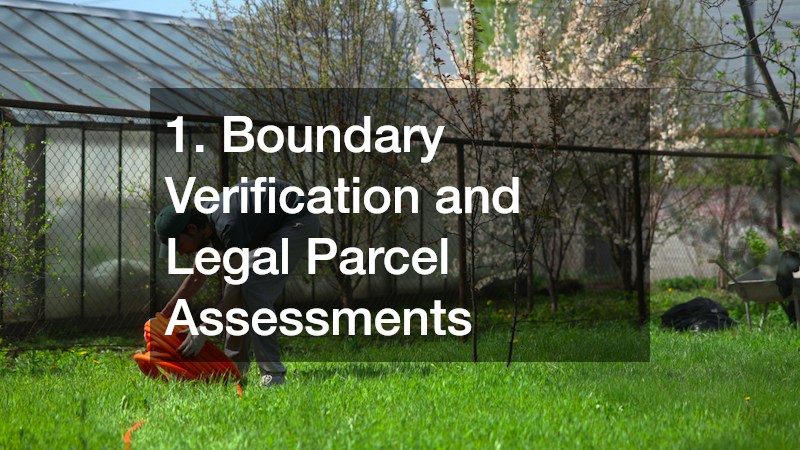
One of the most persistent misconceptions among acreage buyers is the assumption that physical boundary markers match legal property descriptions. Over decades, rural fence lines wander. Neighbors build run-in sheds, access roads drift across section corners, and historic hand-me-down agreements between previous owners often fail to appear in official title records.
Identifying Hidden Encroachments, Fence Lines, and Easement Rights
When walking an older property, examine where active land use diverges from the physical perimeter. A neighbor’s cattle fence may stand twenty feet inside your putative boundary, or an informal timber road may cut across the back parcel. These situations can ripen into adverse possession claims or prescriptive easements if left unaddressed.
- Examine fence construction: Barbed wire or woven fencing nailed into mature trees rather than standalone fence posts often indicates an improvised fence line rather than a true property line.
- Review deed easements: Pay close attention to deed restrictions, utility right-of-ways, agricultural access rights, and timber or mineral easements that could allow third parties onto your land.
- Confirm road maintenance agreements: Private gravel roads serving multiple parcels require clear, legally recorded maintenance agreements to determine who pays for grading, gravel replenishment, and culvert replacement.
Resolving Subsurface Utility Locations and Legal Boundary Descriptions
Before you finalize your purchase agreement, commission a comprehensive boundary and pin-location survey. Decades-old legal descriptions frequently reference long-lost landmarks like ancient oak trees, stone piles, or creek bends that have migrated over time.
Working with a local land surveyor is the most reliable way to reconcile ambiguous metes-and-bounds deeds with modern satellite coordinates. These professionals pinpoint true corners, mark boundaries clearly with rebar and caps, and identify unrecorded access paths. An updated plat map also establishes exact acreage—critical for properties taxed under agricultural exemptions, where falling even a fraction of an acre below a statutory threshold can trigger substantial tax recalculations.
2. Assessing Environmental Hazards and Subsurface Liabilities
Rural parcels historically operated as self-contained operational hubs. Generations of previous owners may have heated their homes with legacy fuel systems, repaired agricultural machinery on-site, or managed private waste disposal before modern environmental oversight.
Uncovering Soil Contamination and Decommissioned Fuel Storage Systems
Prior to widespread propane adoption and electric heat pump installations, heating oil was the standard fuel source for older rural homes. Many of these properties relied on bare steel storage tanks buried near the foundation. Over forty to fifty years, condensation and exterior soil moisture rust these steel shells from both the inside and outside, eventually leading to fuel seepage into surrounding topsoil and groundwater.
- Look for telltale fill pipes and copper supply lines protruding through stone basement walls or hidden near perimeter foundation shrubbery.
- Review historical property records, heating invoices, and permits to verify when modern heating systems were installed and what happened to earlier equipment.
- Check for depressed patches of ground or dead vegetation near the foundation, which can signal subsurface soil contamination.
When an inactive or unregistered fuel reservoir is identified, the seller should handle professional underground oil tank removal before closing. Removing these tanks requires specialized soil testing around the excavation basin, soil remediation if leaks have occurred, and formal closure documentation filed with state environmental agencies. Inheriting an undocumented leaking tank can jeopardize your ability to secure standard homeowner insurance and saddle you with catastrophic cleanup costs.
Testing Off-Grid Water Purity and Septic Field Drainage Capacity
Private well and septic systems represent your life-support infrastructure in a rural setting. Replacing both simultaneously can easily cost tens of thousands of dollars.
- Private well evaluation: Run a complete potability panel testing for coliform bacteria, nitrates from agricultural fertilizers, heavy metals, volatile organic compounds, and radon. Check the well’s sustained flow rate over a continuous four-hour draw to ensure it delivers at least 3 to 5 gallons per minute for standard domestic use.
- Septic drain field inspection: Contract a licensed septic specialist to pump the tank, assess the structural integrity of the baffles, and run a hydraulic load test on the leach lines to ensure the soil maintains adequate percolation.
3. Evaluating Structural Integrity from Roof to Foundation

Older country homes feature exceptional craftsmanship, old-growth timber framing, and unique historical character. However, time and deferred maintenance take a heavy toll on weather-facing envelopes and structural masonry.
Inspecting Attic Framework, Flashing, and Weather-Worn Roof Coverings
A roof on an acreage takes the full brunt of open-sky weather, including high wind shear, driving rain, and hail without the windbreaks common to dense suburban neighborhoods.
- Look for framing deflection: Step into the attic to check rafters and purlins. Look for sags, historic water staining, localized insect rot from powderpost beetles, and inadequate collar ties.
- Inspect roof penetrations: Pay special attention to chimney step flashing, plumbing vent boots, and dormer sidewalls, where wind-driven moisture consistently penetrates older homes.
- Evaluate ventilation balance: Many older attics lack adequate soffit-to-ridge airflow, which bakes asphalt shingles from underneath during summer and generates destructive winter ice dams.
Having a qualified roofer perform a comprehensive evaluation will tell you whether you are facing a minor flashing reseal or an immediate strip-and-replace project. A seasoned professional can also assess whether the existing rafters can support modern architectural shingles or metal standing-seam roofing, which are substantially heavier than historic cedar shakes or early corrugated panels.
Restoring Aging Masonry Joints, Chimneys, and Stone Foundations
Stone and brick construction gives older farmhouses their enduring presence, but mortar does not last forever. Early twentieth-century and nineteenth-century structures relied on lime-based mortar, which is softer and more breathable than modern Portland cement.
- Inspect mortar condition: Scrape the exterior joints with a dull screwdriver. If the mortar powders and falls away easily, the joints are failing and permitting water to penetrate the interior wall cavity.
- Check chimney stability: Look up the chimney line for signs of leaning, missing caps, spalling bricks, or exterior efflorescence (white mineral salts left behind by evaporating moisture).
- Assess stone foundation walls: Check fieldstone foundation walls in cellars for loose stones, bowing sections, or persistent water seepage through mortar seams.
When mortar degradation is evident, engaging an experienced local tuckpointing service is critical. Historic brick and fieldstone require specialized repointing using lime-rich mortar compounds matched to the original materials. Using modern, hard Portland cement can trap moisture inside the softer historic bricks, causing them to crack, spall, and fracture during freezing temperatures.
4. Defensible Space and Land Stewardship Planning
Acreage ownership brings direct responsibility for the surrounding landscape. What looks like a picturesque, untamed forest can quickly turn into a significant hazard if natural vegetation encroaches too closely on residential living zones.
Creating Fire-Safe Zones Around Structures and Access Lanes
Properties surrounded by brush, dry grasslands, or dense timber stands require a deliberate approach to environmental safety. Mitigating fire risk means establishing and maintaining distinct ignition-reduction zones around the main residence and any supporting outbuildings.
- Zone 1 (0 to 5 feet): Maintain a non-combustible perimeter directly against the foundation using gravel, crushed stone, or concrete pavers instead of combustible wood mulch. Keep gutters clear of dry pine needles and leaf litter.
- Zone 2 (5 to 30 feet): Keep grasses mowed low, prune tree canopies at least six to ten feet from the ground, and ensure tree canopies maintain an open space of at least eighteen feet between crowns.
- Zone 3 (30 to 100 feet): Thin out dead vegetation, remove ladder fuels (understory brush that allows surface fires to climb into the upper canopy), and maintain clear spacing between woodpiles and outbuildings.
Proactive wildfire mitigation protects your home and keeps access routes open for emergency vehicles. Driveways must provide at least fourteen feet of vertical overhead clearance and twelve feet of horizontal road width so fire response engines can safely enter and turn around.
Mitigating Hazard Timber and Overhead Canopy Encroachment
Mature shade trees add beauty to an older homesite, but overgrown, diseased, or dying timber poses severe threats during severe windstorms, blizzards, and heavy ice events.
- Inspect mature trees within falling distance of the home, utility drops, or driveway routes for signs of internal rot, shelf fungus, trunk cavities, or split branch unions.
- Watch for root damage caused by historic trenching, driveway grading, or soil compaction from heavy farm machinery.
- Target dead ash, hemlock, or pine stands that have succumbed to boring beetles or invasive blights, as they can fail without warning.
Managing these overhead threats requires professional tree removal to fell dead timber, clear hanging limbs over roofs, and eliminate root-compromised specimens before they come down on living quarters or bring down overhead electrical lines.
5. Wildlife Management and Outbuilding Infrastructure
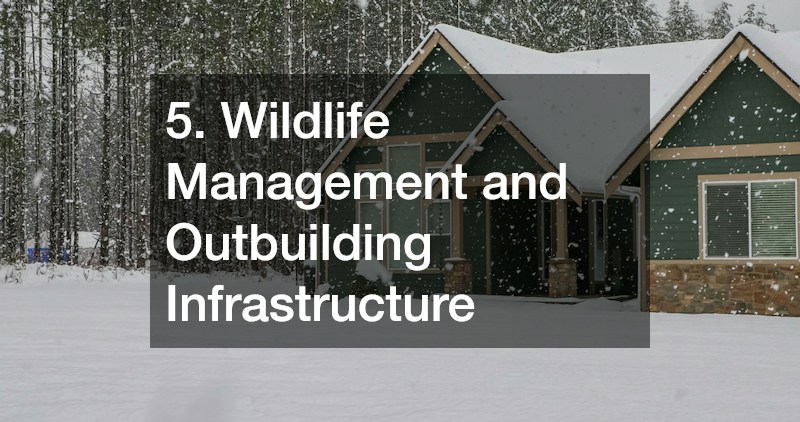
The wildlife dynamics of an acreage are far removed from suburban pest control. Large rural parcels often interface with wild ecosystems and invasive populations that can destroy pastures, compromise outbuildings, and undermine land usability.
Securing Pastures and Sensitive Soil from Destructive Wildlife
Invasive species, particularly feral swine, pose severe threats to rural property owners across many regions. A sounder of feral hogs can destroy manicured yards, turn lush pastures into rutted moonscapes overnight, ruin agricultural drainage systems, and contaminate natural pond basins with parasites.
Attempting to control an established feral swine issue with simple hunting or consumer traps is rarely effective. Partnering with an experienced hog trap company allows you to deploy smart, remote-monitored corrals capable of capturing entire sounders at once. Eliminating the whole group prevents educated survivors from avoiding traps and continuing to damage your acreage.
Auditing Existing Barns and Planning Modular Storage Solutions
Historic timber-frame barns, machine sheds, and pole structures are valuable assets, but they demand a rigorous structural inspection before you assume they can safely store modern tractors, vehicles, and tools.
If existing structures prove too costly to restore, versatile hoop buildings offer durable, cost-effective options for immediate equipment storage, hay protection, livestock run-ins, and seasonal workshops. These tensioned fabric structures go up quickly without extensive concrete foundation work, keeping your capital free for primary residence renovations while protecting valuable equipment from sun, rain, and snow.
6. Move-In Logistics and Initial Site Clearing
The physical transition to a rural home presents logistical hurdles that never occur during an urban or suburban move. Navigating narrow country roads, clearing accumulated farm scrap, and coordinating heavy transport require planning.
Coordinating Staged Waste Disposal for Historic Lot Debris
Decades of rural habitation often leave behind substantial waste piles hidden behind tree lines, inside old barns, and across abandoned machinery yards. Former owners frequently kept scrap iron, rotted lumber, worn tires, and discarded building supplies on-site for potential reuse.
Arranging a large-capacity dumpster rental provides a centralized, heavy-duty staging point on-site during your initial clearing phase. Having a roll-off container delivered directly to the property allows you to clear out decades of accumulated detritus quickly, preventing project debris from cluttering work areas or creating safety hazards around your home and pastures.
Managing Access Routes for Long-Haul Transport Vehicles
Moving heavy household furnishings onto an acreage introduces unique challenges regarding road geometry, soil firmness, and bridge weight capacities. Standard highway transport trailers are ill-equipped for low-clearance, unpaved rural terrain.
Hiring a professional moving company experienced with acreage and rural transfers ensures your belongings arrive without roadside surprises. Experienced rural crews know how to navigate steep driveways, manage long shuttle vans when full-size trailers cannot clear sharp gate turns, and protect fragile furniture across unpaved roadways.
Making the Final Decision

Purchasing an older rural home can be deeply rewarding, offering space, self-reliance, and connection to the land that modern subdivisions simply cannot match. Yet the path to successful ownership lies in clear-eyed preparation.
