
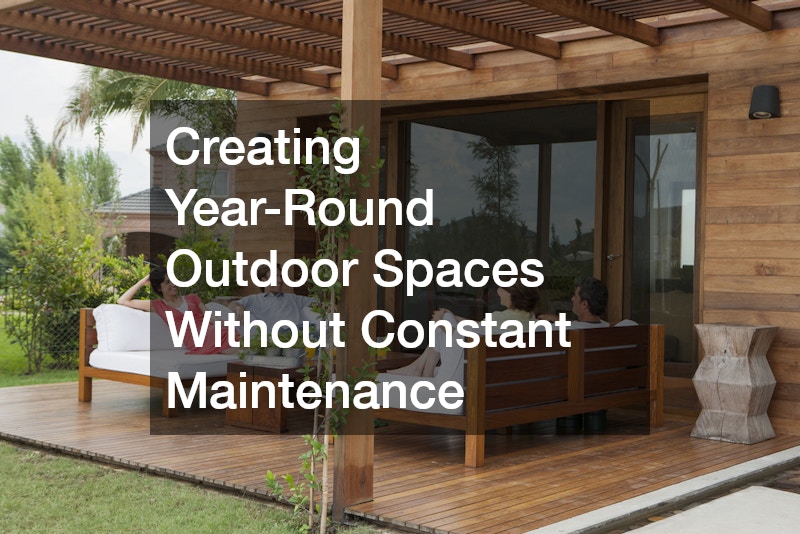
A backyard or patio that looks great for one season and falls apart the next isn’t really an outdoor living space, it’s a project you keep redoing. The good news is that with the right materials, layout, and a handful of smart upgrades, you can build outdoor areas that hold up through freezing winters, blazing summers, and everything in between. This guide walks through the practical decisions that reduce upkeep while keeping your space comfortable and attractive all year long.
Choosing Durable Hardscaping for Patios and Walkways
The foundation of any low-maintenance outdoor space starts with what’s under your feet. Poured surfaces resist cracking and shifting far better than loose materials like gravel or mulch, especially when installed correctly with proper base preparation and drainage slope. A base of compacted gravel, typically 4 to 6 inches deep, prevents the settling and heaving that causes so many DIY patios to crack within a year or two. Climate plays a bigger role than most homeowners expect. In regions with freeze-thaw cycles, water that seeps beneath a slab and freezes can expand enough to crack even well-poured concrete, which is why proper drainage slope, usually about a quarter inch per foot, is non-negotiable. In hot, dry climates, control joints spaced every 8 to 10 feet help manage expansion and contraction without random cracking across the surface. A qualified concrete contractor can assess your soil type and climate exposure to recommend the right mix design and reinforcement for your region, which matters more than most homeowners realize when it comes to long-term durability. Clay-heavy soils, for instance, shift more with moisture changes and often call for deeper footings or additional rebar reinforcement, while sandy soils drain well but may need extra compaction to prevent settling. Beyond concrete, options like pavers or natural stone offer similar durability with added flexibility, since individual units can be lifted and reset if minor shifting occurs, rather than requiring a full slab replacement. Whichever material you choose, investing in proper installation upfront costs more initially but pays off over a decade or more in avoided repairs, resealing, and replacement work.
Sealing and control joints also play a huge role in preventing the freeze-thaw damage that plagues so many outdoor surfaces. Water that seeps into unsealed concrete or natural stone expands roughly 9% when it freezes, and that repeated expansion is what cracks slabs and pops pavers out of place over a few winters. Control joints—those shallow grooves cut into concrete every 8 to 12 feet—give slabs a predictable place to crack instead of splitting randomly across the surface. For paver patios and walkways, polymeric sand in the joints does double duty, locking pavers together while shedding water away from the base instead of letting it pool underneath. A quality penetrating sealer, reapplied every two to three years, keeps moisture from soaking into porous materials like flagstone, brick, or unsealed concrete in the first place. Homeowners often skip these details to save money upfront, only to face expensive repairs a few years later. That upfront savings rarely holds up: a $200-300 sealing job now is far cheaper than repouring a cracked slab or resetting a heaved walkway section later, which can easily run into the thousands. Anyone hiring out hardscaping work should ask specifically whether joint spacing and sealant application are included in the quote, since these details are easy for contractors to gloss over when bidding a job.
- Ask about fiber-reinforced or rebar-reinforced mixes for high-traffic areas like driveways and main walkways
- Request a broom finish or textured surface (avoid smooth trowel finishes) to reduce slipping when wet
- Confirm the base is compacted in 4-inch lifts with a plate compactor, using 4-6 inches of crushed gravel for proper drainage
- Ask whether control joints will be cut every 8-10 feet to prevent random cracking as concrete cures
- Inquire about sealant reapplication schedules for your climate—typically every 2-3 years for freeze-thaw regions
- Consider permeable pavers or jointed stone for areas prone to pooling, which reduce ice buildup and runoff
- Get a written warranty covering cracking, heaving, or settling for at least 2-5 years
Refreshing a Tired Pool Deck Without a Full Rebuild
A cracked, faded, or slippery pool deck doesn’t always need to be torn out and replaced. In many cases, pool deck resurfacing can restore the surface with a fresh, textured coating that improves grip and appearance while covering minor imperfections underneath. This approach is typically faster and less expensive than a full replacement, and modern coatings are formulated to resist chlorine, UV rays, and constant moisture exposure.
Choosing the right texture and color also affects how much heat the deck absorbs, which matters for bare feet in summer. Lighter, textured finishes stay cooler and hide dirt better than smooth, dark surfaces, making seasonal cleaning far less of a chore.
- Look for slip-resistant, textured overlay options
- Choose lighter colors to reduce surface heat absorption
- Ask about warranty coverage on resurfaced areas
- Plan resurfacing during the off season for faster scheduling
Designing an Outdoor Layout That Anticipates the Seasons
A truly year-round space is planned with all four seasons in mind, not just the warm months when everyone wants to be outside. Covered areas, windbreaks, and strategically placed hardscaping can make a patio usable even during light rain or cooler evenings. If you’re planning a larger renovation or an addition like a sunroom or outdoor kitchen, working with a custom home builder early in the process ensures the structure integrates properly with your home’s existing rooflines, drainage, and utilities.
Thinking through sun exposure at different times of year also reduces maintenance headaches down the road. Areas that stay shaded and damp tend to grow moss and algae, while spaces with too much direct sun can fade furniture and finishes quickly.
- Include at least one covered or partially covered area for weather flexibility
- Position seating away from prevailing winter winds
- Choose materials with UV-resistant finishes for sunny exposures
- Plan drainage away from the house foundation
Keeping Outdoor Living Areas Comfortable in Extreme Heat
An outdoor space that’s unbearable in July doesn’t get much use, no matter how nice it looks. Ceiling fans, shade structures, and misting systems all help, but if your outdoor area connects to an enclosed sunroom or covered patio, extending your home’s cooling system can make a real difference. Professional air conditioner installers can evaluate whether a ductless mini-split or extended ductwork is the better fit for a semi-outdoor space, since these areas often have different insulation and airflow needs than the rest of the house.
Proper unit placement also affects long-term efficiency and noise levels. An improperly sized or positioned system will run constantly and wear out faster, which defeats the purpose of trying to reduce maintenance in the first place.
- Ask about ductless mini-split options for detached or semi-enclosed spaces
- Choose units with weatherproof housing for outdoor-adjacent installation
- Confirm proper sizing based on square footage and insulation
- Schedule seasonal filter changes to maintain efficiency
Protecting Outdoor Furniture and Equipment During Off Seasons
Even durable outdoor furniture benefits from proper off-season protection, especially in regions with harsh winters or humid summers. Cushions, cast aluminum pieces, and electronics like outdoor speakers or grills all last longer when stored properly rather than left exposed to freezing temperatures or repeated moisture cycles. For homeowners short on space, a moving and storage company can provide short-term or seasonal storage solutions that keep furniture protected without cluttering a garage or shed.
Climate-controlled storage units are worth the extra cost for anything with fabric, foam, or electronic components. A few months in a humid or freezing storage unit can do more damage than several years of normal outdoor use.
- Choose climate-controlled units for cushions and electronics
- Clean furniture thoroughly before storing to prevent mold
- Use furniture covers even on items placed in storage
- Label and inventory items for easy seasonal retrieval
Managing Water Systems for Outdoor Kitchens and Features
Outdoor kitchens, sinks, and water features add a lot of enjoyment to a backyard, but they also introduce plumbing that needs to be winterized correctly in colder climates. Burst pipes from inadequate insulation are one of the most common and preventable causes of spring repair bills. Experienced plumbing contractors can install proper shut-off valves, insulation, and drainage systems designed specifically for exterior use, which makes seasonal shutdown and startup far simpler.
Backflow prevention and freeze-resistant fixtures are also worth discussing during installation rather than after a problem occurs. Retrofitting these features later is almost always more expensive than building them in from the start.
- Install accessible shut-off valves for easy seasonal draining
- Ask about freeze-resistant outdoor faucets and fixtures
- Insulate exposed pipes running to outdoor kitchens or bars
- Schedule a professional inspection before the first hard freeze
Maintaining the Roof Structures Over Covered Patios and Pergolas
Covered outdoor spaces rely on their roof structures to hold up against sun, wind, and heavy rain, and these smaller roofs are often overlooked during regular home maintenance. Debris buildup, ponding water, and loose flashing can lead to leaks that damage furniture and structural wood underneath. Reputable roofing contractors can inspect attached patio covers or pergola roofing alongside your main roof, catching small issues before they become expensive water damage.
Material choice matters too, since not every roofing product suited for a house works well on a lower-pitched patio cover. Metal panels and certain synthetic shingles tend to perform better on these structures than traditional asphalt in many climates.
- Inspect flashing where the cover attaches to the main house
- Clear leaves and debris from valleys and gutters regularly
- Consider metal roofing for low-slope covered patios
- Check for ponding water after heavy rain
Selecting Weather-Resistant Siding for Outdoor Structures
Detached structures like pool houses, cabanas, and outdoor bars need exterior cladding that can handle direct weather exposure without constant repainting or repair. Fiber cement and engineered wood products have become popular choices because they resist moisture, pests, and warping better than traditional wood siding. Working with established siding companies to match these accessory structures to your home’s existing exterior keeps the property looking cohesive while cutting down on future upkeep.
Ventilation behind the siding is another detail that’s easy to overlook but critical for longevity. Trapped moisture behind cladding leads to rot and mold, even with high-quality materials, so proper installation technique matters as much as the product itself.
- Choose fiber cement or engineered wood for low-maintenance exteriors
- Confirm proper rain screen or ventilation gaps behind siding
- Match colors and textures to your main house for resale value
- Ask about warranty terms for coastal or high-humidity regions
Caring for Trees and Landscaping Around Outdoor Living Areas
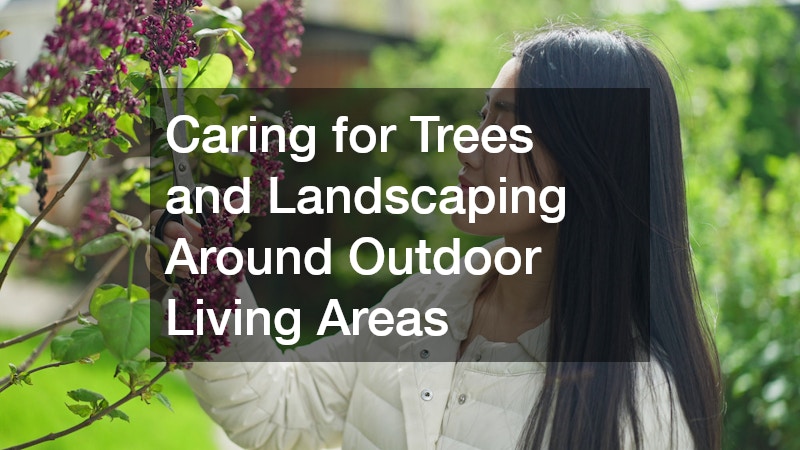
Trees provide valuable shade and privacy, but overgrown branches, invasive roots, and falling debris can quickly turn an outdoor space into a maintenance burden. Branches hanging over a pergola or patio cover create constant leaf litter and increase the risk of storm damage to roofing and furniture below. Professional tree services can handle pruning, root barrier installation, and removal of hazardous limbs, keeping your landscaping healthy without letting it take over your outdoor living space.
Seasonal timing matters for most tree work, since pruning at the wrong time of year can stress certain species or reduce flowering the following season. A trained arborist can advise on the right schedule for your specific trees while also checking for disease or structural weakness that isn’t obvious from the ground.
- Schedule pruning during each species’ dormant season when possible
- Remove branches overhanging roofs, decks, or pergolas
- Install root barriers near patios and foundations to prevent heaving
- Have large or aging trees inspected annually for structural risk
Keeping Garage and Storage Access Points Working Smoothly
Outdoor living spaces often connect directly to garages used for storing patio furniture, grills, and seasonal equipment, so a malfunctioning door creates a bottleneck for the whole system. A door that sticks, rattles, or fails to seal properly also lets in moisture and pests that can damage stored items. Prompt garage door repair keeps this access point functioning smoothly, which matters more when you’re regularly moving cushions, cookware, or tools in and out for seasonal use.
Weatherstripping and proper spring tension also affect energy efficiency if the garage is attached to the house. A well-maintained door keeps temperature swings from affecting adjacent living spaces, including any converted rooms near the outdoor area.
- Replace worn weatherstripping to block moisture and pests
- Lubricate rollers and hinges twice a year for smooth operation
- Test automatic sensors and reversal mechanisms regularly
- Address unusual noises promptly before they become bigger repairs
Building an outdoor space that stays functional and attractive through every season comes down to thoughtful material choices and a bit of proactive planning rather than constant repair work. Start with the elements that see the most wear, like your hardscaping, roofing, and water systems, then work outward to furniture care and landscaping. Taking these steps now will save you time, money, and frustration for years to come, letting you actually enjoy the space instead of maintaining it.
