
A backyard that looks great on a mild spring day can quickly become a liability when winter freezes hit, summer heat waves roll in, or seasonal storms dump inches of rain in an hour. Building a backyard that actually holds up means thinking beyond aesthetics and planning for the specific temperature swings, precipitation patterns, and soil conditions of your region. Whether you are starting from scratch or renovating an existing space, the right materials and structural choices now can save you thousands in repairs later. This guide walks through the key backyard systems and features to climate-proof, one at a time.
Grading and Drainage Planning for Heavy Rain Regions
Before you install a single paver or plant a single shrub, the ground beneath your backyard needs to slope correctly away from your home. Poor grading is one of the most common reasons backyards flood, erode, or develop standing water that breeds mosquitoes and damages landscaping. In regions with heavy seasonal rainfall, a properly graded yard directs water toward a drainage system rather than pooling near your foundation.
If you notice water collecting near your house after storms, it is worth having the soil evaluated before you invest in any hardscaping. Correcting grading issues early is far cheaper than fixing a cracked patio or a soggy lawn that never fully dries out.
- Aim for a slope of at least two percent moving water away from the house
- Install French drains or dry wells in low-lying areas
- Use permeable pavers to reduce runoff in patio and walkway areas
- Add gutters and downspout extensions that direct roof water well away from planting beds
Foundations and Materials for Concrete Patios in Freeze Thaw Climates
In climates with harsh winters, the freeze thaw cycle is one of the biggest threats to any concrete surface in your backyard. Water seeps into small cracks, freezes, expands, and gradually breaks the concrete apart from the inside out. Working with experienced concrete contractors who understand local frost depth requirements ensures your patio, walkway, or driveway extension is poured with the right base thickness and reinforcement to resist this cycle.
Sealing concrete every couple of years also makes a meaningful difference in how long a patio lasts in a cold climate. A quality sealant blocks moisture penetration and reduces surface scaling, which is the flaking and pitting that shows up after repeated freezing winters. Skipping this maintenance step is one of the fastest ways to shorten the lifespan of an otherwise well-built surface.
- Request a base depth suited to your region’s frost line, not a generic minimum
- Ask about air-entrained concrete mix for better freeze resistance
- Reseal exposed concrete every two to three years
- Watch for hairline cracks in fall and address them before winter moisture sets in
Decking Materials That Handle Sun, Humidity, and Snow Load
A deck built for a dry, sunny climate needs very different materials than one built where humidity and rain are constant companions. Wood decking in humid regions is prone to rot, warping, and insect damage unless it is properly treated and ventilated underneath. A skilled deck contractor can recommend composite materials or naturally rot-resistant woods depending on your specific climate challenges and how much maintenance you are willing to commit to each year.
In areas with heavy snowfall, structural load capacity matters just as much as surface material. Decks need to be engineered to handle the weight of accumulated snow without sagging or stressing the ledger board connection to your home. Ignoring this during the design phase can lead to costly structural repairs after just a few winters.
- Composite decking resists rot and requires less upkeep in humid climates
- Pressure-treated lumber needs annual sealing in wet regions
- Confirm snow load ratings for decks in northern climates
- Space boards properly to allow airflow and prevent moisture trapping

Choosing Plants and Hardscaping Suited to Your Growing Zone
One of the simplest ways to build a resilient backyard is to work with your climate instead of against it, and that starts with plant selection. Visiting local garden centers rather than relying on generic online plant lists gives you access to species that are already proven to thrive in your specific soil type, rainfall pattern, and temperature range. Native and drought-tolerant plants generally require less water, fewer chemical treatments, and less overall maintenance once established.
Hardscaping choices matter too, since materials like natural stone, brick, and certain composites respond differently to heat, cold, and moisture. In hot, dry climates, lighter-colored stone reflects heat rather than absorbing it, keeping patios more comfortable underfoot. In wetter climates, textured surfaces reduce slipping and drain more effectively than smooth finishes.
- Ask staff about drought-tolerant and native plant options for your zone
- Group plants by water needs to simplify irrigation
- Choose lighter-toned stone or pavers in hot, sunny climates
- Select textured, slip-resistant surfaces for rainy or humid regions
Structures That Provide Shade, Shelter, and Storm Protection
Pergolas, gazebos, and covered patios do more than add charm to a backyard, they extend how much of the year you can actually use the space comfortably. In hot climates, strategic shade structures can lower usable surface temperatures significantly, making outdoor living areas comfortable even in peak summer months. In storm-prone regions, structures should be anchored and rated to withstand high winds rather than installed as an afterthought.
When planning any large structure, it is worth consulting the same team you would trust with major additions to your main house. In fact, some homeowners work with a custom home builder to design backyard structures that match the architectural style and structural standards of the primary residence. This ensures consistency in quality and helps the structure hold up to the same weather stresses your home already withstands.
- Choose wind-rated materials and anchoring systems in storm-prone areas
- Position shade structures based on your yard’s sun exposure throughout the day
- Match backyard structures to the durability standards of your home’s build
- Consider retractable awnings for flexibility across seasons
Protecting Outbuildings and Vehicle Storage From Weather Extremes
Many backyards include a shed, workshop, or dedicated space for vehicles, and these structures need the same climate considerations as the main house. Outbuildings are often afterthoughts in the design process, yet they hold tools, equipment, and vehicles that are just as vulnerable to weather damage as anything inside your home. If your property includes a detached garage or carport, proper insulation and ventilation prevent temperature extremes from damaging stored items or vehicles over time.
Ridge vents, gable vents, or simple louvered openings allow hot air to escape in summer, while insulated walls and doors keep interiors more stable in winter. Without adequate airflow, humidity can build up inside a closed structure and lead to condensation on tools, electronics, or vehicle undercarriages. A vapor barrier beneath the flooring is also worth considering in areas with high groundwater or frequent rain. In regions with harsh winters or intense summer heat, dedicated car storage should include weatherproofing details like sealed door edges and moisture barriers to prevent rust and mold buildup.
Rubber gasket seals along the base and sides of garage doors block drafts, dust, and pests, while a slight slope in the concrete slab helps water drain away rather than pooling near tires. In snow-prone climates, a heated threshold mat or simple space heater on a thermostat can keep the interior above freezing, protecting both the vehicle and any plumbing or electrical fixtures inside. Roofing materials matter too. Metal roofing sheds snow load more effectively than asphalt shingles, while reflective coatings reduce heat absorption in hotter climates, keeping stored vehicles and equipment from baking under a summer sun.
Outbuildings and garage structures take a beating from constant temperature swings, humidity shifts, and moisture exposure, and mechanical failures on doors and hardware tend to show up right when weather gets extreme. Metal tracks can warp in freeze-thaw cycles, springs lose tension in prolonged cold, and wood panels swell or crack under summer humidity. Scheduling garage door repair before the start of winter or the peak of summer storm season helps you avoid being locked out of shelter exactly when you need it most.
A quick seasonal inspection should cover weatherstripping, hinges, rollers, and the automatic opener’s sensors, since even minor gaps or misalignments get worse under thermal stress. Lubricating moving parts twice a year and tightening loose bolts can prevent the kind of sudden breakdown that leaves a door stuck open during a hailstorm or frozen shut during a cold snap.
It’s also worth checking that the door’s insulation rating matches your climate, since a poorly insulated door can let in enough temperature swing to damage stored vehicles, tools, or equipment. A well-sealed, functioning door also plays a real role in keeping pests, moisture, and windblown debris out of any attached storage space. This matters most in regions with heavy rain or snowmelt, where even small gaps at the threshold can let water pool along the foundation and eventually seep into stored equipment or vehicle undercarriages. Investing in a simple threshold seal or door bottom astragal, combined with routine upkeep, extends the life of both the structure and everything parked or stored inside it.
- Insulate detached garages or workshops in extreme climate regions, aiming for R-13 to R-21 in walls to protect stored vehicles, tools, and temperature-sensitive materials
- Add weather stripping around doors and windows to reduce drafts, block pests, and prevent moisture intrusion that leads to rust or mold
- Seal gaps around utility penetrations (electrical lines, vents) where water and cold air often sneak in
- Test automatic door openers before major storm seasons, checking battery backups so doors still operate during power outages
- Keep tracks and sensors clear of debris, dirt, and ice buildup for reliable, safe operation
- Lubricate garage door rollers and hinges twice a year to prevent weather-related sticking or grinding
- Grade the surrounding ground away from outbuildings to stop pooling water and foundation damage during heavy rain or snowmelt
Roofing and Siding Choices for Attached Outdoor Living Spaces
If your backyard includes a covered porch, sunroom, or attached patio roof, the materials protecting that space need to match the durability of your home’s main roofing system. These structures often get overlooked during initial construction, with builders defaulting to whatever material is cheapest rather than what will actually hold up to local conditions. That shortcut tends to catch up with homeowners within a decade. Sun exposure, hail, and heavy rain all take a toll over time, and a roof replacement on an attached structure is often needed sooner than homeowners expect if lower-grade materials were used during initial construction.
In hail-prone regions, standard three-tab shingles can show bruising or cracking after just a few seasons, while impact-resistant Class 4 shingles are built to withstand repeated hits without granule loss. Metal roofing, particularly standing-seam panels, offers similar resilience and can last 40 to 70 years with minimal maintenance, making it a strong choice for both durability and long-term value.
Climate should also guide color and coating choices. Lighter-colored or reflective roofing reduces heat buildup in sunrooms and covered patios during hot summers, while darker materials may help retain warmth in colder climates. Ventilation matters too — attached structures without proper airflow are prone to trapped moisture, which accelerates wear regardless of how premium the roofing material is.
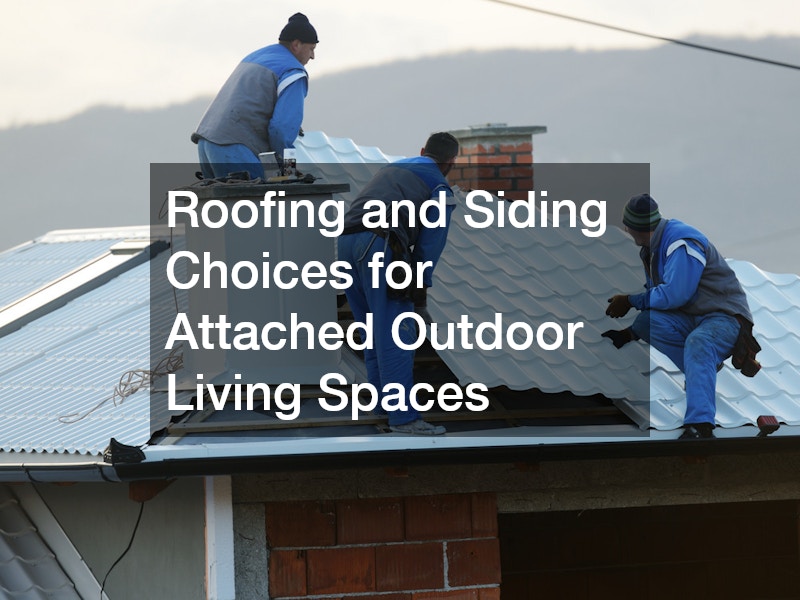
Siding on these attached spaces deserves the same scrutiny. Fiber cement and engineered wood siding resist warping and pest damage better than traditional wood in humid or rainy climates, while vinyl siding rated for high wind zones can prevent cracking in areas prone to storms. Matching these materials to your region’s specific stressors, rather than simply mirroring what’s on the main house, will save on repair costs down the road.
Siding on outdoor living structures faces similar exposure challenges, especially in regions with high humidity or frequent freeze-thaw cycles. Small gaps or cracks allow moisture to seep behind the surface, leading to rot and mold that can spread for months before it becomes visible from the outside. Fiber cement and PVC trim tend to hold up better than raw wood in these conditions, since they resist swelling and don’t provide the same food source for fungal growth.
Freeze-thaw climates add another layer of stress, since trapped moisture expands when it freezes and forces panels apart at the seams. This is why proper flashing around windows, doors, and roof-to-wall transitions matters as much as the siding material itself. Even premium siding will fail early if water has a pathway behind it during winter cycles.
Prompt siding repair when you notice warping, discoloration, bubbling paint, or loose panels prevents a small issue from turning into a full replacement project. A single cracked panel caught early might cost under $200 to fix, while widespread rot behind a whole wall section can run into the thousands once framing is involved. Scheduling a visual inspection each spring and fall, after the harshest seasonal swings, makes it far easier to catch these problems while they’re still minor.
- Match roofing material to your region’s dominant weather risk: impact-resistant Class 4 shingles or metal for hail zones, reflective or light-colored roofing for extreme heat, and steep-pitched metal panels for heavy snow loads
- Inspect attached structure roofs annually for granule loss, curling, or cracked shingles, paying close attention to the seam where the patio or porch roof meets the main house
- Check flashing at rooflines and joints every year, since this is where leaks most often start on attached structures
- Address small siding gaps or cracked caulk before moisture works its way behind the surface and causes rot or mold
- Choose moisture-resistant siding materials like fiber cement, vinyl, or engineered wood in humid or rainy climates
- In coastal areas, opt for corrosion-resistant fasteners and siding rated for salt-air exposure to prevent premature wear
Water, Heating, and Cooling Systems Serving Outdoor Spaces
More backyards now include outdoor kitchens, hot tubs, and even outdoor showers, which means plumbing and utility lines are exposed to the same climate stresses as everything else in the yard. Pipes running to outdoor fixtures need proper insulation and burial depth in cold climates to prevent freezing and bursting during winter months.
In most regions, that means burying supply lines below the local frost line, which can range from 12 inches in milder climates to over 48 inches in harsher northern areas. Beyond burial depth, insulated pipe sleeves, heat tape, and freeze-proof hose bibs add extra protection for lines that can’t be buried deep enough or run above ground to a kitchen or shower.
Shutoff valves should be installed at accessible points so water can be drained from outdoor lines before the first hard freeze, rather than left sitting in pipes all winter. Backflow preventers are also worth considering, especially if your outdoor kitchen or hot tub ties into the main water supply. In hot, arid climates, the concern shifts toward UV damage and heat expansion. Exposed PVC or poly pipe can become brittle under constant sun exposure, so materials rated for high heat and UV resistance, along with shaded routing where possible, help extend their lifespan.
Hiring a licensed plumber to assess your outdoor water lines before extreme weather season ensures fittings, shutoff valves, and insulation are all rated for your climate. A plumber can also advise on whether your outdoor kitchen, hot tub, or shower setup needs dedicated shutoffs, proper drainage slope, or backflow protection based on local codes. That upfront inspection is far cheaper than repairing a burst pipe or water-damaged patio after the fact.
If your backyard structure includes any heating element tied into your home’s HVAC system, such as a heated sunroom or enclosed porch, seasonal maintenance becomes just as important as it is indoors. Scheduling furnace repair or inspection before winter ensures any ductwork extending to outdoor-adjacent spaces is functioning efficiently and safely. Skipping this step in colder climates can lead to uneven heating and higher energy costs throughout the season.
A thorough pre-winter inspection should check for duct leaks, damaged insulation around exterior-facing vents, and thermostat zones that aren’t communicating properly with the rest of the system. Because outdoor-adjacent rooms lose heat faster through windows and thinner walls, they often place extra strain on a furnace that wasn’t sized with that additional load in mind. Catching a failing component early, whether it’s a worn blower motor or a cracked heat exchanger, is far less costly than an emergency repair mid-January.
It’s also worth having a technician evaluate whether supplemental heating, like a mini-split or radiant floor system, makes more sense than extending your main furnace’s reach. In milder climates, this may be unnecessary, but in regions with harsh winters, a dedicated system can reduce wear on your primary HVAC unit while keeping the space comfortable. Either way, an annual check-up before the cold sets in is the simplest way to avoid uneven heating, spiking utility bills, or a full system breakdown when temperatures drop.
- Insulate and bury outdoor water lines below your region’s frost line (typically 12-36 inches, depending on climate), using foam pipe sleeves for extra protection
- Install accessible shutoff valves for winterizing outdoor fixtures, and label them clearly so seasonal maintenance doesn’t require guesswork
- Have connected HVAC ductwork inspected before peak heating season, checking for leaks, loose connections, and adequate insulation where lines run through unconditioned spaces
- Drain and shut off exterior water features before the first hard freeze, including fountains, irrigation lines, and pool plumbing, to prevent cracked pipes and pump damage
- Consider heat tape or cable wrapping for exposed pipes in regions with extreme cold snaps
- Schedule a mid-season HVAC checkup if outdoor-connected systems run heavily during summer, since heat and humidity can strain compressors faster than expected
Building a backyard that truly withstands your local climate means looking at every system together, from the ground up and the roofline down. Small proactive steps, like proper grading, climate-appropriate materials, and seasonal maintenance, prevent the expensive emergency repairs that catch so many homeowners off guard. Start by walking your own backyard and identifying which of these systems needs attention first, then bring in qualified local professionals to help you plan improvements suited to your specific climate. A little planning now means years of enjoying your outdoor space without dreading the next storm, freeze, or heat wave.
