
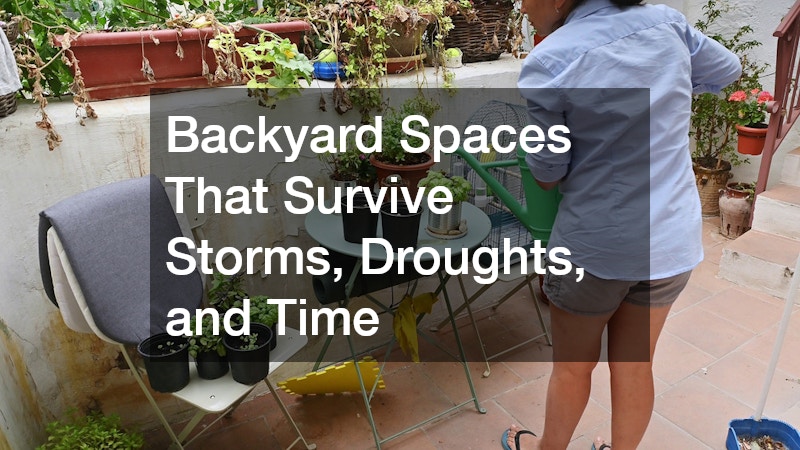
A backyard should be a place you enjoy for decades, not a project you redo every few years. Between heavy storms, dry spells, and everyday wear, outdoor spaces take a beating that most homeowners underestimate until something cracks, floods, or fades. The good news is that with the right materials, maintenance routines, and a few smart upgrades, your yard and the structures around it can hold up against nearly anything the weather throws at them. This guide walks through the systems and surfaces worth protecting first, so your outdoor investment actually lasts.
Patio and Garage Floor Surfaces That Resist Cracking
Concrete patios and garage floors look sturdy, but constant freeze-thaw cycles, UV exposure, and pooling water eventually cause pitting, staining, and cracks that spread over time. Water that seeps into hairline cracks expands as it freezes, widening those cracks with each passing winter, which is why untreated concrete in colder climates tends to deteriorate faster than the same slab in a mild region. One of the most effective long-term fixes is applying epoxy floor coatings, which create a seamless, water-resistant barrier over existing concrete instead of requiring a full tear-out. A properly applied system typically includes a primer coat, a pigmented epoxy base, and a clear topcoat, giving the surface both durability and a finished appearance. Most professional-grade coatings run 10 to 20 mils thick, thick enough to bridge minor surface imperfections and resist the wear of vehicle traffic, foot traffic, and dropped tools alike. These coatings resist oil, chemicals, and moisture intrusion far better than bare concrete, which matters if your patio doubles as a grill station or workshop extension. Spilled motor oil, brake fluid, or de-icing salts that would normally stain or pit raw concrete simply wipe off an epoxy surface. Many homeowners also add a slip-resistant additive to the final coat, an important consideration for patios that get wet from rain, pool splash, or hose-downs. With proper surface prep and curing time, a quality epoxy application can last 10 to 20 years before needing a refresh, making it one of the better cost-to-lifespan investments for outdoor and garage flooring.
Beyond durability, epoxy floor coatings also help homeowners avoid the slow degradation that comes from ignoring small surface cracks. A hairline crack as thin as 1/16 of an inch might seem cosmetic, but it’s already a pathway for moisture to reach the concrete underneath. Once water gets underneath a coating or into unsealed concrete, freezing temperatures can expand those cracks into serious structural issues within a few seasons. This freeze-thaw cycle is especially damaging in climates that see repeated swings above and below 32°F, since water expands roughly 9% in volume as it turns to ice, prying the crack wider with every cycle. Left unaddressed, what starts as a surface blemish can turn into spalling, pitting, or even sections of concrete that crumble under foot traffic or vehicle weight. Quality epoxy floor coatings act as a sealed membrane, blocking water infiltration while still allowing the surface to handle heavy loads in a garage or high-traffic patio. Homeowners should also plan on inspecting coated surfaces annually, paying close attention to control joints and edges near drains, where coatings are most likely to wear thin first.
- Choose a slip-resistant additive (like polymer grit or fine aggregate) for pool decks and covered patios, especially in areas that stay wet
- Reapply sealant every 2-3 years for high-sun exposure, or every 4-5 years for shaded or covered surfaces
- Address hairline cracks with a flexible epoxy filler before coating to prevent trapped moisture and future spreading
- Consider a textured or broom-finish coating for high-traffic outdoor kitchens to hide wear and improve grip
- Check that garage floor coatings are rated for hot tire pickup if parking a car soon after driving
Roof and Attic Systems That Handle Wind and Hail

Your backyard structures are only as safe as the roof over your house and any covered outdoor living areas. High winds, hail, and prolonged sun exposure wear down shingles faster than most homeowners realize, which is why an annual inspection from a qualified roofing contractor is worth scheduling before storm season rather than after damage appears. A professional can spot lifted shingles, worn flashing, or ventilation issues that lead to bigger leaks later.
Storm damage often shows up gradually, with small leaks around chimneys or skylights that seem minor until they cause rot in the decking below. Catching these problems early is far cheaper than replacing an entire roof section after a major storm.
- Schedule inspections in spring and fall
- Look for granule loss in gutters after heavy rain
- Check attic insulation for moisture stains after storms
- Ask about impact-resistant shingles in hail-prone regions
Gutter and Drainage Lines That Keep Water Moving
Water is one of the biggest threats to a backyard’s long-term health, especially when gutters clog and start dumping runoff straight into flower beds, patios, or foundations. Reliable gutter services keep water flowing away from your home instead of pooling near siding or seeping into crawl spaces. Clogged gutters during a heavy storm can overflow within minutes, sending water cascading down exterior walls and eroding landscaping below.
A well-maintained drainage system also protects hardscaping like walkways and retaining walls, which can shift or crack when soil underneath becomes saturated repeatedly. Scheduling cleanings twice a year, or more often if you have overhanging trees, keeps the whole system working as intended.
- Install gutter guards to reduce debris buildup
- Check downspouts extend at least four feet from the foundation
- Watch for sagging gutter sections after ice or snow
- Clear leaves before the first fall storms arrive
Outdoor Living Areas That Stay Comfortable Through Summer Heat
A backyard is only usable if it stays comfortable during the hottest months, which puts real strain on cooling systems if your outdoor space connects to an enclosed porch, sunroom, or pool house. Routine AC service keeps compressors and coils running efficiently, preventing the kind of breakdowns that happen right when temperatures spike. Skipping maintenance often leads to systems working harder than necessary, which shortens their lifespan and drives up energy bills during drought-level heat waves.
Shade structures, pergolas, and strategic tree placement can also reduce how hard indoor cooling systems have to work by blocking direct afternoon sun from windows and patio doors.
- Replace air filters monthly during peak summer use
- Clear debris from outdoor condenser units regularly
- Add shade sails or pergolas over west-facing patios
- Schedule tune-ups before, not during, heat waves
Pool and Water Feature Upkeep for Year-Round Durability
Pools and water features add enormous value to a backyard, but they also require consistent upkeep to survive temperature swings and seasonal drainage issues. Cracked tile, failing pumps, and worn liners are common after a rough winter, which is why timely pool repair matters before small issues turn into costly structural problems. A pump that runs inefficiently not only wastes water during drought restrictions but also strains the entire filtration system.
Regular inspections of pool decking, coping, and surrounding drainage help prevent shifting caused by soil erosion, especially in yards with heavy clay soil that expands and contracts with moisture changes.
- Check pH and chemical balance weekly during swim season
- Inspect pump seals and filters each spring
- Reseal decking cracks before winter freeze
- Monitor water levels to catch leaks early
Plumbing Lines That Support Outdoor Kitchens and Irrigation
Outdoor kitchens, irrigation systems, and hose bibs all rely on plumbing lines that are exposed to more temperature swings than the pipes inside your house. A dependable plumbing service can identify weak points, like older galvanized lines or shallow-buried pipes, before a hard freeze causes a burst that floods your yard. This is especially important for homeowners who have invested in outdoor sinks, grills, or irrigation systems tied to their main water supply.
Drought conditions add another layer of stress, since irrigation systems often run longer and harder to keep landscaping alive, which increases wear on valves and fittings. A yearly checkup keeps everything functioning efficiently and helps you avoid the kind of hidden leak that quietly wastes water for months.
- Insulate exposed outdoor pipes before winter
- Test irrigation valves each spring for leaks
- Install a shutoff valve for outdoor kitchen plumbing
- Check hose bibs for drips that indicate worn washers
Full Kitchen Upgrades That Extend Indoor and Outdoor Living
Many homeowners find that a backyard renovation naturally leads them to reconsider their indoor spaces too, especially when an open-concept design connects the kitchen to the patio. Removing walls or widening sliding glass doors to a 10- or 12-foot span can turn a standard kitchen into the true hub of indoor-outdoor entertaining. A thoughtful kitchen renovation can improve flow between these areas, making it easier to host gatherings without constantly running back and forth for drinks, dishes, or serving trays. Material choices matter just as much as layout. Quartz and porcelain countertops hold up well near entry points where humidity, sun exposure, and temperature swings are common, while butcher block or untreated stone can warp or stain over time in those same conditions. Matching or complementary materials between indoor counters and an outdoor kitchen island also create visual continuity that makes the whole space feel intentional rather than pieced together. Flooring transitions deserve attention too. Large-format tile or sealed concrete that runs from the kitchen through to the patio minimizes tripping hazards and reduces the visual break between spaces. Weather-resistant finishes on cabinetry, hardware, and trim near sliding doors further protect against moisture damage, fading, and warping, helping the transition zone age as gracefully as the rest of the yard.
When planning this kind of project, it helps to think about how materials will hold up to the humidity and temperature shifts that come from frequently opening doors to the backyard. Cabinetry near a patio entrance, for instance, benefits from moisture-resistant finishes like marine-grade plywood or thermofoil rather than raw particleboard, which can swell and warp when exposed to seasonal condensation. Countertops deserve the same scrutiny. Quartz and sealed granite tend to resist the humidity swings better than butcher block, which needs frequent resealing to avoid cracking near an open door. Flooring transitions matter too. A slight step-down or a durable threshold strip between indoor tile and outdoor decking keeps rainwater from seeping inward, while also giving the space a more intentional, finished look. Ventilation is another piece worth planning for early. Range hoods and exhaust fans rated for higher humidity loads help prevent condensation buildup on nearby windows and cabinetry, especially in climates with muggy summers or frequent storms.
- Choose moisture-resistant cabinetry (marine-grade polymer or sealed stainless steel) near exterior doors, where humidity and splashback are constant
- Match flooring transitions—like polished concrete to weather-rated porcelain tile—for a seamless indoor-outdoor feel underfoot
- Add proper ventilation, such as exhaust fans or louvered vents, to manage humidity swings between covered patios and interior kitchens
- Consider durable countertop stone like granite or quartzite for high-traffic use, since both resist scratching, staining, and UV fading
- Install weatherproof electrical outlets with GFCI protection for outdoor appliances and lighting
- Opt for hidden drainage channels near sinks and prep areas to prevent water pooling during storms
Window and Door Seals That Block Storm Damage
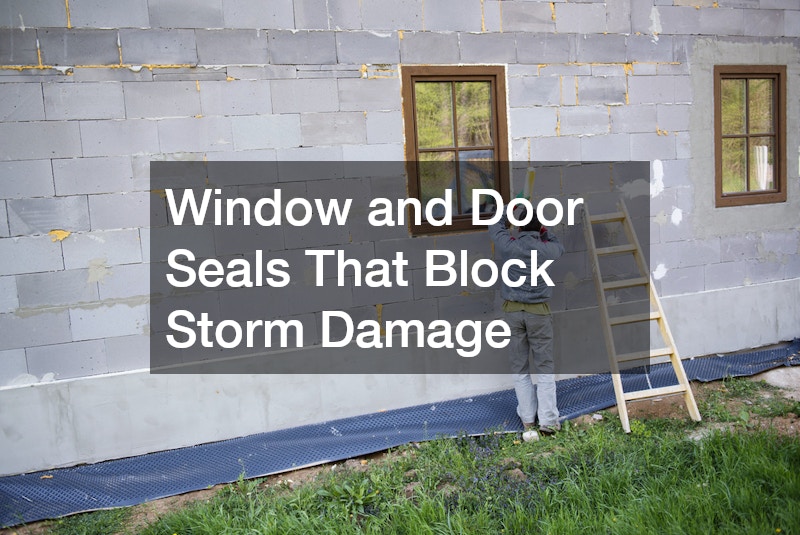
Older windows and doors are one of the most overlooked weak points during severe weather, letting in drafts, moisture, and even wind-driven rain during storms. Investing in window replacement can dramatically improve how well your home resists pressure changes during high winds, while also cutting energy costs during both summer heat and winter cold. Newer impact-rated glass options are especially useful for homeowners in storm-prone regions who want an added layer of protection without installing storm shutters every season.
Beyond storm protection, updated seals reduce the humidity buildup that can warp wood trim or promote mold growth near patio doors, protecting the areas where indoor and outdoor living meet.
- Look for double or triple-pane options in storm-prone areas
- Check seals annually for gaps or condensation buildup
- Choose impact-rated glass for hurricane or hail regions
- Replace weatherstripping around sliding doors yearly
Fencing and Privacy Structures Built to Last
Fences take a constant beating from wind, moisture, and shifting soil, which is why material choice matters as much as installation quality. Reputable fence companies can help homeowners choose between wood, vinyl, and aluminum based on local climate conditions, since some materials warp or rust faster in humid or coastal environments. A fence that leans or rots within a few years often points to poor post depth or the wrong material for the region’s weather patterns.
Regular maintenance, like resealing wood fences or checking metal posts for rust, extends the life of the structure significantly and keeps your backyard secure through repeated storms.
- Choose pressure-treated wood or vinyl for humid climates
- Set posts below the frost line to prevent heaving
- Inspect gate hardware yearly for rust or looseness
- Reseal wood fencing every two to three years
Tree and Landscape Maintenance That Prevents Storm Damage
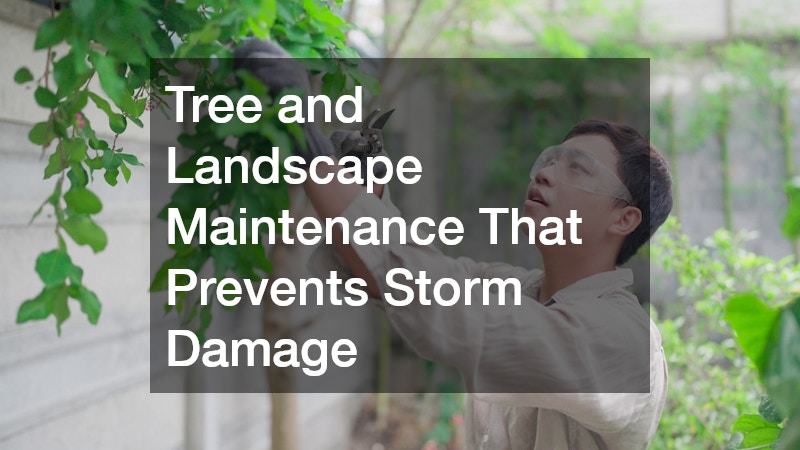
Mature trees add shade and beauty to a backyard, but overgrown branches are a major hazard during high winds and heavy storms. Scheduling regular tree trimming services reduces the risk of falling limbs damaging roofs, fences, or vehicles, while also improving the tree’s overall health and storm resistance. Removing weak or dead branches before storm season is far less expensive than repairing the damage they cause after falling.
Proper trimming also improves airflow and sunlight distribution across the yard, which helps grass and garden beds survive both drought conditions and excess rainfall more effectively.
- Trim branches away from rooflines and power lines
- Remove dead or cracked limbs before storm season
- Thin dense canopies to reduce wind resistance
- Schedule trimming annually for mature or fast-growing trees
Protecting a backyard from storms, drought, and everyday wear isn’t about one big project, it’s about staying ahead of small issues before they become expensive ones. Walk through your own outdoor space with this list in mind and identify which systems need attention first, whether that’s drainage, roofing, or aging fences. A little seasonal maintenance now can save you thousands in repairs later and help your backyard stay functional, safe, and enjoyable for years to come.
