
A backyard that looks great on installation day can fall apart fast once real weather sets in, whether that means blazing summer heat, heavy monsoon rains, freeze-thaw winters, or salty coastal air. The materials, structures, and systems you choose need to match the conditions they will actually face year-round, not just the climate on the day you signed the contract. This guide walks through the major backyard elements most affected by local weather and how to plan each one so it holds up for years instead of months. Think of it as a checklist for building outdoor spaces that work with your climate instead of against it.
Planning Roof Coverage for Patios and Outdoor Structures
Shade structures, covered patios, and pergola roofs take a beating from sun, wind, and precipitation, so the roofing material matters as much on a backyard structure as it does on the house itself. In areas with heavy snow load or intense UV exposure, lightweight or budget materials often warp, crack, or fade within a few seasons. Many homeowners find it worthwhile to consult roofing companies that also handle smaller structures, since they understand regional code requirements for wind uplift and snow load that a general handyman might miss.
The pitch and material you choose should be based on your specific climate pattern rather than aesthetics alone. A steeper pitch sheds snow and rain more efficiently, while reflective or light-colored materials reduce heat buildup in sun-heavy climates.
- Metal roofing holds up well in wildfire-prone or high-wind regions
- Polycarbonate panels work for shade without blocking all light
- Asphalt shingles need proper venting to avoid heat trapping in attics or structures
- Wood shake requires more maintenance in humid or rainy climates
Managing Water Runoff Around Patios and Decks
Water management is one of the most overlooked parts of backyard planning, yet it determines whether your hardscaping lasts a decade or needs replacing after a few wet seasons. Without proper drainage, water pools near foundations, erodes soil under pavers, and creates slippery, mossy surfaces on decks and walkways. Extending gutters away from the house and directing that runoff toward a designated drainage area protects both your home and any structures you build nearby.
Grading is just as important as the drainage system itself. A backyard that slopes toward the house rather than away from it will always struggle with standing water, no matter how good the gutters are.
- Install downspout extensions that carry water at least six feet from the foundation
- Use permeable pavers in patios to let water filter through rather than pool
- Add a French drain in low spots that collect runoff after storms
- Check drainage slope annually, since soil settles over time
Protecting Wood and Composite Decking From Sun and Moisture
Decking material choice should reflect how much direct sun, rain, or humidity your backyard gets throughout the year. Untreated wood in a humid climate will warp, splinter, and grow mildew far faster than in a dry region, while composite decking in extreme heat can soften, warp, or discolor if it is not rated for high UV exposure. In coastal areas, salt air adds another layer of wear, corroding fasteners and accelerating the breakdown of surface finishes. Softwoods like pine and cedar are especially vulnerable to moisture absorption and generally need more frequent sealing than hardwoods such as ipe or teak, which have natural oils that resist rot. Sealing wood decks every one to two years is a minimum requirement in wet or coastal climates, not an optional upgrade, and boards exposed to standing water or deep shade may need attention annually. A simple water-drop test — if water soaks in within a few minutes instead of beading up — is a reliable sign it’s time to reseal. For composite decking, look for products with UV inhibitors and capped polymer shells, which resist fading and heat absorption far better than uncapped, older-generation composites. In regions that regularly see surface temperatures above 140°F on dark decking, lighter colors or capped boards can prevent softening and reduce the risk of bare feet burning. Regardless of material, proper spacing between boards and airflow underneath the deck are essential for letting moisture escape rather than pooling and accelerating decay.
Beyond the decking boards themselves, the finish you apply plays a major role in longevity. Wood decking generally needs a fresh coat of stain or sealant every one to three years, depending on sun exposure and foot traffic, while composite boards typically only need periodic cleaning but still benefit from a UV-protective sealant on cut edges and fastener points where moisture can creep in. A qualified painting company can recommend exterior-grade stains and sealants formulated for your specific climate zone, since a product built for dry heat will not perform the same way in a humid coastal environment. In arid, high-UV regions, look for finishes with strong ultraviolet inhibitors that prevent graying and cracking. In humid or rainy climates, prioritize products with mildewcides and water-repellent resins that keep moisture from seeping into the wood grain and causing rot or warping. Application matters just as much as product choice. A professional will typically recommend cleaning and lightly sanding the deck surface before applying a semi-transparent or solid stain, since trapped dirt and old finish residue can prevent proper adhesion. They can also advise on timing, since staining during high humidity or direct midday sun often leads to uneven curing and a shorter-lasting finish.
- Choose UV-stabilized composite boards in sun-heavy climates; look for a fade warranty of at least 25 years and cap-stock protection that resists chalking
- Reseal wood decks before the rainy season begins, using a penetrating sealer that soaks in rather than just sitting on the surface
- Look for mold-resistant coatings in humid regions, especially ones with mildewcides built in rather than just a topical fungicide spray
- Avoid dark stain colors in extreme heat zones, as they absorb more warmth and can push surface temperatures 30-40°F higher than lighter finishes
- Test board temperature underfoot before committing to a color in hot climates, since some composites can exceed 140°F in direct sun
- Space and orient boards to allow airflow underneath, reducing trapped moisture that accelerates rot and mold growth in wood decking
Keeping Pools and Water Features Running Through Seasonal Extremes
Pools face unique climate stress, from freeze damage in winter to algae blooms in humid summers, and the equipment running them needs regular attention to keep up. Cold snaps can crack pipes and damage pumps if a system is not properly winterized, while intense heat accelerates wear on filters, seals, and gaskets that were never designed to handle prolonged exposure to triple-digit temperatures. Even a single hard freeze can split a PVC line if water is left sitting inside it, turning a minor oversight into a repair costing thousands. Water features like fountains and hot tubs carry similar risks, since their smaller pipes and exposed plumbing can freeze faster than a full-sized pool system. Homeowners in humid climates face the opposite problem: warm, stagnant water invites algae and bacteria growth, which clogs filters and forces pumps to work harder than they should. In either climate extreme, the equipment bears the brunt of the stress long before homeowners notice a visible problem. Scheduling pool filter and pump repair before the swim season starts, rather than after a breakdown, saves homeowners from costly emergency service calls during peak usage months. A pre-season inspection should check for worn O-rings, corroded fittings, and motor bearings that tend to fail under sustained summer use. Homeowners in freeze-prone regions should also budget for annual winterization, including draining lines, adding air pressure to plumbing, and insulating exposed equipment, since skipping even one season can undo years of otherwise careful maintenance.
Pools and water features take the brunt of seasonal extremes, since they combine standing water, exposed plumbing, and structural materials that all react differently to freezing and thawing. For homeowners considering a more budget-friendly option, above ground pool installation has become increasingly popular in regions with shorter swim seasons, since these pools are easier to winterize and less prone to the ground-shift issues that affect in-ground pools in freeze-thaw climates. Their walls also flex slightly with frost movement rather than cracking, which matters in areas where the ground heaves several inches over winter. Choosing the right liner thickness and pump size for your climate zone at the outset prevents many of the seasonal headaches that come later. In colder regions, a liner in the 28-30 mil range holds up better against contraction than the thinner 20 mil options, and pumps should be sized to fully drain plumbing lines before the first hard freeze. Skimping here often means replacing cracked fittings or a warped liner within a year or two. Water features like fountains and small ponds need their own seasonal plan. Circulating pumps should be pulled, cleaned, and stored indoors once temperatures consistently drop below freezing, while any exposed tubing benefits from a slight downward slope so trapped water can drain out completely. In hot, dry climates, the bigger concern shifts to evaporation and mineral buildup, so a cover or shade structure and periodic descaling will keep pumps running efficiently through the summer months.
- Winterize pool equipment before the first hard freeze — drain pumps, heaters, and filters, and blow out lines with a shop vac to clear residual water
- Check pump seals and filter cartridges each spring, replacing O-rings that look cracked or dry before restarting the system
- Consider a pool cover rated for local wind speeds, and make sure anchors or water bags are sized for gusts common in your area
- In freeze-prone areas, ask about frost-resistant plumbing lines, buried below the local frost depth and fitted with automatic freeze protection valves
- In hot, dry climates, monitor water levels weekly since evaporation can outpace rainfall and strain automatic fill systems
- For coastal areas, choose corrosion-resistant, saltwater-rated equipment to withstand salty air and humidity
Maintaining Chimneys and Fire Features for Year-Round Use
Outdoor fireplaces, fire pits, and chimneys tied to backyard structures need seasonal upkeep to stay both safe and functional. Creosote buildup, nesting animals, and moisture damage are common problems in climates with wet winters or heavy tree cover nearby. Bringing in a chimney sweep once a year keeps the flue clear and reduces fire risk, especially if the structure sees heavy use during colder months.
Backyard fire features also need weatherproofing between uses. A cracked or uncovered chimney cap allows rain and snow to seep into the structure, leading to cracking and spalling in freeze-thaw climates. Checking the mortar and cap condition each fall helps catch small issues before winter weather makes them worse.
- Schedule chimney inspections annually, ideally before peak season use
- Cap chimneys to prevent moisture and animal intrusion
- Watch for cracked mortar joints after freeze-thaw cycles
- Clear nearby branches that could drop debris into open flues
Trimming Trees and Landscaping for Storm and Wind Resistance
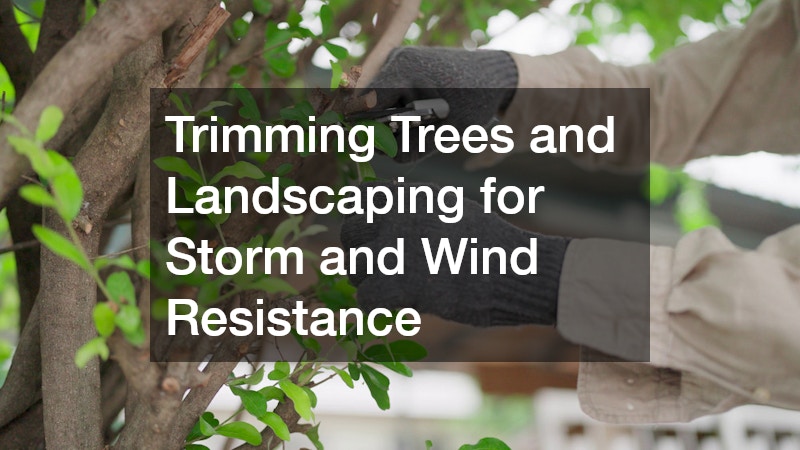
Mature trees add shade and value to a backyard, but overgrown branches become liability during storms, high winds, or heavy snow loads. Limbs that hang over patios, sheds, or pool equipment can cause serious damage if they break during a storm, and root systems left unchecked can also interfere with drainage lines and foundations. Routine tree trimming keeps canopies balanced and reduces the wind resistance that causes trees to topple or snap during severe weather.
Beyond storm prep, healthy trees also affect pest activity and structural safety around your home. Overgrown branches touching rooflines give pests direct access to attics and eaves, so keeping vegetation trimmed back is both a maintenance and a prevention strategy.
- Trim dead or weak branches before hurricane or storm season
- Keep branches at least ten feet from rooflines and structures
- Inspect trees after major storms for hidden cracks or leans
- Remove invasive root systems near patios and foundations
Controlling Pests That Thrive in Your Regional Climate
Every climate has its own pest pressures, from termites in humid southern states to rodents seeking shelter in colder regions during winter. Coastal areas often deal with ants and wood-boring beetles drawn to moisture, while arid regions attract scorpions and spiders looking for shade. Knowing which pests are common to your area helps you choose the right materials and prevention strategy before problems start. Backyard structures like decks, sheds, and fences create ideal hiding spots if they are not properly sealed or maintained. Gaps under decking, unsealed shed foundations, and wood-to-soil contact on fences are especially inviting to termites and rodents alike. Simple measures — such as elevating structures a few inches off the ground, using treated lumber, and sealing joints with weatherproof caulk — can significantly reduce the risk of infestation. Seasonal timing matters too. In many regions, termite swarms peak in spring, while rodents look for winter shelter as temperatures drop in fall, so inspections timed around these shifts catch problems early. Partnering with a pest control service familiar with your region helps you stay ahead of seasonal surges rather than reacting after an infestation has already taken hold. A knowledgeable pest control provider can also recommend preventive treatments, like perimeter barriers or bait stations, tailored to your specific climate and backyard layout.
Prevention often comes down to simple habits rather than heavy chemical treatments. Keeping woodpiles elevated at least 6 inches off the ground and 20 feet from the house denies termites and carpenter ants easy access to your structure. Sealing gaps in decking, siding, and foundation lines with caulk or steel wool closes off entry points that rodents and insects use to nest in warmer or wetter regions. Standing water deserves special attention, especially in humid climates where mosquitoes can complete their breeding cycle in as little as a week. Clearing gutters, tilting birdbaths to drain fully, and grading soil away from patios prevents the pooling that attracts them. In drier climates, conversely, pests like scorpions and spiders often seek out the one damp corner of a yard, so eliminating leaks from hoses or AC units removes their main draw. Regional plant choices also factor in—dense mulch beds retain moisture that attracts slugs and roaches in humid zones, so switching to gravel or thinning mulch depth to 2-3 inches can help. Taken together, these small adjustments do more long-term work than periodic spraying, since they remove the food, water, and shelter pests need rather than just knocking back their numbers temporarily.
- Seal gaps around deck posts and foundation lines with caulk or steel wool, since quarter-inch openings are enough for rodents and insects to enter
- Store firewood at least twenty feet from structures and off the ground to discourage termites, carpenter ants, and nesting rodents
- Address standing water quickly to prevent mosquito breeding, checking gutters, planters, and low spots after every rain
- Trim vegetation and tree branches back from siding and rooflines to remove bridges that ants, roaches, and rodents use to reach your home
- Choose pest-resistant materials like composite decking or treated lumber in termite-prone or humid climates
- Schedule seasonal inspections in high-humidity or wooded regions, focusing on spring and fall when pest activity peaks
Coordinating Larger Backyard Projects With the Right Professional
Many backyard climate problems overlap, meaning a drainage issue might also affect your deck, your pool equipment, and your landscaping all at once. Rather than hiring separate contractors for every piece, many homeowners find it more efficient to bring in a general contractor who can assess the whole space and sequence the work correctly. This is especially useful when a project involves structural changes, permits, or coordinating multiple trades in a short window.
A good contractor will also factor in your local climate data, building codes, and seasonal timing when planning a project, which helps avoid costly mistakes like pouring concrete before a freeze or installing a structure without proper wind bracing.
- Ask about experience with climate-specific building codes in your area
- Request a project timeline that accounts for seasonal weather windows
- Get multiple quotes for large, multi-system projects
- Confirm permits are handled before major structural work begins
Building a backyard that survives your local climate is less about any single upgrade and more about how all the systems work together through every season. Start by identifying which elements in your space are most exposed to your region’s toughest weather, then address those first before moving on to cosmetic improvements. With the right materials, regular maintenance, and the right professionals involved at the right stages, your backyard can handle whatever the weather brings for years to come.
