

When the forecast turns ominous, most homeowners think about boarding up windows and stocking flashlights, but the real damage often happens outside, in the yard, on the roof, and around the systems that keep a property running. A backyard that looks fine on a calm afternoon can become a liability once high winds, heavy rain, or flooding move in. Taking stock of trees, drainage, structures, and utilities before the next storm hits can mean the difference between a quick cleanup and a costly repair bill.
This guide walks through the key areas worth checking now, while the weather is still calm enough to act.
Inspect Trees and Overhanging Limbs Before They Fail
Trees are often the biggest hidden threat in a backyard during a storm, and most homeowners underestimate how quickly a healthy-looking limb can snap under wind pressure. Dead branches, cracked trunks, and limbs hanging over the roofline or power lines should be addressed well before storm season peaks. Professional tree services can assess which limbs pose a real risk and remove them safely, without damaging nearby structures or fences in the process.
Beyond removal, regular trimming keeps trees from becoming wind sails that catch gusts and topple entirely. A certified arborist or crew offering tree services can also spot early signs of root rot or disease that make a tree more likely to fall during heavy rain when soil becomes saturated.
- Look for cracks, splits, or fungus at the base of the trunk
- Trim branches that hang within ten feet of the roof or power lines
- Remove any tree leaning noticeably more than in previous years
- Schedule a professional inspection annually, not just after damage occurs
Check the Roof and Metal Components for Weak Spots
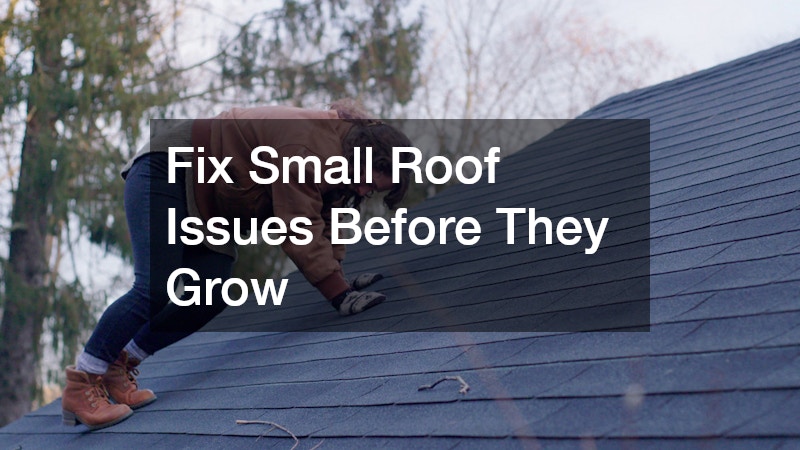
A roof that has gone unchecked for a year or more can hide loose flashing, rusted fasteners, or worn seams that only reveal themselves once wind-driven rain finds a way in. For homes with metal roofing, it is worth having metal roofing installers inspect seams and panel edges, since these are the areas most likely to loosen over time and allow water intrusion during a severe storm. Catching a small issue now is far cheaper than replacing water-damaged insulation or drywall later.
Metal roofing tends to hold up well against hail and wind compared to asphalt shingles, but only if it was installed correctly and has been maintained. If the panels show signs of fading, chalking, or surface rust, a metal painting company can apply a protective coating that extends the life of the roof and improves its resistance to moisture without the cost of a full replacement.
- Check for loose or missing fasteners along panel seams
- Look for rust spots, especially near valleys and edges
- Confirm flashing around chimneys and vents is sealed tightly
- Ask about protective coatings if the roof is more than ten years old
Address Chimney and Masonry Vulnerabilities
Chimneys take a beating from wind and rain, and cracks in the mortar or a damaged cap can let water seep into the chimney structure and eventually into the attic. A reputable chimney repair company can identify deteriorating mortar joints, loose bricks, or a compromised crown before a storm turns a small crack into a major leak. This is especially important for older homes where the masonry has had decades to weather.
A damaged chimney does not just risk water intrusion; it can also become a falling hazard if bricks loosen during high winds. Scheduling an inspection every couple of years helps catch these issues early, and repairs are typically far less expensive than dealing with structural damage after a storm has already made things worse.
- Inspect the chimney cap for rust or gaps
- Look for white staining, which signals moisture penetration
- Check mortar joints for crumbling or missing sections
- Have a professional evaluate the flue liner if the chimney is decades old
Secure or Reinforce Above Ground Pools

An above ground pool can turn into a serious problem during a major storm if it is not properly secured, since heavy rain can overfill it and wind can shift lightweight components or covers. Homeowners should check that the pool’s structure, including the frame and wall supports, is stable and not showing signs of rust or warping. Reputable above ground pool companies can evaluate whether the current setup meets wind and rain load expectations for the region, particularly in areas prone to tropical storms.
Draining the pool slightly before a major storm can prevent overflow, while securing loose ladders, covers, and pumps reduces the chance of debris becoming projectiles in high wind. It is also worth checking that electrical connections for pool pumps are properly grounded and elevated above potential flood lines.
- Lower water level slightly before an incoming storm
- Secure or remove pool covers, ladders, and floats
- Check the frame for rust or structural weakness
- Confirm electrical components are grounded and elevated
Confirm the Septic System Can Handle Heavy Rain
Heavy storms often bring saturated ground, and a septic system that is already near capacity can back up or fail when the drain field becomes flooded. Scheduling septic pumping before storm season reduces the risk of overflow and gives the system more capacity to handle the added water from heavy rainfall. This is a simple, affordable step that many homeowners overlook until there is already a problem.
Signs that a septic system needs attention include slow drains, gurgling pipes, or a soggy patch of lawn near the drain field. If any of these signs are present, it is worth scheduling septic pumping well ahead of the next major weather event rather than waiting until the system is under stress.
- Watch for slow drains or gurgling sounds in pipes
- Check for standing water or unusual odor near the drain field
- Avoid heavy water use right before or during a storm
- Keep the septic tank lid accessible in case of emergency service
Evaluate Outbuildings and Mobile Structures for Storm Readiness
Sheds, workshops, and mobile homes often need extra attention before a storm because they are typically less structurally reinforced than a primary residence. For manufactured housing, a mobile home remodel that includes reinforced skirting, updated anchoring straps, and sealed window frames can significantly reduce the risk of wind damage. These upgrades are especially valuable in regions that see frequent high wind events or hurricanes.
Beyond structural reinforcement, it is worth checking that any attached decks, awnings, or carports are properly bolted down, since these structures can become dangerous debris if wind gets underneath them. A thorough walk-around before storm season helps identify weak points that are easy to miss during everyday use.
- Check anchoring straps and tie-downs on mobile structures
- Inspect skirting for gaps that allow wind to get underneath
- Secure or store loose items like ladders, tools, and furniture
- Reinforce carports and awnings with additional bracing if needed
Keep Pests From Compounding Storm Damage
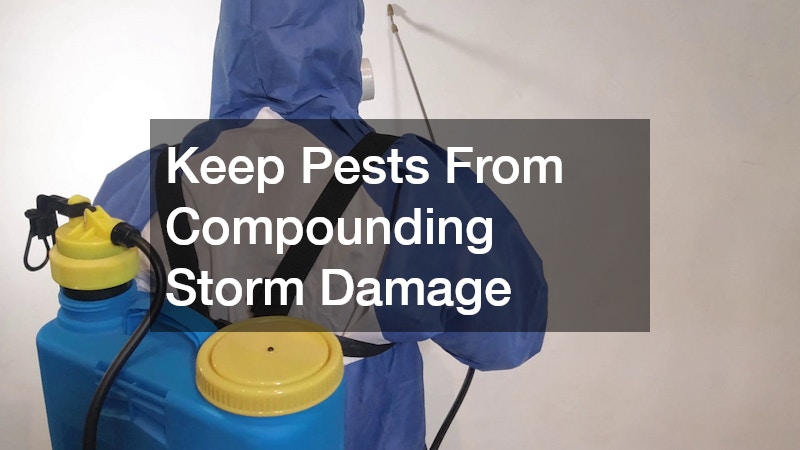
Storms create the perfect conditions for pest problems, since heavy rain and flooding often drive rodents, termites, and insects toward higher, drier ground, which frequently means someone’s home. As standing water recedes, displaced ants, cockroaches, and even snakes will seek out dry crawl spaces, garages, and foundation cracks, so a surge in sightings right after a storm is common and shouldn’t be ignored.
Scheduling pest control services before storm season can help seal entry points and treat vulnerable areas before pests have a reason to invade. A pre-season inspection typically checks for gaps around utility lines, vents, and siding, along with early termite activity or nesting sites near the foundation that could go unnoticed until damage is already underway.
This is particularly important for wood-framed structures where moisture and pests together can accelerate rot. Termites and carpenter ants are drawn to water-softened wood, and once they establish colonies in damp framing or decking, structural repairs can become far more extensive and costly than a simple treatment would have been.
It’s also worth having your property reassessed after a major storm, even if you treated it beforehand. Flooding can wash away treated soil barriers or create new moisture pockets, so a follow-up visit ensures those protections are still doing their job.
Storms don’t just damage structures — they create ideal breeding grounds for pests. Standing water in gutters, tarps, or low-lying yard spots can attract mosquitoes within as little as four days, while displaced rodents and insects often seek shelter in the nearest dry, undisturbed area they can find: your home. Having a plan in place before the storm hits means you’re not scrambling to identify and treat problem spots while also dealing with cleanup.
Regular treatment from pest control services keeps colonies from establishing themselves in vulnerable areas like attics, crawl spaces, and woodpiles near the home. A licensed technician can also spot early warning signs — like termite mud tubes, rodent droppings, or nesting material — that homeowners often miss until an infestation is already underway.
It’s worth scheduling a post-storm inspection even if you don’t see obvious damage. Cracked foundations, torn screens, and gaps around utility lines are all easy entry points that storms tend to create or worsen, and pests are quick to exploit them.
- Seal gaps around foundation vents, utility lines, and dryer vents with steel wool or caulk—storms drive rodents and insects indoors seeking shelter
- Remove standing water sources like clogged gutters, saucers under planters, and low spots in the yard that attract mosquitoes within 3-4 days
- Treat woodpiles and outdoor storage areas regularly, keeping wood stacked at least 20 feet from the house and off the ground
- Schedule a pre-storm inspection for termites and rodents, focusing on crawl spaces, attics, and areas where past moisture damage occurred
- Trim tree branches away from the roofline to eliminate easy access points ants and squirrels use during heavy wind events
- Check weatherstripping on doors and windows, since gaps here become prime entry points once flooding or debris disturbs surrounding soil
Upgrade Home Monitoring With Automated Systems
Knowing what is happening at home during a storm, especially when you are not there, can save valuable time when it comes to preventing damage. A smart home automation company can install sensors that detect water leaks, power outages, or unusual temperature changes, sending alerts directly to a phone so problems can be addressed quickly. This kind of real-time monitoring is especially useful for basements, crawl spaces, and areas near the septic system or sump pump.
Many of these systems can also control storm shutters, exterior lighting, and security cameras remotely, giving homeowners a clearer picture of their property’s condition during severe weather without stepping outside. Investing in this kind of monitoring adds a layer of protection that traditional storm prep alone cannot provide.
- Install water sensors near sump pumps and low-lying areas
- Set up remote alerts for power outages or temperature spikes
- Use smart cameras to monitor the yard during active storms
- Automate exterior lighting for safer nighttime storm response
Plan a Safe Space With Reinforced Shelter Options

For homeowners in regions prone to tornadoes or severe hurricanes, having a dedicated safe space can be the most important storm preparation of all. Storm shelters, whether installed below ground or as reinforced safe rooms within the home, provide a level of protection that simply hiding in a hallway cannot match. These structures are built to withstand extreme wind speeds and flying debris, which are often the leading causes of injury during severe storms.
When planning for storm shelters, it is worth considering proximity to the main living area, ventilation, and enough space for every household member plus pets. Many local building departments offer guidance on the best placement and specifications, and combining this with the rest of a storm readiness plan rounds out a property’s overall resilience.
- Choose a location within quick access from main living areas
- Ensure proper ventilation and emergency lighting
- Stock basic supplies like water, first aid, and a radio
- Check that the structure meets local wind resistance standards
Storm damage is rarely the result of one single failure; it is usually a combination of small, overlooked issues that compound once severe weather arrives. By walking through trees, roofing, masonry, pools, septic systems, outbuildings, pest vulnerabilities, and monitoring systems now, homeowners can catch problems while there is still time to fix them affordably. The next big storm is not a matter of if but when, and a little preparation today can prevent a lot of stress and expense later. Start with the areas that feel most vulnerable on your own property, and work through the rest before the skies turn dark.
