

A backyard that looks great in June but turns into a mud pit, a mosquito breeding ground, or an ice-covered hazard by January isn’t really finished. Building outdoor space that holds up in every season means thinking beyond patio furniture and planting beds to the systems working underneath and around your home. Before you sink money into the fun stuff, it helps to understand where the real dollars go and why some of the least glamorous line items matter most. This guide breaks down the true costs behind a backyard that functions in July heat, October rain, and February frost alike.
Sizing Up Your Home Comfort Systems Before You Build Outward

A backyard renovation often gets people thinking about their home’s mechanical systems for the first time in years, and that’s a good thing. If your outdoor living space includes a covered patio or converted sunroom, the temperature control for that space matters just as much as the furniture you pick. Many homeowners are turning to a ductless mini split system for these add-on spaces because it heats and cools without requiring new ductwork tied into the main house. It’s a flexible option that keeps a three-season room usable in nearly every season instead of just spring and fall.
Beyond the addition itself, a backyard project is a natural moment to evaluate your whole-house cooling setup. Summer entertaining puts extra strain on aging equipment, and a system that’s already struggling will only get worse once you’re running it harder for guests. Getting a quote from established AC companies before peak season hits gives you leverage to negotiate and avoid emergency pricing later.
- A ductless mini split typically costs less to install than extending central ductwork to a new outdoor-adjacent room
- Sizing matters more than brand name when it comes to comfort and efficiency
- Off-season quotes from cooling providers tend to run lower than midsummer emergency calls
- Ask about maintenance plans that catch small issues before they become costly repairs
Protecting the Structure That Covers Your Outdoor Living Space
If your backyard vision includes a covered porch, pergola with a solid roof, or an attached patio structure, the roofing material over that space needs to handle sun, hail, and heavy rain without failing early. These low-slope structures take a different kind of beating than a traditional pitched roof, and cutting corners here often shows up as leaks, sagging, or discoloration within just a few years. A qualified PVC roofing contractor can install a membrane that resists ponding water, a common issue on the low-slope roofs found over patios and porticos. Standing water left unaddressed for 48 hours or more can accelerate wear, promote algae growth, and eventually lead to leaks around seams and flashing. PVC membranes are heat-welded at the seams, creating a watertight bond that holds up far better than adhesive strips or overlapping shingles on a nearly flat surface. This material also reflects heat rather than absorbing it, which keeps the space below noticeably cooler in summer months. Many PVC roofing products carry a solar reflectance rating well above 80%, meaning less heat transfers into the structure and, by extension, into your outdoor seating or dining area. Over a full season, that reflectivity can make the difference between a patio that’s usable at 2 p.m. and one that only feels comfortable after sunset. Beyond comfort, a properly installed PVC roof typically comes with a 15- to 20-year warranty, which is worth factoring into your overall backyard budget as a long-term investment rather than a one-time expense.
It’s worth having a broader roofing conversation at the same time, since a new backyard structure ties into your existing roofline in most cases. Whether you’re adding a covered patio, a pergola with a solid roof, or a full sunroom, the point where that new structure meets your house is the single most vulnerable spot for water intrusion. Reputable Roofing Contractors will look at how the new addition drains, flashes, and ties into the main house rather than treating it as a separate project. This means examining details like step flashing along the roofline, proper counterflashing where the new roof meets siding, and whether the existing shingles or roofing material need to be pulled back and re-integrated rather than just caulked over. It also means checking that water has somewhere to go — gutters, downspouts, or grading — instead of pooling at the junction. A rushed installer might glue or seal the seam and call it done, but that approach almost always fails once seasonal freeze-thaw cycles or heavy rain get involved. Cutting corners here is one of the most common reasons homeowners end up with leaks inside their house within a year or two of finishing a backyard build. Repairing hidden water damage behind drywall or in an attic space typically costs far more than the few hundred dollars it would have taken to flash the connection correctly the first time. Budgeting for a proper tie-in now is one of the cheapest forms of insurance your backyard project will ever buy.
- Low-slope and flat roof sections (under a 2:12 pitch) need membrane materials like TPO or modified bitumen instead of standard asphalt shingles, which will fail fast under standing water
- Flashing where a new structure meets the existing roof is a frequent failure point if rushed — insist on step flashing tied into a proper drip edge, not just a bead of caulk
- Budget for kickout flashing at rooflines that channel water toward a wall, since this small piece prevents most hidden rot claims
- Ask any contractor for references specific to patio covers or outdoor structures, not just full roof replacements
- Get the tie-in point inspected before drywall or ceiling panels go up, since that’s your last easy chance to catch a leak source
- Factor in local snow load and wind uplift ratings if your covered space spans more than 12-15 feet, as undersized framing shows up as sagging within a few seasons
Choosing Windows and Doors That Handle Temperature Swings
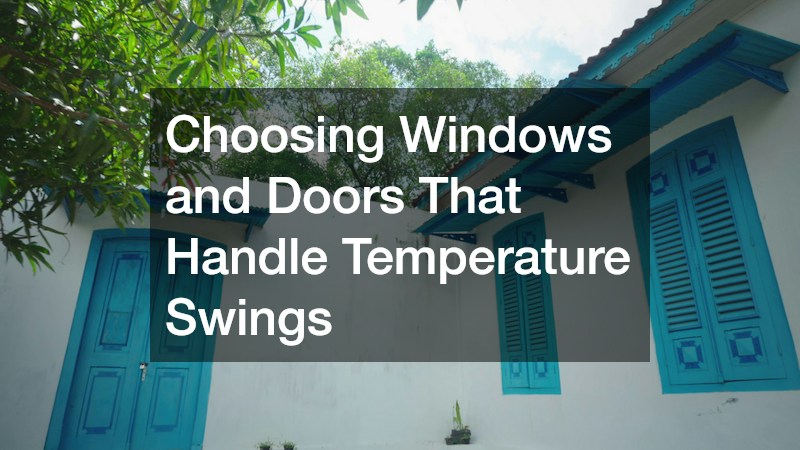
A backyard that works year round usually connects to the house through sliding doors, French doors, or a wall of windows, and those openings are often the weakest point for temperature control. Old single-pane windows near a new patio door can undo a lot of the comfort gains from other upgrades, letting heat in during summer and cold air in during winter. Investing in window replacement for the rooms facing your backyard pays off twice: once in energy bills and once in how comfortable the transition space actually feels.
Timing this work alongside your backyard project also saves money, since contractors are often already on site and can coordinate deliveries and labor. Double or triple-pane options with low-E coatings make the biggest difference in climates with real seasonal swings. Homeowners who skip this step often find themselves closing off their new outdoor space for half the year simply because the adjoining room never feels comfortable.
Keeping Vehicle and Storage Access Functional Through Every Season
Backyard projects frequently expand into driveway and garage areas, especially when homeowners are adding storage for lawn equipment, patio furniture, or seasonal decor. If your garage takes on more use as a staging area for outdoor living, an aging garage door can become a real liability, especially one that doesn’t seal well against wind-driven rain or snow. Professional garage door installation ensures proper insulation and weather stripping, which matters more than people expect once that space becomes an extension of daily outdoor life.
A well-installed door also affects the security and resale value of the whole property, not just convenience. Homeowners often underestimate how much heat or cold transfers through an old door into an attached garage, indirectly affecting nearby living spaces too. Replacing it during a larger backyard overhaul is usually more cost-effective than treating it as a standalone project later.
- Insulated doors reduce temperature transfer into attached garages significantly
- New openers often include smart features useful for a busier, more active backyard lifestyle
- Weather seals should be inspected annually regardless of the door’s age
Designing an Outdoor Structure Built for Real Use

The centerpiece of most backyard transformations is a deck or elevated platform, and this is where quality of construction really shows over time. Working with experienced custom deck builders rather than a generic contractor makes a measurable difference in how the structure handles freeze-thaw cycles, heavy rain, and constant sun exposure. Composite materials have become popular precisely because they resist the warping and splintering that plague lower-grade wood decks after just a couple of seasons.
Layout matters just as much as material choice when planning for year-round use. A deck positioned to catch afternoon shade in summer but still get sun in winter extends its usable months considerably, and a good builder will factor this into the design rather than just following the shape of the yard. Built-in features like seating walls or pergola framing also add function without requiring separate furniture that has to be stored every winter.
- Composite and PVC decking generally outlast pressure-treated wood in wet climates
- Proper footing depth prevents heaving during freeze-thaw cycles
- Built-in lighting extends usable hours into fall and winter evenings
- Ask about warranty coverage for both materials and labor separately
Managing Water Flow So Your Yard Doesn’t Flood or Erode
Drainage is one of the least exciting parts of backyard planning and one of the most important. A yard that pools water after every rain becomes unusable for months and can eventually damage your foundation or any structures you’ve built. Grading the yard properly before installing hardscaping, and adding French drains or dry wells where needed, prevents the kind of standing water that turns a nice space into a swamp every spring.
Standing water doesn’t just damage plants and structures, it also creates conditions that attract pests almost immediately. Addressing drainage early actually reduces how much you’ll need to spend later on pest control, since eliminating breeding grounds is more effective than treating symptoms after the fact. A landscape architect or drainage specialist can usually identify problem areas with a simple site visit before any construction begins.
- French drains redirect water away from foundations and low spots
- Downspout extensions are a low-cost fix often overlooked during bigger projects
- Regrading may be necessary if water consistently pools within ten feet of the house
Controlling Pests So the Yard Stays Usable All Summer

Even a beautifully designed backyard is worthless if nobody wants to sit in it during peak mosquito season. Standing water, dense underbrush, and overgrown grass all contribute to mosquito populations that can make evenings outside miserable from June through September. Professional mosquito removal services target breeding sites directly, using treatments that reduce populations for weeks at a time rather than offering the temporary relief of citronella candles or store-bought sprays.
Combining professional treatment with a few habit changes around the yard extends the results considerably. Removing standing water sources like clogged gutters, unused planters, or low spots in the lawn cuts down on new breeding grounds between treatments. Homeowners who invest in both structural drainage fixes and seasonal pest control tend to get the most consistent results throughout the warmer months.
- Treatments typically need reapplication every three to four weeks during peak season
- Removing leaf litter and dense ground cover reduces resting spots for adult mosquitoes
- Standing water sources should be checked weekly during summer
Protecting the Plumbing Systems That Support Outdoor Living
Adding an outdoor kitchen, extra bathroom, or additional water features puts real demand on plumbing systems that many homeowners haven’t thought about since they bought the house. A single outdoor kitchen sink and dishwasher hookup, for instance, can add hundreds of gallons of weekly usage to a sewer line that was sized decades ago for a much smaller household. Older sewer lines can struggle with this increased usage, especially clay or cast-iron pipes installed before the 1980s that were never built to handle modern water demands. Tree roots from new backyard landscaping sometimes find their way into aging pipes within just a couple of years, particularly fast-growing species like willows, maples, or poplars planted near existing sewer lines. Even small hairline cracks give roots an entry point, and once inside, they expand quickly enough to cause backups or full blockages before homeowners notice any warning signs. Scheduling sewer cleaning before starting major landscaping work helps identify problems while they’re still manageable rather than after a backyard full of new plants and hardscaping is already in place. A camera inspection paired with sewer cleaning typically costs a few hundred dollars, a small price compared to tearing out a finished patio or paver installation to reach a collapsed line. Planning this step early also gives homeowners a chance to reroute new plantings away from vulnerable pipe paths, saving both money and future headaches.
Homes on septic systems face a related but distinct set of concerns when backyard usage increases. More guests, more water use, and construction traffic near the septic field can all stress a system that was sized for a quieter household. A tank designed for a family of four suddenly handling weekend cookouts for twenty people is working well beyond its intended capacity. Construction adds another layer of risk. Heavy equipment driving over or near the drain field can compact the soil, crack pipes, or crush the field’s aggregate layer, and repairing that kind of damage almost always costs more than the excavation work that caused it. Marking the field’s boundaries clearly before any digging, grading, or paver installation begins is a simple step that prevents a very expensive mistake. Routine septic pumping before and after a major project protects the system from the added strain and helps avoid the expensive, disruptive repairs that come with field failure. Most residential tanks need pumping every three to five years depending on household size, but a project year with heightened use justifies moving that timeline up. Pairing the pumping with a visual inspection of the tank’s baffles and the drain field’s condition gives homeowners a clear picture of what the system can realistically handle before the new patio furniture and outdoor kitchen start seeing regular use.
- Root intrusion is one of the most common causes of slow drains in older homes, especially near mature trees like willows, maples, and oaks planted within 10 feet of sewer lines
- Septic systems generally need pumping every three to five years depending on household size, with larger families or homes with garbage disposals often needing it closer to the three-year mark
- Avoid heavy equipment or new plantings directly over septic fields, since compacted soil and aggressive root systems can crack pipes or clog drainage lines
- Keep patios, sheds, and pools at least 10-15 feet away from the septic tank and drain field when planning backyard layouts
- A camera inspection can catch pipe issues before they cause backyard damage, typically costing $150-$500 but saving thousands in excavation repairs
- Mark septic tank and leach field locations before any digging, deck installation, or irrigation project to avoid costly accidental damage
A backyard that truly works in every season is built on decisions most people never see once the furniture goes out and the string lights go up. Getting the roofing, windows, drainage, plumbing, and comfort systems right first means the visible upgrades actually last and get used. Start by walking your property and honestly assessing which of these systems are aging, undersized, or already showing warning signs. Addressing those foundational pieces before you invest in the finishing touches is the real budget conversation worth having.
