
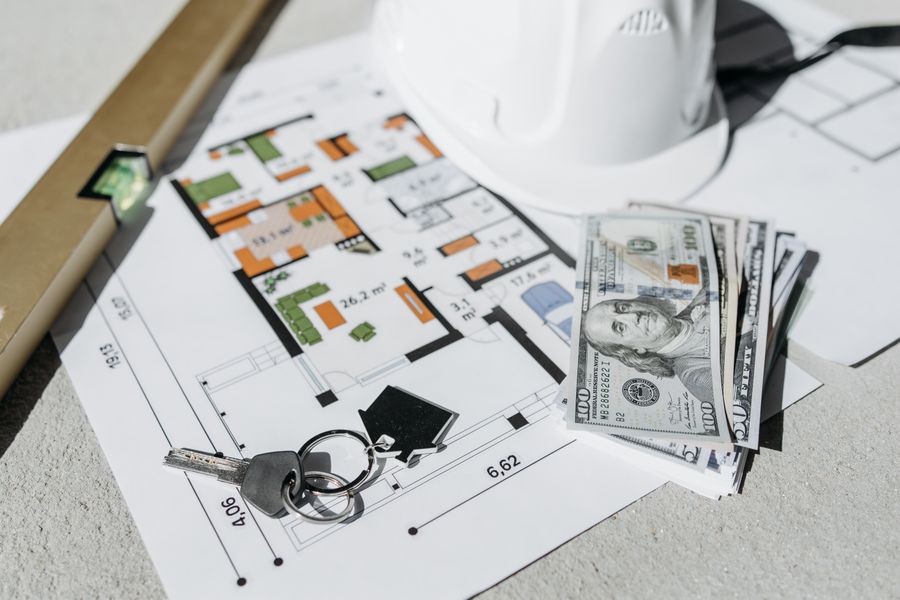
Key Takeaways
- Kitchen and bathroom updates consistently deliver the strongest returns among interior projects, with minor midrange kitchen refreshes outperforming full gut renovations on a cost-recovery basis.
- Cash savings offer the cheapest path forward, but HELOCs, home equity loans, cash-out refinances, and personal loans each fit different budgets, timelines, and risk tolerances.
- Prioritize cosmetic and mid-range upgrades over luxury overhauls, since buyers rarely reimburse sellers for premium finishes in average neighborhoods.
- Sequence matters: tackling structural and mechanical work before cosmetic updates protects your investment and prevents expensive rework.
- Energy-efficient improvements like insulation, LED lighting, and updated HVAC systems lower utility bills now and appeal to future buyers.
- Overpersonalized design choices can shrink your resale pool, so neutral palettes and classic materials tend to age better financially.
- Comparing interest rates, fees, and repayment terms across lenders can save thousands over the life of a renovation loan.
Walk into any open house, and you can usually tell within seconds whether the owners invested in the inside of their home. Fresh paint, updated cabinetry, and modern lighting change how a space feels, and that emotional pull translates directly into offers. Buyers are not just purchasing square footage. They are purchasing a lifestyle, and interior finishes carry most of that story.
Return on investment, often shortened to ROI, measures how much of your renovation spending comes back when you sell. Some projects recoup a surprising share of their cost, while others barely move the needle. The difference usually comes down to scope, material choices, and whether the update addresses something a typical buyer actually cares about.
Research from the construction industry backs this up year after year. According to CRS Construction’s analysis of the 2025 Cost vs. Value Report, a minor midrange kitchen refresh now recoups nearly 113% of its cost, turning a $28,458 project into roughly $32,141 in added resale value. That kind of return is rare, and it exists because the project targets exactly what buyers notice first.
Setting a Realistic Budget Before You Swing a Hammer
The fastest way to lose money on a renovation is to start without a complete budget. Contractors frequently see homeowners underestimate total costs by 20% or more because they forget about permits, disposal fees, design services, and the inevitable surprises hiding behind drywall. A sensible plan assumes a contingency fund of 10 to 20% on top of the headline estimate.
Start by separating needs from wants. A failing roof or outdated electrical panel is not optional. A waterfall quartz island is. When you rank every item on the wish list, you create room to cut smartly if bids come in high. Homeowners who build in this flexibility almost always end up happier with the final result because they avoid the panic-cut decisions that lead to cheap materials and rushed work.
How to Build a Line-Item Estimate
A real budget breaks down into specific categories rather than one lump sum. Include labor, materials, permits, design fees, appliances, finishes, and temporary living expenses if the work displaces you. For families thinking long term, considering how the layout supports life changes matters as much as upfront cost, which is why designing for growing families often shapes which rooms get priority funding.
Once you have the line items, request at least three contractor bids and compare them against each other, not against your hopes. If one bid is dramatically lower, treat it as a warning sign rather than a bargain.
Ways to Fund Your Renovation Project
Paying cash is the cheapest option because you avoid interest entirely, but most households do not have five or six figures sitting in a savings account. That is where financing enters the picture. Understanding how to finance a home remodel starts with knowing the main products available and matching the right one to your timeline, credit profile, and tolerance for debt.
Here are the most common financing routes homeowners use:
- Home equity loans, which provide a lump sum at a fixed interest rate using your home as collateral
- Home equity lines of credit, or HELOCs, which work like a credit card secured by your home
- Cash-out refinances, which replace your existing mortgage with a larger one and give you the difference
- Personal loans, which are unsecured, faster to obtain, and typically carry higher interest rates
- Credit cards with introductory 0% APR offers, best suited for small, short-term projects
- FHA 203(k) or Fannie Mae HomeStyle loans, which bundle purchase and renovation costs together
Each option has trade-offs. Secured loans against your home usually offer the lowest rates but put the property at risk if you default. Unsecured products protect the home but cost more. A good lender or financial advisor will walk you through amortization schedules so you can see the total cost over time, not just the monthly payment.
Kitchens: The Highest-Impact Interior Room
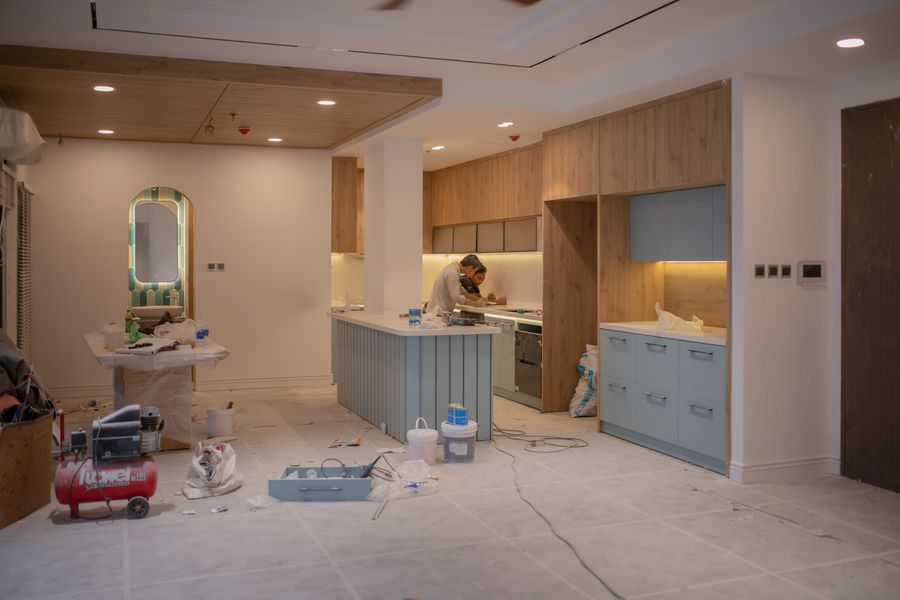
The kitchen is where ROI conversations always begin, and for good reason. It is the room buyers scrutinize first, and it carries the heaviest emotional weight in a tour. A tired kitchen can sink an entire home’s perceived value, while a fresh one can lift it above comparable listings.
Here is the counterintuitive part: pricey gut renovations rarely pay back as well as modest refreshes. Painting or refacing cabinets, swapping dated hardware, installing a new countertop, and upgrading the sink and faucet can transform the room for a fraction of a full rebuild. When buyers see a clean, current kitchen, they do not ask whether the cabinet boxes are original. They imagine themselves cooking there.
Focus your dollars on these high-visibility updates:
- Cabinet refacing or repainting rather than full replacement
- Quartz or butcher-block counters in neutral tones
- Under-cabinet LED lighting
- A new, energy-efficient dishwasher and range
- Updated backsplash in classic subway or large-format tile
- A deep single-basin sink with a pull-down faucet
If your kitchen layout fundamentally does not work, that changes the calculation. But in most cases, cosmetic home remodeling delivers far better returns than structural reconfiguration.
Bathrooms: Small Spaces, Serious Returns
Bathrooms punch above their weight because they are small, which means every square foot gets noticed. A dated vanity, cracked tile, or rusty fixture signals neglect even in an otherwise beautiful home. Updating these elements costs less than people assume and pays back strongly at resale.
According to Fixr, the national average return on a midrange bathroom renovation now sits at roughly 80% of project cost, meaning a $25,000 project typically returns about $20,000 at sale. That is not a dollar-for-dollar recovery, but combined with the enjoyment of using the space daily, the math works out for most owners who stay in the home a few years before selling.
Prioritizing the Right Fixtures
Not every bathroom update carries equal weight. Replace what is visibly dated first: the vanity, the mirror, the lighting, and the flooring. Keep tile choices neutral and timeless. A frameless glass shower door elevates perception more than almost any other single swap. Water-efficient toilets and low-flow showerheads reduce utility bills while signaling thoughtful maintenance to inspectors and buyers.
Return on Reno estimates a 2026 bathroom renovation costs approximately $25,000 and recoups around 74% at resale, adding about $18,500 in value. The lesson is consistent across sources: bathrooms rarely return every dollar, but they return enough, and they help the whole home sell faster.
Energy Efficiency Updates That Earn Their Keep
Interior efficiency upgrades do not always get the attention that kitchens and baths do, but they can quietly deliver strong returns through lower utility bills and buyer appeal. Insulation, air sealing, smart thermostats, and LED lighting pay back twice: once through monthly savings and again at resale.
Consider upgrading insulation in attics and rim joists, installing a programmable or smart thermostat, replacing incandescent bulbs with LEDs throughout the home, and sealing leaks around windows and doors. Newer HVAC systems are a larger investment but can make a home noticeably more comfortable and reduce running costs by 20 to 40% compared to older units.
Buyers increasingly ask about energy performance. Homes with documented efficiency improvements, lower utility statements, or energy-efficient appliance packages tend to appraise well and sell faster. In certain regions, state and federal tax credits further reduce the net cost of these upgrades, improving the real-world ROI beyond the resale number alone.
Smart Sequencing: The Order That Protects Your Budget
Doing projects in the wrong order is one of the most expensive mistakes a homeowner can make. Painting a room and then discovering that the electrical needs to be redone means tearing out fresh work. Installing new flooring before completing kitchen demolition means replacing damaged planks.
A sensible sequence addresses structural, mechanical, and safety work first. That means roof, foundation, plumbing, electrical, and HVAC before any cosmetic touches. Insulation and drywall come next, then flooring, cabinetry, counters, and finally paint and finishes. Thinking through the full whole home remodeling order before the first contractor arrives saves money, time, and frustration across every subsequent phase.
Sequencing also helps with financing. If you draw from a HELOC in stages, you only pay interest on what you have actually used, which rewards a disciplined timeline. Lump-sum loans, by contrast, start accruing interest immediately, so a well-ordered schedule shortens the window between borrowing and selling if resale is the goal.
Design Choices That Age Well Financially
Trendy finishes photograph beautifully for a year or two, then start to feel dated the moment the next style cycle begins. Buyers notice, and they discount accordingly. Classic choices hold their value because they blend into whatever the current taste happens to be.
Stick with neutral wall colors in warm whites, soft greiges, and muted earth tones. Choose hardwood or luxury vinyl plank flooring in medium tones rather than extreme light or dark finishes. Pick cabinetry in shaker or simple flat-panel styles. Avoid bold tile patterns in permanent installations. Save personality for items that are easy to swap, like rugs, art, light fixtures, and textiles.
Overpersonalization is one of the quietest ROI killers. A purple accent wall, a themed child’s bathroom, or a wine cellar built into a dining room feels wonderful to the owner who installed it and confusing to the buyer walking through. If you plan to sell within five years, every permanent choice should pass a simple test: would a typical buyer in your neighborhood find this neutral enough to keep?
Rooms That Deliver Weaker Returns
Not every interior project deserves renovation dollars, especially if resale is on the horizon. Home offices, converted basements with specialty uses, and highly customized media rooms rarely recover their cost. Buyers want flexible square footage, not someone else’s hobby space.
Primary suite expansions often disappoint on the ROI spreadsheet because the cost of adding square footage outpaces the perceived value gain. Sunrooms, three-season porches, and elaborate built-in office systems also tend to underperform. That does not mean these projects are mistakes if you plan to stay for years and enjoy them, but treat the enjoyment as the return rather than expecting resale to reimburse you.
Matching Scope to How Long You Will Stay
The timeline of your stay should shape every spending decision. Owners planning to sell within two years should stick to cosmetic refreshes and essential repairs. Those staying five to ten years can justify more ambitious kitchen and bath work because they will enjoy the space daily while still benefiting from partial resale recovery. Owners planning to stay fifteen years or more can prioritize comfort, layout, and personal preference, because depreciation and style cycles reset long before they sell.
Comparing Loan Offers Without Getting Burned
Once you have chosen the type of financing that fits your situation, shopping the actual loan takes more work than most borrowers expect. Rate quotes vary widely, and the fine print often hides fees that change the real cost dramatically. Ask every lender for the annual percentage rate, not just the interest rate, so you can see origination fees baked into the comparison.
Pay close attention to these elements before signing:
- Origination fees, appraisal fees, and closing costs
- Prepayment penalties that punish you for paying off the loan early
- Variable versus fixed interest rates and how often variable rates adjust
- The draw period and repayment period on any HELOC
- Whether interest-only payments are allowed during construction
- The total interest paid over the life of the loan, not just the monthly figure
A good practice is to request Loan Estimates from at least three lenders on the same day, since rates move daily. Lenders are required to use a standardized format, which makes side-by-side comparison straightforward. Small differences in rate translate into meaningful dollars across a ten- or fifteen-year repayment schedule.
Funding Choices That Fit Your Project Size
Smaller cosmetic projects under about $15,000 often make sense on a zero-interest credit card promotion or a short-term personal loan, because the interest savings from a secured loan would not justify the closing costs and paperwork. Mid-size projects in the $25,000 to $75,000 range are the sweet spot for HELOCs, which offer flexibility to draw as work progresses. Larger whole-house renovations above $100,000 usually pencil out best with cash-out refinances or renovation-specific mortgages, where the lower blended rate offsets the upfront costs.
Tracking ROI After the Work Is Done
Keeping records of every renovation decision pays off at resale. Save invoices, permits, warranty documents, and before-and-after photos in one organized folder. Appraisers and buyers both respond to documentation, and a clean paper trail supports a higher asking price with less negotiation.
Request a current market valuation from a local real estate agent before and after major projects. The difference between the two figures gives you a real-world ROI number for your specific market, which is far more useful than national averages. Markets vary wildly, and a project that returns 90% in one city might return 60% in another.
Consider periodic refreshes rather than waiting for a full renovation cycle. Repainting every five to seven years, replacing worn hardware, and updating lighting as styles evolve keeps the home feeling current without triggering another major project. Small, consistent investments often outperform one large overhaul when measured across a long ownership period.
Conclusion
Interior updates remain one of the most reliable ways to improve both daily living and long-term financial outcomes, but only when the spending is matched to the right projects, the right finishes, and the right financing tool. Kitchens and bathrooms will keep leading the ROI rankings because they anchor buyer impressions, while quieter work like insulation, sequencing, and neutral design choices protect the value you create. Skipping any of those layers tends to show up later as money left on the table.
The financing side deserves equal attention. Choosing between a HELOC, a home equity loan, a cash-out refinance, or a personal loan is not just a matter of rate shopping. It is a matter of matching repayment structure to project scope and to how long you plan to stay in the house. Borrowers who take the time to model total interest costs, not just monthly payments, almost always end up with more flexibility and less stress through the renovation itself.
Treat every renovation decision as both a lifestyle choice and a financial one. The best projects improve how you live today while quietly building equity for tomorrow, and the homeowners who plan with that dual purpose in mind consistently come out ahead when it is time to sell.
