
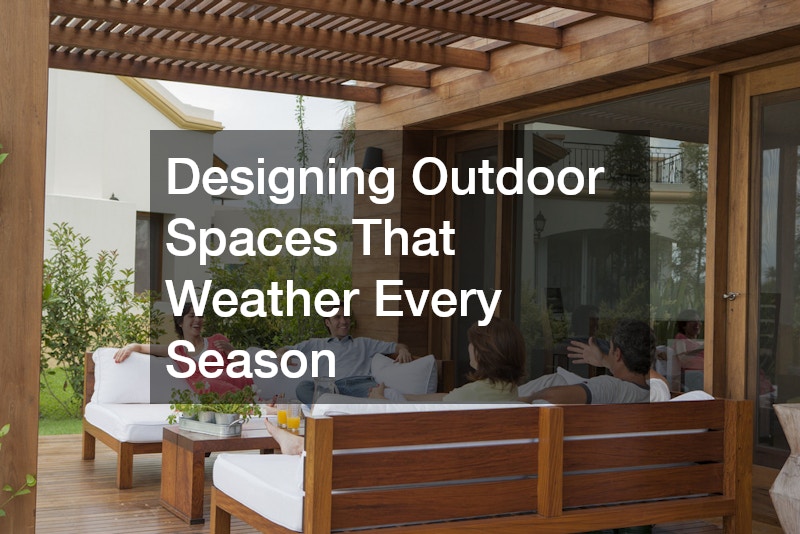
A backyard patio or front walkway has to survive baking summers, driving rain, freezing winters, and everything in between, which means the choices you make today will either hold up for decades or crack, warp, and fade within a few seasons. Designing outdoor spaces for year-round durability is less about picking the prettiest materials and more about understanding how weather actually attacks your property. This guide walks through the key systems and surfaces around your home so you can plan improvements that look good and actually last.
Grading and Drainage Around Your Property
Before you invest in any outdoor feature, the ground beneath it needs to move water away from your home rather than toward it. Poor grading is the hidden cause behind soggy lawns, cracked patios, and even foundation issues that show up years later. Walk your property after a heavy rain and note where puddles collect, since those low spots will need regrading, French drains, or a dry creek bed to redirect flow.
Bringing in quality topsoil, gravel, or mulch is often part of fixing drainage problems, and this is where landscape supply delivery becomes genuinely useful rather than a luxury. Ordering the right blend of fill dirt and crushed stone in one delivery saves multiple trips to a garden center and ensures consistent material across the whole project.
- Slope soil away from the foundation at a minimum of two percent grade
- Use crushed stone or gravel beds under patios and walkways for better drainage
- Consider a dry well for areas that consistently collect standing water
- Clean gutters and downspouts regularly so runoff doesn’t pool near planting beds
Choosing Durable Surfaces for Driveways and Walkways
Your driveway takes more abuse than almost any other surface on your property, from summer heat that softens asphalt to winter freeze-thaw cycles that crack concrete. The right material depends on your climate, budget, and how much maintenance you’re willing to do. Asphalt tends to perform well in colder regions because it flexes slightly, while concrete holds up better in hot, dry climates but can crack if not properly reinforced.
Working with a company that specializes in driveway paving matters more than picking a specific material, since proper base preparation and drainage slope determine longevity far more than the surface layer itself. A driveway installed without adequate gravel base or without control joints to manage cracking will fail early no matter how good the asphalt or concrete mix is. Ask any contractor you’re considering about their base depth, compaction process, and expected lifespan in your specific climate.
- Asphalt typically lasts 15 to 20 years with proper sealing
- Concrete can last 25 to 30 years but requires expansion joints
- Permeable pavers reduce runoff and handle freeze-thaw cycles well
- Always ask about base preparation before comparing price quotes
Fencing That Holds Up to Wind, Sun, and Moisture
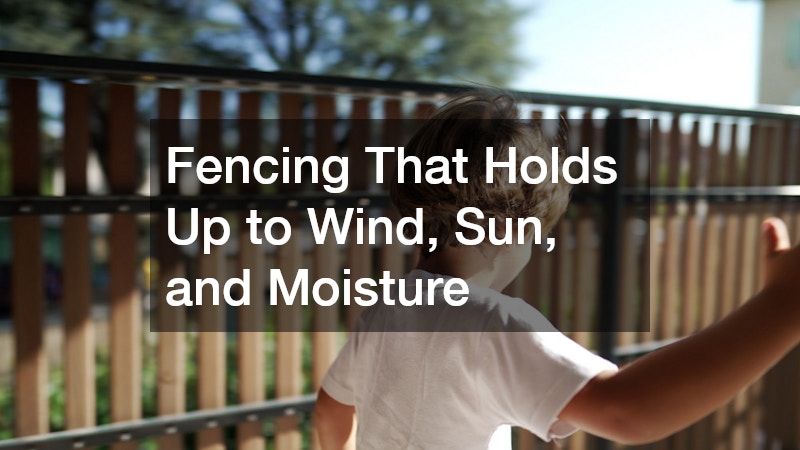
A fence does double duty as both a design feature and a functional barrier against wind, animals, and prying eyes, but not every material weathers well in every climate. Wood fencing looks classic but requires regular staining or sealing—typically every two to three years—to resist rot, warping, and sun damage. Cedar and redwood naturally resist decay better than pine, making them worth the extra upfront cost in wetter climates. Vinyl and aluminum resist moisture better and require far less upkeep, though they come with a higher upfront cost. Vinyl won’t rot, rust, or need repainting, but extreme heat can cause it to warp or become brittle in freezing temperatures, so quality matters more than price in harsh climates.
Aluminum stands up well to coastal, humid conditions since it won’t rust, though it offers less privacy than solid wood or vinyl panels. Wind exposure is another factor worth planning around, especially for open or elevated properties. Solid privacy fences can act like sails in high winds, putting stress on posts and footings, while semi-privacy or picket-style designs let air pass through and reduce strain. Setting posts below the frost line and using concrete footings also helps prevent shifting from freeze-thaw cycles or saturated soil.
A reputable fence company will walk you through how local weather patterns should influence your material choice, not just your budget. Wind load, sun exposure, soil drainage, and freeze-thaw cycles all place different demands on a fence, and the right specifications vary block by block, not just region by region. A knowledgeable installer will ask about your property’s exposure before recommending a material or design. In coastal areas, salt air accelerates corrosion on metal hardware, so stainless steel fasteners and marine-grade coatings are worth the extra expense.
Aluminum and vinyl fencing also tend to outperform untreated steel in these environments, since they resist pitting and rust even with constant salt spray. Even wood fences near the coast benefit from a sealant reapplied every one to two years to keep moisture from creeping into the grain. In regions with heavy snow, taller posts set deeper into the ground — often 36 inches or more below the frost line — help prevent frost heave from pushing fence lines out of alignment over time.
Gravel backfill around footings improves drainage and reduces the freeze-thaw pressure that gradually loosens posts. In high-wind zones, spacing pickets slightly farther apart or choosing a semi-privacy design reduces the surface area catching gusts, lowering the chance of panels warping or blowing loose. Intense sun exposure matters too: dark-stained wood and vinyl in direct southern light can warp or fade faster, so UV-resistant coatings and lighter color choices often hold up better across long, hot summers.
- Cedar and redwood naturally resist rot and insects better than pine, thanks to natural oils, but need re-sealing every 2-3 years to maintain that resistance
- Vinyl fencing holds up well in humid or rainy climates and won’t warp, splinter, or rust, though it can crack in extreme cold
- Aluminum resists rust and corrosion, making it ideal for coastal areas, but can dent under heavy impact from storms or debris
- Steel and wrought iron offer superior wind resistance but require rust-proof coatings, especially in wet or salty climates
- Post depth should extend below the frost line in cold climates, typically 24-36 inches depending on region, to prevent frost heave
- Setting posts in gravel rather than solid concrete improves drainage and reduces moisture pooling around the base
- Choosing corrosion-resistant fasteners, like stainless steel or galvanized screws, prevents premature weakening at joints
Protecting Wood Features From Sun and Moisture Damage
Decks, pergolas, and outdoor furniture take a beating from UV rays and moisture, and untreated wood can gray, splinter, or rot within a couple of seasons. Sealing exposed wood every one to two years is one of the simplest ways to extend its life. Choose a sealant rated for your climate, since products formulated for dry heat perform differently than those made for humid or rainy regions.
Interestingly, the same wear patterns you see outdoors often show up inside the home too, particularly near sliding doors or sunrooms where indoor and outdoor materials meet. If you notice fading or warping on interior wood floors near these transition points, it may be time to look into hardwood floor refinishing to restore both appearance and structural integrity before damage spreads further. Addressing indoor and outdoor wood care together gives your whole property a more cohesive, well-maintained look.
- Reapply sealant or stain every 12 to 24 months depending on sun exposure
- Choose UV-resistant finishes for decks facing south or west
- Inspect for soft spots or discoloration each spring
- Keep gutters clear so runoff doesn’t pool against wood structures
Planning Outdoor Living Spaces With Custom Layouts
Outdoor kitchens, fire pits, and covered patios have become popular additions, but they only perform well long term if they’re designed with your specific site conditions in mind. Wind direction affects where a fire pit or outdoor fireplace should sit, while sun exposure determines whether a pergola needs a solid roof or simple lattice. Working through these details before construction begins prevents costly redesigns later.
For homeowners planning larger additions, bringing in a custom home builder to consult on how the outdoor space connects to the existing structure can prevent water intrusion and mismatched rooflines. A builder familiar with regional codes will also know local wind load and snow load requirements for pergolas, covered patios, and outdoor structures. This kind of upfront planning pays off when severe weather tests the structure years down the road.
- Orient outdoor kitchens away from prevailing wind when possible
- Choose covered structures rated for local snow load if applicable
- Position fire features away from overhanging branches and structures
- Plan electrical and gas lines during initial construction, not after
Keeping Home Systems Ready for Extreme Weather
Outdoor design isn’t only about patios and plants, it also includes the systems that keep your home livable when weather turns severe. Power outages during storms are increasingly common, and a back up generator ensures your HVAC, refrigeration, and sump pump keep running even when the grid goes down. A prolonged outage during a summer heat wave or winter freeze can be more than an inconvenience; it can threaten food safety, pipe integrity, and the comfort or health of vulnerable family members. Sizing a generator correctly depends on your home’s square footage and which systems you want to keep powered during an outage.
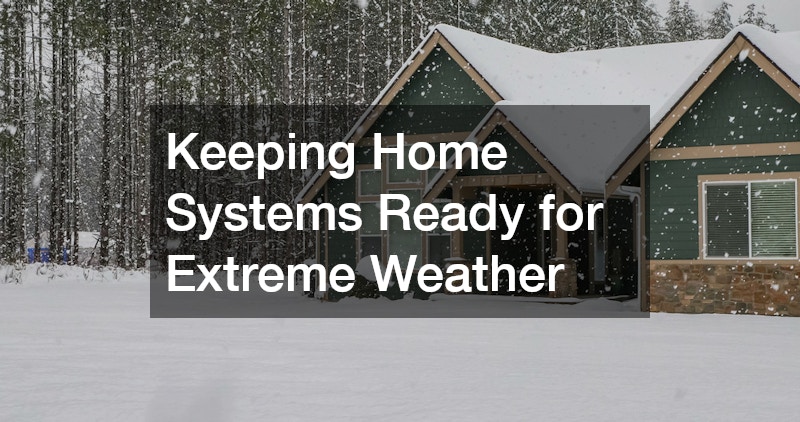
Portable generators in the 5,000 to 7,500-watt range can typically handle essential circuits like refrigeration, a sump pump, and some lighting, while whole-home standby units of 15,000 watts or more can run central HVAC and multiple large appliances simultaneously. It’s worth calculating the startup wattage of items like air conditioners and well pumps, since these draw significantly more power the moment they switch on than during normal operation. Fuel type is another consideration worth planning around. Gas-powered units are widely available and affordable, but propane and natural gas models offer longer shelf life for stored fuel and more consistent performance in extreme cold. Whichever option you choose, scheduling annual maintenance and test runs ensures the system fires up reliably the moment severe weather knocks out your power.
Temperature control is another piece of weather-proofing that’s easy to overlook when focused on landscaping, but it’s just as critical to your home’s resilience. Scheduling HVAC installation or a system tune-up before peak summer or winter months ensures your indoor comfort doesn’t become an emergency during a heat wave or cold snap. Ideally, this means booking service in early spring and early fall, before contractors are slammed with panic calls and before extreme temperatures put added strain on aging equipment. A properly sized system matters just as much as timing.
A unit that’s too small will run constantly and wear out faster, while an oversized one cycles on and off, leaving humidity levels unchecked. Either scenario shortens the lifespan of your equipment and drives up utility bills during the months you need reliability most. That humidity control also protects the parts of your home that bridge indoor and outdoor living. Sunrooms, three-season porches, and rooms with large glass exposure are especially vulnerable to condensation, warped wood trim, and mold growth when humidity swings go unmanaged. Simple additions like a whole-home dehumidifier or smart thermostat with humidity sensors can catch problems before they turn into costly repairs.
- Size a generator based on total wattage needs, not just square footage — add up the running watts for your fridge, sump pump, furnace blower, and a few outlets before shopping
- Choose between portable units (7,000–10,000 watts, manual hookup) and whole-house standby generators that kick in automatically within seconds of an outage
- Test backup power systems twice a year before storm seasons, running them under load for at least 30 minutes to catch fuel or battery issues
- Schedule HVAC tune-ups in spring and fall — spring checks catch refrigerant and coil issues before summer heat, fall visits confirm the furnace and ignition system are ready for cold snaps
- Ask about high-efficiency units if replacing an aging system, since models with higher SEER or AFUE ratings can cut energy costs and handle temperature extremes more reliably
- Keep a folder of maintenance records and warranty info handy, since extreme-weather claims often require proof of regular servicing
Managing Water Access for Irrigation and Outdoor Fixtures
Outdoor kitchens, irrigation systems, and hose bibs all depend on plumbing that’s designed to handle seasonal temperature swings. Pipes that aren’t properly insulated or drained before winter can burst when temperatures drop, leading to costly repairs come spring. Licensed plumbers can install frost-free spigots and backflow preventers that reduce the risk of freeze damage and contamination.
If you’re adding a built-in irrigation system or an outdoor sink as part of a larger landscaping project, it’s worth having a plumbing professional review the layout before digging begins. Rerouting water lines after hardscaping is installed is far more expensive than planning ahead. A quick consultation can also identify whether your home’s water pressure can support additional outdoor fixtures without affecting indoor plumbing performance.
- Drain and insulate outdoor pipes before the first freeze
- Install frost-free hose bibs in climates with hard winters
- Add backflow preventers to protect drinking water from contamination
- Plan irrigation zones based on plant type and sun exposure
Protecting Your Roofline From Seasonal Wear
Your roof takes on more seasonal stress than almost any other part of your home, from hail and heavy rain to ice dams and intense UV exposure. Even small issues like lifted shingles or clogged gutters can lead to water intrusion that damages both the interior and the exterior of your home. Scheduling an annual inspection helps catch problems before they turn into major repairs.
Comparing quotes from a few roofing companies before a repair or replacement is worth the extra time, since materials and workmanship vary widely in quality and price. Ask about warranty coverage, ventilation, and how the crew handles flashing around chimneys and vents, since these details often determine how well a roof performs during severe weather. A roof that’s properly ventilated also helps regulate attic temperature, which indirectly protects outdoor-facing rooms from heat buildup.
- Inspect roofing after major storms for lifted or missing shingles
- Clean gutters at least twice a year to prevent ice dams and overflow
- Ask about ventilation when replacing or repairing a roof
- Request warranty details in writing before signing a contract
Adjusting Window Treatments for Sun, Privacy, and Insulation
The way you dress your windows affects more than curb appeal, it also plays a role in energy efficiency and comfort as seasons change. In summer, blocking direct sunlight reduces indoor heat gain and eases the load on your cooling system. In winter, heavier treatments add a layer of insulation against drafts near glass surfaces.
Choosing the right window coverings for rooms that face outdoor living spaces, like sunrooms or dining areas near a patio, can also protect furniture and flooring from fading due to UV exposure. Look for materials rated for light filtering or blackout performance depending on the room’s orientation and use. Motorized options have become more affordable and offer convenience for hard-to-reach or oversized windows overlooking outdoor spaces.
- Choose light-filtering fabrics for rooms with strong afternoon sun
- Add cellular shades for extra insulation in colder climates
- Consider UV-blocking liners to protect furniture near large windows
- Motorized shades work well for oversized or hard-to-reach windows
Weatherproofing your outdoor spaces isn’t a single project but an ongoing process that touches everything from drainage and paving to roofing, plumbing, and the systems that keep your home running during extreme weather. Taking a whole-property approach, rather than tackling each element in isolation, helps you avoid costly surprises and ensures your investment holds up season after season. Start with the areas showing the most visible wear, get a few professional opinions, and build a maintenance schedule you can actually stick to. With the right planning, your outdoor spaces can stay beautiful and functional no matter what the forecast brings.
