
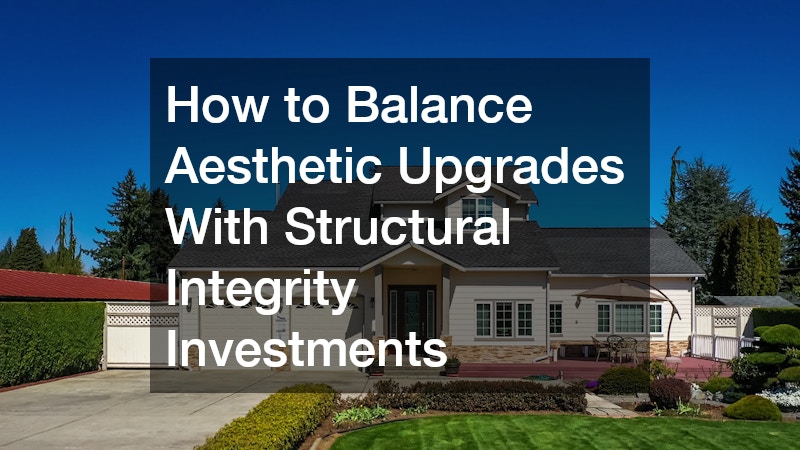
When you picture your dream home, you probably imagine gleaming countertops, a fresh coat of paint, or a beautifully landscaped yard. But some of the most important investments you can make in your property are invisible until something goes wrong. Learning how to balance beautiful upgrades with the structural and mechanical systems that keep your home safe can save you thousands of dollars and a lot of stress down the road. This guide will help you think through both sides of the equation so you can make smart, informed choices about where your money goes.
Why Curb Appeal and Bones of a House Both Matter

Homeowners often focus on the visual details that guests notice first, like a repainted front door or updated light fixtures. These changes matter, especially if you plan to sell soon, because a real estate agent will tell you that first impressions strongly influence a buyer’s perceived value of a home. However, cosmetic polish only goes so far if the underlying structure has problems that inspections will eventually uncover. A truly valuable home strikes a balance between what buyers see and what actually protects their investment long term.
Buyers and appraisers both weigh aesthetics and structural soundness differently, and understanding that distinction helps you prioritize wisely. A home with a stunning kitchen but a failing foundation will struggle in negotiations once a professional inspection reveals the issue. On the other hand, a structurally sound home with dated finishes is usually a much easier and cheaper fix. Keeping both categories in mind from the start prevents costly surprises later.
Setting Priorities Before You Pick Up a Paintbrush
Before diving into any renovation, it helps to separate your wish list into two columns: things that improve appearance and things that protect the home’s function. New light fixtures, fresh paint, and updated cabinetry belong in the first column, while roofing, foundation cracks, and outdated wiring belong in the second. Sorting your list this way early on keeps emotional, style-driven decisions from overshadowing repairs that quietly keep the house standing.
A qualified building contractor can walk through your property and point out which systems are aging or at risk of failure, giving you a clearer picture of what needs attention first. They’ll typically check the roof’s remaining lifespan, signs of foundation settling, plumbing pressure, and the condition of the electrical panel, often flagging issues by urgency rather than just cost. This kind of professional input turns a vague sense of “the house feels tired” into an actionable list ranked by risk.
This kind of assessment often reveals issues homeowners didn’t even know existed, such as minor water intrusion, electrical wear, or insulation gaps behind newly painted walls. Left unaddressed, problems like these tend to compound; a small roof leak ignored for a year or two can quietly turn into rotted framing or mold remediation costing thousands more. Knowing this upfront lets you decide, with real numbers in hand, whether that kitchen backsplash can wait another season.
Once you have that information, you can create a phased plan that addresses urgent repairs while still allowing room for the visual updates you’re excited about. Start by grouping findings into three tiers: safety-critical issues like foundation cracks or knob-and-tube wiring, functional concerns such as an aging roof or HVAC system nearing the end of its lifespan, and purely cosmetic wishes like new countertops or light fixtures. Assign rough dollar figures to each tier so you can see exactly how much of your budget structural work will consume before finishes even enter the conversation.
This approach prevents the common mistake of spending your entire budget on finishes only to discover a costly structural issue afterward, a scenario that can turn a $10,000 kitchen refresh into a $30,000 emergency once water damage or unstable framing is uncovered. Prioritizing does not mean giving up on style, it simply means sequencing your spending intelligently. Many homeowners find that tackling structural work first actually improves the final aesthetic outcome, since walls, floors, and ceilings behave more predictably once the bones of the house are sound.
- List every planned upgrade—new countertops, paint, fixtures—and sort each into a cosmetic or structural column
- Bring in a licensed inspector or structural engineer (typically $300-$600) before finalizing your renovation budget
- Address safety and function-related repairs first: fix foundation cracks, faulty wiring, or roof leaks before decorative projects
- Prioritize load-bearing walls, plumbing, and electrical systems over surface-level updates like backsplashes or lighting
- Set aside a contingency fund—10-20% of total budget—for unexpected structural findings once walls or floors are opened up
- Revisit your priority list after the inspection, since hidden issues may shift what counts as “urgent” versus “aesthetic”
When the Roof Over Your Head Needs Attention First

Few things protect a home’s structural integrity more than a sound roof, yet it’s also one of the easiest areas to neglect because problems aren’t always visible from the ground. A reputable roofing company can identify early warning signs like curling shingles, granule loss, or soft spots long before they become emergencies. Ignoring these signs can lead to water damage that spreads into insulation, framing, and drywall, turning a moderate repair into a massive project.
Investing in residential roofing upgrades is not just about protection, it can also improve energy efficiency and even boost curb appeal with modern materials and colors. Many homeowners are surprised to learn that newer roofing systems can reduce cooling costs significantly during hot months. When you’re weighing where to spend your renovation dollars, a roof in poor condition should almost always take priority over surface-level updates.
- Schedule a roof inspection every one to two years, especially after storms
- Watch for water stains on ceilings as an early warning sign
- Ask about materials that offer better insulation and durability
- Budget for roofing before starting major interior cosmetic work
The Hidden Systems That Keep a Home Livable
Behind your walls and above your ceilings, electrical and climate control systems work constantly to keep your home safe and comfortable. An outdated electrical panel can pose a genuine fire risk, which is why bringing in a licensed electrician for a safety inspection is one of the smartest moves a homeowner can make before pursuing bigger renovation projects. Flickering lights, warm outlets, or breakers that trip frequently are all signs that your system may need updating.
Comfort systems deserve equal attention, particularly your air conditioning setup, since a failing unit can lead to expensive emergency repairs during the hottest part of the year. Regular maintenance extends the lifespan of your system and can even lower monthly energy bills. Rather than viewing these upgrades as unglamorous, think of them as investments that protect your family’s safety and daily comfort.
- Have your electrical panel inspected if your home is over 25 years old
- Replace air filters regularly to keep cooling systems running efficiently
- Watch for unusual noises or inconsistent temperatures throughout the house
- Consider a professional tune-up before extreme weather seasons begin
What’s Beneath Your Feet Matters Too
Plumbing issues rarely announce themselves loudly until a small leak becomes a major water damage claim. A local plumber can catch early signs of pipe corrosion, slow drainage, or water pressure problems that homeowners often dismiss as minor annoyances. Addressing these issues early protects not just your pipes but the flooring, cabinetry, and drywall surrounding them.
Many older homes still have original piping that was never designed to handle modern water demands, making periodic evaluation especially important. Replacing aging pipes may not be as exciting as a bathroom remodel, but it prevents the kind of hidden damage that can compromise your home’s structure over time. Think of plumbing health as the foundation beneath your more visible upgrades.
- Check under sinks regularly for signs of moisture or mold
- Monitor your water bill for unexplained spikes
- Replace outdated pipe materials known to corrode over time
- Schedule an inspection before starting any kitchen or bathroom renovation
Outdoor Spaces Worth Investing In

Curb appeal doesn’t stop at the front door, and your outdoor spaces can significantly affect both daily enjoyment and resale value. Many homeowners are turning to turf contractors to create low-maintenance, attractive lawns that hold up well in different climates and reduce water usage. This kind of upgrade blends aesthetic appeal with practical, long-term benefits.
Another outdoor investment that pays off in both function and appearance is driveway paving, since cracked or uneven surfaces can create tripping hazards and drainage problems. A freshly paved driveway instantly improves the look of a property while also preventing water from pooling near the foundation. When planning outdoor upgrades, prioritize improvements that solve practical problems in addition to looking good.
- Choose materials suited to your local climate and soil conditions
- Address drainage issues before installing new landscaping features
- Consider long-term maintenance costs, not just upfront pricing
- Combine functional repairs with visual upgrades whenever possible
Building New vs Renovating Old
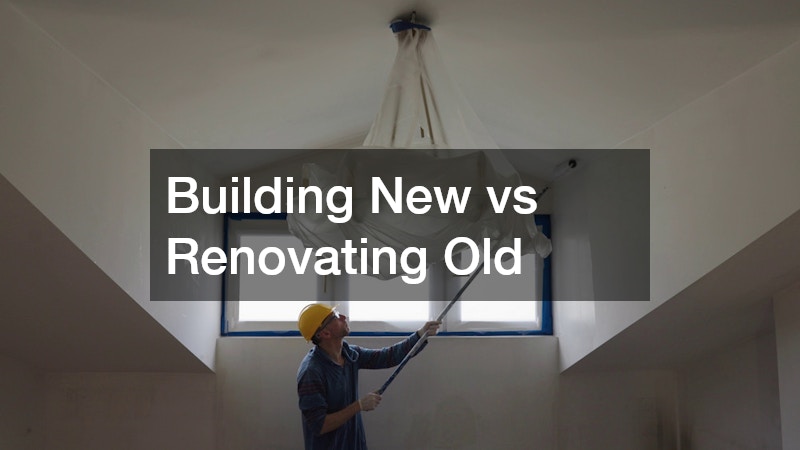
Sometimes the smartest path forward isn’t renovating an existing structure but starting fresh, especially if a home has multiple compounding structural issues. Foundation settling, outdated electrical systems, failing plumbing, and roof damage often show up together in older homes, and tackling each one separately can end up costing more than a full rebuild. A structural engineer’s assessment can help you determine whether you’re looking at isolated repairs or a pattern of decay that signals it’s time to start over.
Working with experienced custom home builders allows you to design a property with modern materials, updated codes, and energy-efficient systems built in from day one. This means better insulation, smarter HVAC placement, and layouts that meet current seismic or wind-load standards without the compromises that come from working around an existing frame. You also gain the flexibility to future-proof the home with things like reinforced roofing for solar panels or wiring designed for EV chargers.
This route can actually be more cost-effective long term than continually patching an aging structure. Homeowners who sink $15,000 into a new roof one year and $20,000 into foundation repair the next often discover they’ve spent nearly what a rebuild would have cost, without gaining any of its benefits. Factoring in lower maintenance costs, better energy efficiency, and stronger resale value, a new build can pay for itself faster than a string of piecemeal renovations.
Of course, building new isn’t the right choice for everyone, particularly those attached to a specific neighborhood, school district, or a lot with mature trees and established landscaping. Emotional ties to a home’s history or location often outweigh the practical case for starting fresh.
Weigh the total cost of ongoing repairs against the investment of new construction before making a final decision. A century-old home with failing wiring, an outdated foundation, and an aging roof can easily demand $80,000 to $150,000 in cumulative repairs over a decade—costs that may rival or exceed a teardown-and-rebuild project.
Factor in less obvious variables too: permitting timelines, temporary housing during construction, and the resale value new builds tend to command in your local market. A clear-eyed comparison, ideally backed by a contractor’s inspection report and a realtor’s market analysis, often reveals which option truly makes financial sense.
- Get repair cost estimates before deciding between renovating or rebuilding, including a structural engineer’s assessment of foundation, framing, and roofing conditions
- Compare the “50% rule” some contractors use: if repairs exceed half the cost of new construction, rebuilding often makes more financial sense
- Consider long-term energy savings when comparing options, since new builds can incorporate modern insulation, high-efficiency HVAC systems, and better window ratings
- Factor in the emotional and practical value of your current location, such as school districts, neighborhood ties, or a lot size that’s hard to replace
- Weigh permitting timelines too — rebuilds often require more extensive approvals than renovations, adding weeks or months to your project
- Ask about financing options for both renovation and new construction, comparing renovation loans, construction loans, and home equity lines of credit
- Request amortized cost comparisons over 10-15 years to see how upfront savings from renovating stack up against a new build’s lower maintenance costs
Creating a Realistic Renovation Budget
A successful renovation plan requires more than picking your favorite finishes, it requires honest math. Start by listing structural repairs as non-negotiable expenses, then allocate remaining funds toward cosmetic improvements. This approach keeps your project grounded in reality rather than driven purely by design inspiration.
It’s also wise to build in a buffer of at least ten to twenty percent above your estimated costs, since unexpected issues are common once walls or floors are opened up. Homeowners who skip this step often find themselves forced to choose between finishing a project properly or cutting corners. Planning for the unexpected protects both your budget and your home’s long-term value.
- Separate essential repairs from optional upgrades in your budget
- Add a contingency fund for surprises uncovered during construction
- Get multiple quotes before committing to major projects
- Track spending closely to avoid budget creep
Signs You Are Overspending on Looks Alone
It’s easy to get swept up in design trends, but certain warning signs suggest your renovation priorities may be out of balance. If you’re pouring money into finishes while ignoring recommendations from inspectors or contractors about structural concerns, it’s time to reassess. Overspending on appearance while underfunding safety is a common and costly mistake.
Pay attention to how your choices affect long-term value versus short-term satisfaction. Trendy finishes may look appealing now but can quickly feel dated, while structural investments continue paying off for decades. Keeping this long-term perspective helps you avoid regret once the renovation dust settles.
- Notice if you’re delaying repairs to afford cosmetic upgrades
- Reassess your plan if inspection recommendations keep getting postponed
- Prioritize investments that protect resale value over passing trends
- Revisit your budget regularly as the project progresses
Final Thoughts
Balancing beauty and durability doesn’t have to feel overwhelming once you understand how the two priorities work together. Start by identifying which systems in your home need urgent attention, then layer in the aesthetic updates that bring you joy and boost value. A thoughtful, well-sequenced plan protects both your investment and your peace of mind for years to come. Take the time now to evaluate your home honestly, and you’ll be far better positioned to renovate with confidence.
