

A small electrical spark, a hairline roof leak, or a slightly sluggish septic tank rarely feels like an emergency at first. But home systems are interconnected, and a shortcut taken today often turns into a five-figure repair bill down the road. Knowing which projects genuinely require licensed, trained help can save you from safety hazards, voided warranties, and repeat repairs. This guide breaks down the home systems where DIY attempts most often backfire, and why bringing in the right expert from the start actually protects your investment.
Electrical Panels and Wiring Upgrades
Electrical work is one of the least forgiving areas for trial and error, because mistakes are often invisible until they cause a fire or a dangerous shock. Wiring that looks fine behind a wall can still be improperly grounded, overloaded, or connected to the wrong breaker size. Licensed electricians are trained to read load calculations, follow local code, and pull the permits that protect you if something goes wrong later.
Homeowners often underestimate how much a single miswired outlet or panel upgrade can affect an entire circuit. Insurance companies may also deny claims tied to fire damage if unpermitted electrical work is discovered during an investigation. Getting a second opinion before touching your panel is almost always cheaper than the alternative.
- Flickering lights or warm outlets can signal deeper wiring problems, not just a bad bulb
- Older homes with fuse boxes often need a full panel evaluation before adding new appliances
- DIY panel work is one of the most common reasons home insurance claims get denied
- Permit inspections catch hidden hazards that are easy to miss without training
Cooling System Breakdowns in Peak Season
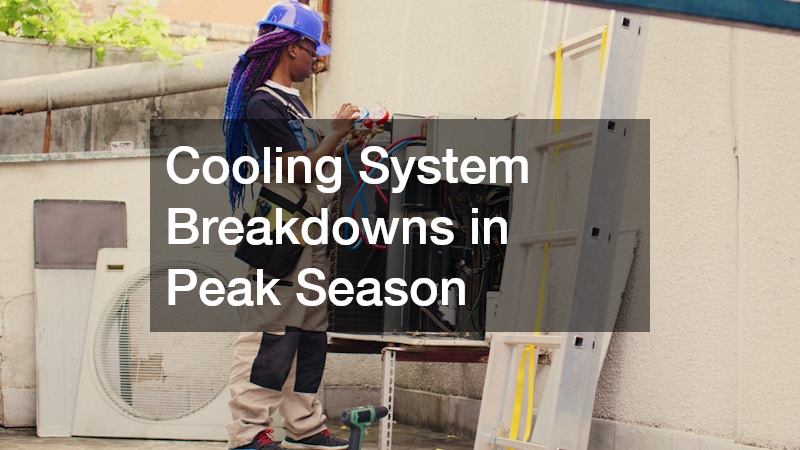
A struggling air conditioner rarely fails all at once; it usually shows small warning signs for weeks before a full breakdown. Refrigerant leaks, failing capacitors, and clogged coils all require specific tools and knowledge of pressure levels that go beyond swapping an air filter. Attempting AC repairs without proper training can damage the compressor, which is often the most expensive part of the entire system.
Timing matters too. Waiting until the hottest week of summer to address a strange noise or weak airflow usually means longer wait times and higher emergency service fees. Scheduling a checkup at the first sign of trouble, rather than after a full shutdown, tends to be far less costly overall.
- Warm air from vents can point to a refrigerant leak, not just a thermostat issue
- Ice buildup on the unit is a sign of airflow or refrigerant problems, not something to chip away yourself
- Strange rattling or grinding noises often mean a failing motor component
- Annual maintenance checks catch small issues before they become full system failures
Roof Leaks and Storm Damage Assessment
A missing shingle or a small water stain on the ceiling can look minor, but roofs are a system, not a single surface. Underlayment, flashing, ventilation, and structural decking all work together, and a problem in one area often signals a weakness somewhere else. Roofing contractors are trained to spot the difference between a cosmetic issue and a sign of deeper water intrusion that could be rotting the frame underneath.
Climbing onto a roof without the right harness, footwear, or experience is also one of the more dangerous DIY mistakes homeowners make. Falls from roofs send thousands of people to emergency rooms every year, and the risk rarely outweighs the cost of a professional inspection. A trained eye can also confirm whether storm damage qualifies for an insurance claim, which is difficult to document accurately on your own.
- Granules collecting in gutters often indicate shingles are past their useful life
- Sagging rooflines can point to structural damage that needs immediate attention
- Water stains on ceilings may trace back to a leak several feet away from the actual entry point
- Storm damage claims often require documented proof that only a trained inspection can provide
Septic Tank Overflow and Drainage Problems

A septic system that backs up is not just unpleasant, it can be a serious health hazard and an expensive one to fix if ignored. Slow drains, gurgling pipes, or a foul odor near the yard are early signs that the tank needs attention before it overflows completely. Regular septic pumping on a schedule appropriate to your household size prevents solids from building up to the point where they damage the drain field.
Trying to diagnose septic issues yourself is difficult because most of the system is underground and requires specialized equipment to inspect safely. A neglected drain field can cost thousands of dollars to replace, while routine pumping is a relatively small, predictable expense. Keeping records of past service dates also helps you stay ahead of problems instead of reacting to them.
- Standing water or unusually green patches in the yard can signal a failing drain field
- Multiple slow drains throughout the house often point to a septic issue, not a single clogged pipe
- Pumping every three to five years is typical, though usage and household size affect the timeline
- Ignoring early warning signs often leads to full system replacement instead of simple maintenance
Outdoor Living Structures and Patio Additions
Adding a patio cover, screened space, or extended outdoor living area sounds like a straightforward weekend project, but it involves footing depth, drainage slope, and material choices that affect long-term durability. An improperly installed outdoor screen enclosure can trap moisture, sag under wind load, or pull away from the house within a few seasons if it wasn’t anchored correctly. Getting the framing and fastening right the first time saves homeowners from redoing the entire structure a few years later.
Local permitting rules also apply to many outdoor structures, especially anything attached to the home’s frame or roofline. Skipping that step can create problems when selling the house later, since unpermitted additions sometimes have to be disclosed or removed. A properly built enclosure, by contrast, adds usable square footage and can even boost resale value.
- Enclosures need proper flashing where they meet the house to prevent water intrusion
- Screen material and framing should be rated for local wind and weather conditions
- Permits are often required for any structure attached to the home’s exterior
- Poor drainage planning underneath a patio can lead to pooling water and foundation issues
Full Bathroom Remodels and Plumbing Reroutes

Bathrooms combine plumbing, electrical, ventilation, and waterproofing in a small footprint, which is exactly why bathroom renovations are trickier than they appear on home improvement shows. Moving a toilet or shower even a few feet can require rerouting drain lines and adjusting the slope of pipes so waste flows correctly. Skipping proper waterproofing behind tile or under a shower pan is one of the most common causes of hidden mold and rot in the walls below.
Ventilation is another detail that gets overlooked in DIY remodels. A bathroom fan that is undersized or vented incorrectly traps humidity in the walls, which can warp cabinetry and damage drywall over time. Getting the layout, plumbing, and airflow right during the planning stage prevents the kind of teardown-and-redo scenario that costs far more than doing it correctly the first time.
- Shower pans need a specific slope toward the drain to prevent standing water
- Exhaust fans should be sized to the square footage of the room, not just any available unit
- Moving plumbing fixtures often requires updated permits and inspections
- Poor waterproofing behind tile is a leading cause of hidden wall damage in bathrooms
Backyard Patios and Retaining Wall Construction
Hardscape projects like patios, walkways, and retaining walls look simple on the surface, but they depend heavily on proper base preparation and drainage. Hardscape contractors compact the soil, add the right depth of gravel base, and grade the surface so water flows away from the house instead of pooling near the foundation. Skipping these steps often leads to shifting pavers, cracking concrete, or a retaining wall that leans within a year or two.
Retaining walls carry an added layer of risk because they hold back soil under constant pressure, especially after heavy rain. A wall built without proper drainage pipes or backfill material can bow outward or collapse, sometimes without much warning. Getting the engineering right from the start is far less expensive than rebuilding a failed wall later.
- A compacted gravel base prevents pavers from sinking or shifting over time
- Retaining walls need drainage systems to relieve pressure from trapped water
- Improper grading near hardscape can direct water toward the home’s foundation
- Frost heave in colder climates can crack poorly prepared concrete surfaces
Kitchen Surface Replacement and Cabinet Fit

Replacing kitchen surfaces seems like a simple swap, but countertop installation involves precise measurements, weight support, and often cutting for sinks or cooktops that leaves no room for error. Materials like quartz or granite are heavy and can crack if not supported evenly across cabinets that were not leveled beforehand. A miscut edge or an unsupported seam can mean an expensive do-over with a material that cannot simply be patched.
Cabinets themselves also need to be checked for level and structural soundness before new surfaces go on top. Uneven cabinets transfer stress unevenly across the material, which shows up as cracks weeks or months after installation. Taking accurate measurements and confirming cabinet stability beforehand prevents costly mistakes that are hard to reverse once the material is cut.
- Heavy stone materials need full support across cabinet edges to prevent cracking
- Sink and cooktop cutouts require precise measurements taken directly from the fixture
- Seams should be placed in low-visibility areas and reinforced properly
- Cabinets should be leveled and secured before new surfaces are installed
Attic and Wall Insulation Upgrades
Insulation affects energy bills, humidity control, and even pest problems, which is why choosing the right material and installation method matters more than homeowners often expect. Spray foam insulation expands to fill gaps that traditional batt insulation cannot reach, but it also requires careful application to avoid trapping moisture or off-gassing improperly if mixed incorrectly. Because it cures quickly and permanently, mistakes are difficult and costly to undo once it has set in place.
Attics with poor ventilation can also develop moisture problems if insulation is added without addressing airflow first. Sealing gaps without accounting for existing vents can trap humidity and lead to mold growth inside the roof structure. A proper insulation upgrade looks at the whole attic system, not just adding more material on top of what is already there.
- Spray foam requires precise mixing ratios to cure correctly and safely
- Attic ventilation should be assessed before adding any new insulation layer
- Gaps around pipes, wiring, and recessed lighting are common spots for heat loss
- Over-insulating without proper airflow can trap moisture and encourage mold growth
Moving Heavy Appliances and Furniture Safely
Relocating to a new home involves more risk to your belongings and your home’s systems than most people expect, especially when heavy appliances or furniture need to move through narrow doorways or down stairs. Some of the best moving companies offer specialized handling for items like refrigerators, washers, and pianos that require disconnecting utility lines or navigating tight turns without damaging walls or flooring. Attempting to move these items without the right equipment can result in scratched hardwood floors, damaged doorframes, or a strained back that turns a moving day into a costly setback.
Professional movers also carry insurance that covers damage to your belongings or your home during the process, which is a safety net most DIY moves do not have. Coordinating logistics like elevator reservations, parking permits, or moving heavy furniture through multiple flights of stairs is another area where experience prevents avoidable damage. Comparing a few quotes ahead of time helps homeowners find a service that matches both their budget and the complexity of their move.
- Heavy appliances often need utility lines disconnected safely before being moved
- Professional movers typically carry insurance that protects against accidental damage
- Narrow staircases and doorways increase the risk of wall or floor damage during a DIY move
- Booking movers a few weeks in advance helps secure better rates and availability
Skipping professional help on any of these systems might save money in the short term, but the long-term cost of redone work, safety hazards, or voided warranties usually outweighs the initial savings. The smartest approach is to identify which projects genuinely require licensed expertise and which ones are safe to tackle yourself, then plan your budget and timeline accordingly. Before starting your next home project, take a closer look at the systems covered here and consider getting a professional opinion first. It is a small step that can prevent a much larger repair bill later.
