
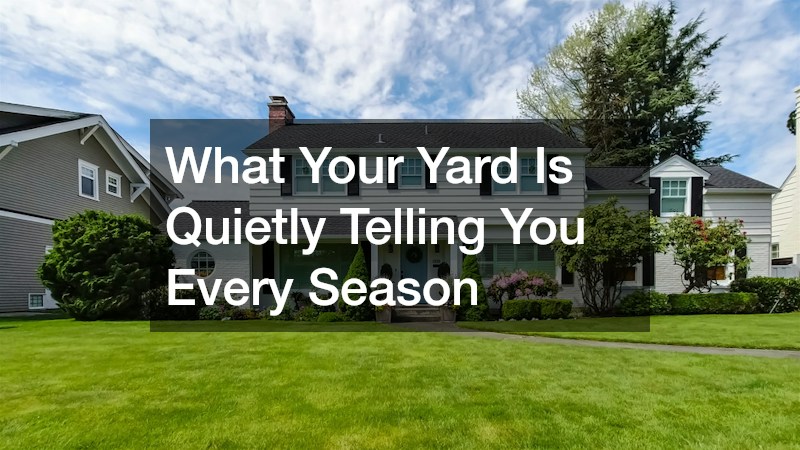
Your yard sends signals all year long, from soggy patches in spring to cracked soil in late summer. Most homeowners notice these changes but don’t connect them to the systems working beneath and around their property. Learning to read these seasonal clues can save you from costly surprises and help you catch small problems before they become expensive repairs. This guide walks through what your lawn, soil, and outdoor structures are really telling you every few months.
Spring Puddles That Won’t Drain Point to Bigger Problems
When snow melts or spring rains arrive, standing water that lingers for more than a day or two usually means your soil is compacted or your grading has shifted over time. This isn’t just a lawn issue, it can point to drainage problems that eventually affect your foundation and basement. Water that pools near the house rather than flowing away is one of the clearest early warnings a yard can give.
If the puddling seems to trace back to an underground plumbing issue rather than surface grading, it’s worth calling in plumbers who can run a camera scope through your lines to check for leaks or blockages. A slow leak from a cracked pipe can saturate the soil above it for months before it becomes obvious. In many cases, a licensed plumber can pinpoint the exact location of the break without tearing up the whole yard. Catching this early often means a simple repair instead of a full excavation later.
- Track how long water sits after a rainstorm and where it collects
- Look for unusually green or lush patches that could indicate a leak feeding them
- Check if puddles form near the same spot every time it rains
- Note any sewage smell accompanying the wet areas, which suggests a deeper issue
Early Summer Grass Stress Reveals Irrigation and Soil Gaps
As temperatures climb into the 80s and beyond, patches of yellowing or thinning grass often show up first in the areas with the worst soil compaction or the least efficient watering coverage. Look closely at high-traffic paths, the strip along the driveway, or spots near tree roots — these compacted zones can’t absorb water fast enough, so it runs off before soaking in. Meanwhile, the corners of your yard farthest from the sprinkler heads are often getting 30% less water than the rest of the lawn, even if the system “looks” like it’s covering everything. This is your yard telling you exactly where your sprinkler system is falling short or where the soil needs aeration. A simple way to confirm the diagnosis: dig up a small plug of stressed turf. If the soil is hard and root growth is shallow (an inch or less), compaction is likely the culprit rather than drought stress alone. If the grass in that spot bounces back within a day of manual watering, you’ve found a coverage gap rather than a soil problem. Waiting until the whole lawn looks stressed means you’ve already lost valuable time to intervene. By the time yellowing spreads evenly across the yard, the grass has already been under duress for weeks, and root systems may be too weakened to recover without overseeding. Catching these early, uneven patches in June gives you a much cheaper fix — a quick aeration pass or a sprinkler head adjustment — instead of a full lawn renovation come August.
Before reaching for a hose or a bag of fertilizer, walk the yard and map where the stress actually shows up. Grass on slopes tends to brown first because water runs off before it can soak in, so these spots often need shorter, more frequent watering cycles rather than one long soak. Areas under trees struggle for a different reason: roots are outcompeting the grass for both water and nutrients, which sometimes means the fix is less about irrigation and more about accepting a groundcover change in that spot. High-traffic zones, on the other hand, usually point to soil compaction. If water pools instead of soaking in within a few seconds during a simple drainage test, aerating the area can matter more than adjusting the sprinkler schedule. A soil test, whether a basic DIY kit or one sent to your local extension office, can clarify whether the yellowing is a nitrogen deficiency, a pH imbalance, or truly a water problem. Many home kits run under $20 and give results in minutes, which makes this one of the cheapest diagnostic steps available before committing to a bigger irrigation project. Addressing this in early summer prevents the kind of widespread dieback that takes an entire season to reverse. Waiting until August often means dealing with dormant or dead patches that require reseeding rather than a simple watering adjustment.
Cracked Soil in Late Summer Signals Foundation Risk
Deep cracks running through your yard during the hottest, driest weeks aren’t just cosmetic, they often indicate that the soil is losing moisture unevenly around your home’s perimeter. This uneven drying and shrinking is one of the leading causes of foundation settling in many regions. If you notice cracks radiating away from your house foundation specifically, that’s a signal worth taking seriously.
Homeowners with clay-heavy soil see this more dramatically because clay expands and contracts significantly with moisture changes. Keeping consistent, light watering along the foundation perimeter during dry spells can reduce this shrink-swell cycle. Ignoring it for several seasons in a row is what eventually leads to sticking doors, hairline wall cracks, and uneven floors inside the house.
Fall Leaf Buildup Exposes Roofing and Gutter Weaknesses
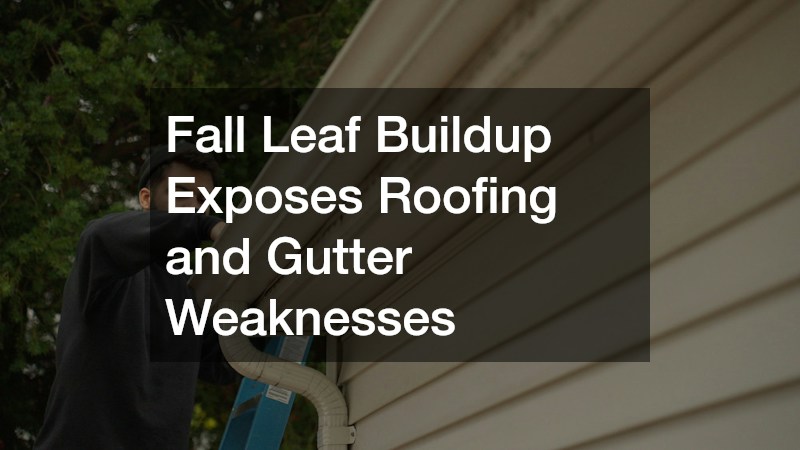
When autumn leaves pile up faster than expected in certain corners of your yard, it often means your gutters are already overflowing or your roofline is funneling water into concentrated spots. This runoff pattern can erode soil, drown grass, and create muddy trenches near your foundation. A yard that floods in the same two or three spots every fall is really showing you where your roof drainage needs attention.
If you notice granules from asphalt shingles collecting in these runoff areas, or if water stains are forming on your siding, it may be time to have roofers inspect the roof for wear before winter arrives. Small issues like lifted flashing or clogged valleys become much bigger problems once ice and snow add weight and moisture. Fall is the ideal window to have this checked, since repairs are far easier before freezing temperatures set in.
- Watch for erosion trenches forming below downspouts
- Check for excessive granule buildup in gutters or on the ground
- Look for moss or algae streaks on the roof surface
- Note any sagging sections along the roofline
Winter Ice Patterns Show Where Insulation and Drainage Fail
The way ice forms and melts across your yard in winter can reveal a surprising amount about what’s happening underground and along your home’s exterior. Icicles that form in unusual patterns along the roofline often point to heat escaping unevenly from the attic, which melts snow that then refreezes at the edges. Meanwhile, ice patches that persist longer in certain yard areas usually mark spots where drainage is poor or where a slow leak keeps the ground slightly warmer than its surroundings.
If you notice consistent icy buildup near an exterior wall, it’s worth investigating whether a septic pumping service should be scheduled sooner than planned, since a failing tank or saturated drain field can keep nearby soil warmer and wetter through winter. This kind of persistent thawing in an otherwise frozen yard is not normal and shouldn’t be ignored. A professional inspection during this season can prevent a backup from happening once the ground fully thaws in spring.
Shifting Fence Lines and Sheds Indicate Soil Movement
Outbuildings and fences are often the first structures to visibly shift when soil beneath them expands, contracts, or erodes. If you notice your shed door no longer closes evenly or your fence posts are leaning more than they used to, this is your yard signaling instability in the ground itself. These small structures act almost like canaries in a coal mine for larger drainage or grading issues.
When it comes time to replace an aging structure, working with an experienced shed builder who understands proper site grading and footing depth can prevent the same shifting problem from recurring. A well-built shed sits on a foundation designed for your specific soil type and drainage patterns, not a generic slab. Taking the time to address the underlying soil movement before rebuilding saves money and frustration down the road.
Deck Boards That Warp or Fade Point to Moisture Exposure

A deck that shows uneven fading, warping boards, or soft spots is telling you that moisture is getting trapped somewhere it shouldn’t be. This is especially common in shaded yard corners where morning dew and rainwater linger longer before evaporating. Left unaddressed, this trapped moisture can lead to rot in the structural framing underneath the visible boards.
If your current deck is showing consistent wear across multiple seasons, it might be worth consulting a composite deck builder about materials that resist moisture damage far better than traditional wood. Composite boards won’t warp or splinter the way natural lumber does when exposed to repeated wet and dry cycles. This is a practical upgrade for yards that seem to hold onto humidity longer than others in the neighborhood.
Garage Door Struggles in Cold Weather Reflect Tension Problems
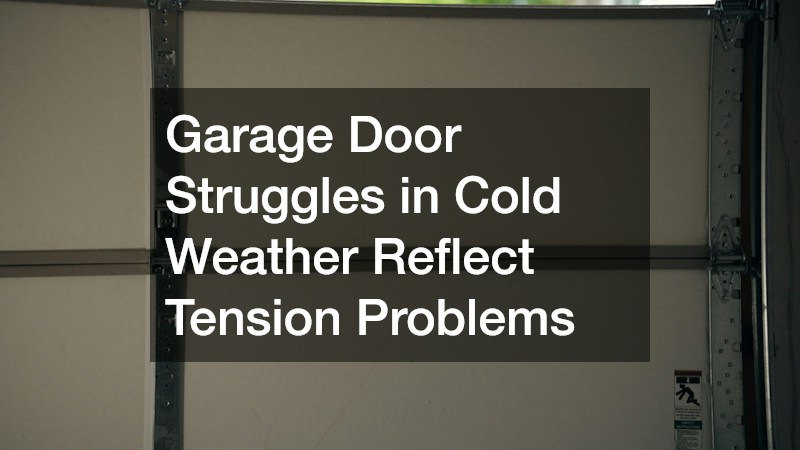
Winter is often when garage doors reveal underlying mechanical stress, since cold temperatures make metal springs more brittle and prone to snapping under tension. If your garage door suddenly feels heavier to lift manually or makes a loud bang followed by the door refusing to open, this is a clear sign of a broken garage door spring repair need rather than something to troubleshoot yourself. These springs carry significant tension and are genuinely dangerous to handle without proper tools and training.
Beyond the spring itself, notice whether the door opens unevenly or seems to sag on one side, since this can indicate a related issue with the tracks or cables. Cold weather doesn’t cause these problems on its own, but it accelerates wear that was already building throughout the year. Addressing this promptly prevents a minor mechanical issue from turning into a door that’s completely stuck closed or open.
Siding Discoloration and Warping Reveal Moisture Intrusion

If you walk your yard’s perimeter and notice streaking, bubbling, or soft spots on your home’s exterior siding, moisture is likely getting trapped behind the surface rather than draining away properly. This is often connected to the same grading and gutter issues showing up elsewhere in your yard, since water that isn’t directed away from the house will eventually find its way into the wall assembly. Discoloration near the bottom few feet of siding is especially common where splashback from poor drainage repeatedly hits the same area.
Homeowners dealing with recurring rot or warping in these zones often find that upgrading to Hardie board siding solves the problem at its source, since fiber cement resists moisture damage far better than wood or vinyl in constant contact with splashing water. This material holds up through repeated wet seasons without the swelling or peeling that plagues traditional siding. Combining this upgrade with corrected grading nearby ensures the fix actually lasts.
Kitchen and Laundry Runoff Signals Aging Appliances Outside
An often-overlooked yard clue comes from exterior spigots, condensate lines, or drainage points connected to indoor appliances like washing machines, water heaters, and refrigerators with ice makers. If you notice unexplained wet spots near these exterior connection points, it may mean a hose or line inside is beginning to fail. This runoff pattern is easy to dismiss as unrelated to the yard itself, but it’s often the earliest visible sign of an appliance nearing the end of its lifespan.
If you’re noticing these patterns alongside rising water bills or inconsistent appliance performance indoors, it’s worth talking to a knowledgeable appliance dealer about whether a repair or full replacement makes more sense. Older units often develop small leaks in supply lines long before they fail completely, and catching this early prevents water damage to both your home’s interior and the surrounding yard. A dealer who understands the connection between indoor appliances and outdoor drainage can help you plan replacements before a small leak becomes a bigger mess.
Your yard is constantly communicating, whether through a stubborn puddle, a sagging fence post, or ice that melts in odd patterns. Learning to notice and interpret these signs puts you ahead of costly repairs rather than reacting to them after the damage is done. Take a walk around your property this weekend with fresh eyes, and address the smaller issues before the next season amplifies them.
