

A leaking faucet or a cracked driveway can tempt even the most cautious homeowner into grabbing a toolbox and giving it a shot. But some home repairs are simple weekend projects, while others involve gas lines, structural loads, or electrical currents that can seriously injure you or damage your property if handled incorrectly. Knowing the difference between a job you can safely tackle and one that requires a licensed professional is one of the most valuable skills a homeowner can develop. This article breaks down common home systems and repairs so you can make informed decisions before picking up a tool.
Wiring and Electrical Panel Repairs
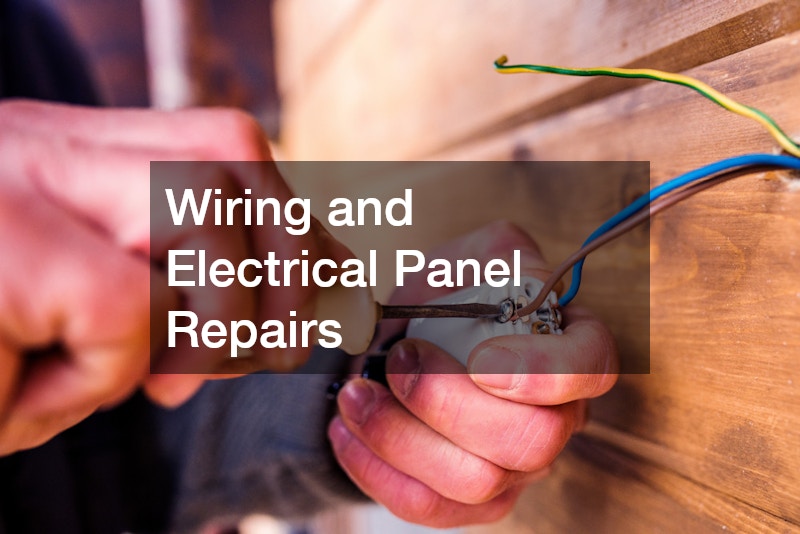
Electrical work is one of the most dangerous categories of home improvement for an untrained person to attempt. Faulty wiring is a leading cause of house fires, and mistakes are not always obvious until months or years later when a connection overheats behind a wall. The danger isn’t just fire, either — improper grounding or a live wire mistaken for dead can cause serious shock or electrocution, even at standard household voltage. Simple tasks like replacing a light switch cover, swapping a lamp fixture, or installing a new ceiling fan on existing wiring are generally low-risk for a careful homeowner. These jobs typically don’t involve altering the circuit itself, and most have clear step-by-step instructions with minimal guesswork. Anything involving your breaker panel, rewiring outlets, or running new circuits crosses into territory that requires real expertise. Panel work in particular means working close to your home’s main power feed, where a wrong move can cause arcing or damage equipment throughout the house. Adding circuits, upgrading from a 100-amp to a 200-amp panel, or wiring a new outlet for a major appliance also usually requires a permit and inspection — skip that step and you risk problems when selling the house or filing an insurance claim. Other red flags that call for a licensed electrician include aluminum wiring in older homes, frequently tripping breakers, warm outlet covers, or any sign of scorching around a switch. These symptoms often point to underlying issues — loose connections, overloaded circuits, degraded insulation — that aren’t safely fixed by simply replacing the visible part.
Wiring and electrical panel work carries real risk, including shock, fire, and code violations that can complicate a home sale down the line. Hiring a licensed electrician service ensures the work meets local code, passes inspection, and is backed by insurance if something goes wrong. That insurance and licensing matter more than most homeowners realize, since a botched panel job can void your homeowner’s insurance policy entirely if a fire investigation traces the cause back to unpermitted work. Many homeowners underestimate how interconnected household wiring is, so a seemingly small mistake in one room can create a hazard elsewhere in the house. Swapping a 15-amp breaker for a 20-amp one to stop “nuisance tripping,” for example, can overload wiring that was never rated for the extra load and create a hidden fire risk behind the wall. Panels themselves are unforgiving of error too: touching the wrong bus bar, even with the main breaker off, can still deliver a lethal shock from the incoming utility feed. If you notice flickering lights, warm outlets, discolored switch plates, or a breaker that trips repeatedly, treat that as a sign to call a professional rather than a DIY troubleshooting project. A buzzing sound from an outlet or panel is another red flag that shouldn’t wait. These symptoms often point to loose connections, aging aluminum wiring, or an overtaxed panel, any of which a licensed electrician can diagnose safely and correct to code.
- Safe DIY tasks: replacing light bulbs, switch plates, outlet covers, or plugging in surge protectors and power strips
- Also generally safe: installing battery-operated or plug-in fixtures, replacing a doorbell, or swapping a light fixture if you’re comfortable working with a single circuit
- Leave to professionals: panel upgrades, new circuit installation, aluminum wiring replacement, and any work requiring a permit
- Also call an electrician for: relocating outlets, adding 240-volt circuits for appliances, or troubleshooting frequent breaker trips
- Warning signs: burning smells, buzzing outlets, discolored or warm switch plates, flickering lights, or breakers that trip repeatedly
- Older homes (pre-1960s) with knob-and-tube or aluminum wiring warrant a professional inspection even if nothing seems wrong
- Always shut off power at the breaker before touching any exposed wiring, and verify it’s off with a non-contact voltage tester
- When in doubt about a panel’s amperage or capacity, have an electrician assess it before adding new appliances or circuits
Pipe Leaks and Drain Blockages
Plumbing problems range from minor annoyances to major water damage risks, and knowing which category your issue falls into matters. A slow bathroom sink drain might respond well to a simple plunger or a store-bought enzyme treatment, but recurring clogs throughout the house often point to a deeper blockage in the main line. Attempting to snake a main line without the right equipment can push debris further in or damage older pipes, turning a manageable problem into an expensive one.
Professional drain cleaning uses tools like motorized augers and hydro-jetting equipment that can clear blockages without harming your pipes. This is especially important in older homes with clay or cast iron pipework, where aggressive DIY methods can crack fragile joints. If you are dealing with slow drains in multiple fixtures at once, gurgling toilets, or sewage odors, it is worth scheduling a professional inspection before the issue becomes a backup in your home.
- Safe DIY tasks: plunging a single clogged drain, replacing a worn faucet washer
- Leave to professionals: main line clogs, sewer backups, repiping sections of galvanized pipe
- Warning signs: multiple slow drains, gurgling sounds, sewage smell near floor drains
Roof Leaks and Shingle Damage
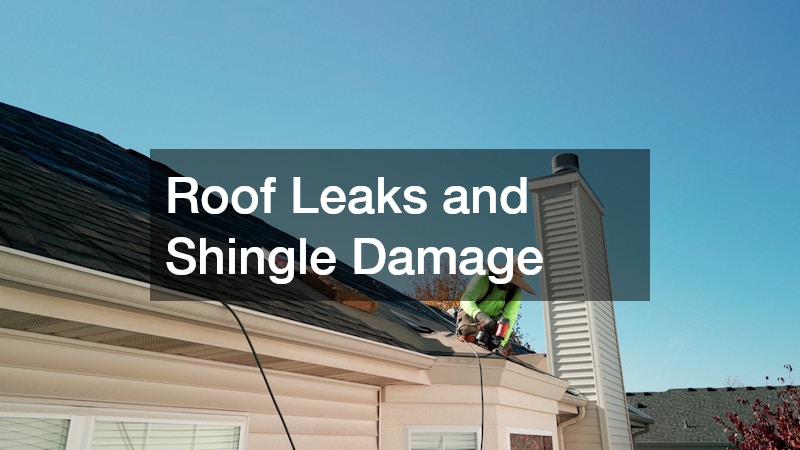
Roofing is another area where the risk of injury and the risk of costly mistakes both run high. Climbing onto a steep or wet roof without proper safety gear is dangerous, and even a small misstep in shingle replacement can lead to leaks that show up months later as ceiling stains or mold. Homeowners can often handle minor tasks like clearing debris from gutters or replacing a single loose shingle on a low-pitched, easily accessible roof.
When damage is widespread, or your roof is nearing the end of its expected lifespan, a full roof replacement is usually more cost-effective than patching repeatedly. A qualified roofing contractor can also spot underlying issues, like damaged flashing or deteriorating decking, that are easy to miss from the ground. Because roofing problems affect the entire structural envelope of your home, it is worth getting a professional opinion before committing to a repair versus replacement decision.
- Safe DIY tasks: clearing leaves from gutters, checking attic ventilation from inside
- Leave to professionals: shingle replacement on steep roofs, flashing repair, full roof replacement
- Warning signs: daylight visible through roof boards, sagging rooflines, granules collecting in gutters
Driveway Cracks and Pavement Deterioration
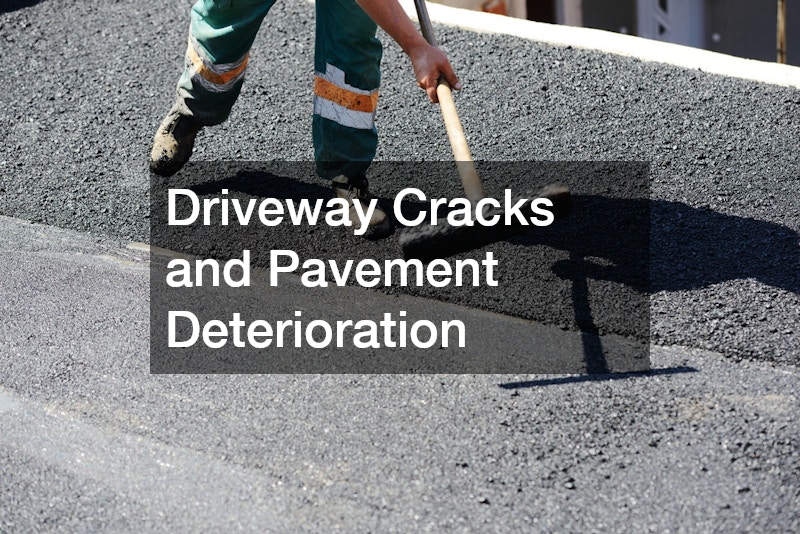
Cracked or crumbling pavement is a common issue in older driveways and walkways, especially in climates with freeze-thaw cycles, where water seeps into hairline cracks, freezes, and expands them wider with every winter. Small surface cracks, generally anything under a quarter-inch wide, can often be filled with a caulk-based sealant or asphalt crack filler available at any hardware store. This offers a temporary fix that prevents water infiltration, and most products just need to be reapplied every year or two to keep doing their job. Larger cracks, potholes, or sections where the pavement has visibly shifted or sunken usually indicate a problem with the base layer underneath, which a topical patch will not solve. This kind of damage is often a sign of poor soil compaction, erosion from drainage issues, or root intrusion from nearby trees, all of which need to be addressed before any resurfacing will hold. In these cases, the fix typically involves excavating the damaged section, correcting the base with compacted gravel, and repouring the surface, work that’s best handled by a paving contractor. Attempting a DIY patch over an unstable base usually means the crack reappears within a season or two, wasting both the material and the labor.
Small hairline cracks under an eighth of an inch wide are usually fine for a DIY sealant job, which costs about $20 to $50 and can be done in an afternoon. But once cracks widen beyond a quarter inch, branch into a spiderweb pattern, or appear alongside sunken sections, they usually signal problems below the surface rather than simple wear on top. In these cases, professional paving repair is the better long-term investment, since contractors can address drainage and base compaction issues rather than just cosmetic damage. A poorly compacted base or water pooling beneath the asphalt will keep pushing cracks back open no matter how many times you patch them yourself. Ignoring foundational pavement problems often leads to faster deterioration and more expensive repairs down the road, sometimes turning a $500 patch job into a $3,000 to $5,000 repave. If your driveway has multiple interconnected cracks, noticeable dips, or areas where water consistently collects after rain, it is worth getting an assessment before winter weather makes the damage worse. Freeze-thaw cycles force water into existing cracks, where it expands and fractures the pavement further, so timing matters as much as the repair itself. A contractor can also tell you whether a simple overlay will suffice or whether the driveway needs full excavation and rebuilding.
- Safe DIY tasks: filling hairline cracks under 1/4 inch wide with concrete caulk or asphalt crack filler, and applying sealcoating every 2-3 years to protect against water and UV damage
- Leave to professionals: repairing a failed base layer, full resurfacing or repaving, and fixing standing water caused by poor grading or drainage slope
- Warning signs: cracks wider than 1/2 inch or actively spreading, potholes that keep reappearing after patching, and uneven settling or sinking near the foundation
- When in doubt, get a professional assessment: settling near the foundation especially can signal drainage or soil issues that go well beyond the pavement itself
Fence Installation and Metal Gate Repairs
Fencing might seem like a straightforward DIY project, and for wood picket fences on flat ground, it often can be. However, once you introduce metal fencing, especially wrought iron or steel security fencing, the project becomes more technical. Setting posts at the correct depth, welding or bolting sections properly, and ensuring gates swing and latch correctly all require more precision than most homeowners expect.
Working with an experienced iron fence company can save you from structural problems down the line, like leaning posts or gates that sag within a year of installation. These companies also understand local property line regulations and can advise on the right materials for your climate, since some metal finishes hold up better against rust and humidity than others. A properly installed metal fence can last decades, making it worth the investment to get the installation right the first time.
- Safe DIY tasks: minor repairs to wood fence panels, repainting or staining
- Leave to professionals: iron or steel fence installation, gate alignment, post footing work
- Warning signs: leaning posts, rust at weld points, gates that no longer latch properly
HVAC System Maintenance and Repairs
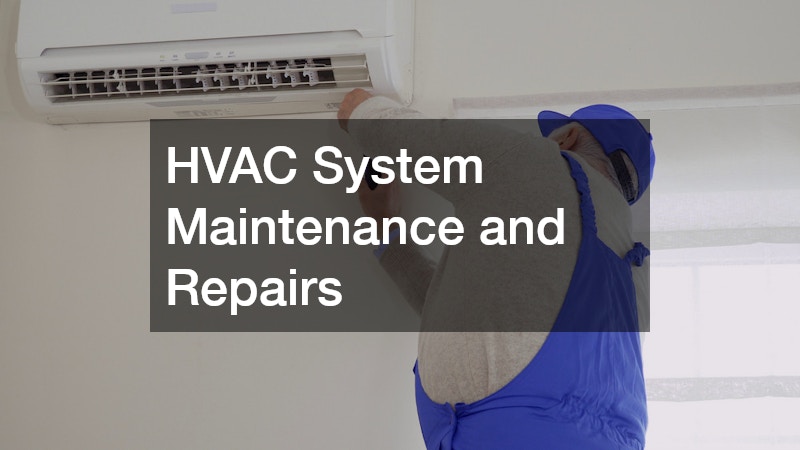
Heating and cooling systems combine electrical components, refrigerant lines, and complex mechanical parts, making them a poor candidate for casual DIY repair. Homeowners can safely handle basic maintenance like changing air filters or clearing debris from around an outdoor condenser unit. But refrigerant handling, in particular, is regulated, and improper handling can be both illegal and hazardous.
When your system is blowing warm air, cycling on and off too frequently, or making unusual noises, it is time to call one of the local air conditioning companies rather than attempting a repair yourself. Technicians carry the specialized gauges and tools needed to diagnose refrigerant leaks, failing capacitors, and compressor issues accurately. Regular professional tune-ups also extend the lifespan of your system and can catch small problems before they turn into a full system failure during the hottest days of summer.
- Safe DIY tasks: replacing air filters, cleaning around outdoor units, clearing vents of dust
- Leave to professionals: refrigerant recharging, compressor repair, ductwork sealing
- Warning signs: warm air from vents, unusual cycling, rising energy bills without explanation
Yard Grading and Outdoor Living Spaces
Outdoor projects often feel more approachable than indoor systems work, since mistakes are usually visible and correctable rather than hidden behind walls. Planting shrubs, laying mulch, or installing a small paver walkway are all reasonable DIY undertakings for most homeowners with basic tools. Larger scale landscaping projects, however, particularly those involving grading, drainage redirection, or retaining walls, carry more risk if done incorrectly.
Poor grading can direct water toward your foundation instead of away from it, leading to basement moisture problems that are expensive to fix later. A professional can assess your yard’s slope and design a plan that balances aesthetics with proper water flow. If you are planning a significant outdoor renovation involving elevation changes or hardscaping near your home’s foundation, it is worth consulting a specialist before breaking ground.
- Safe DIY tasks: planting beds, mulching, small container gardens
- Leave to professionals: major grading changes, retaining wall construction, drainage system design
- Warning signs: water pooling near the foundation, soil erosion, dying grass in consistent patterns
Bathroom Glass and Countertop Upgrades
Bathroom and kitchen renovations often involve materials that look simple to install but require precision measurement and specialized handling. Frameless shower door installation is a good example, since it depends on exact measurements and proper anchoring into tile or stone to prevent leaks and ensure the door hangs correctly. A small error in measurement can result in a door that does not seal properly, leading to water damage on bathroom floors.
Similarly, installing countertops made of granite, quartz, or marble requires specialized cutting tools and enough manpower to handle heavy, brittle slabs without cracking them. These materials are expensive, and a mistake during installation often means replacing the entire piece rather than making a simple fix. For both of these upgrades, professional installation protects your investment and ensures a polished, long-lasting result.
- Safe DIY tasks: replacing cabinet hardware, recaulking around an existing tub
- Leave to professionals: frameless glass installation, stone or quartz slab fitting, custom cabinet cutouts
- Warning signs: shower doors that do not seal, visible seams, uneven support beneath heavy slabs
Neighborhood Infrastructure and Property Access Projects
Occasionally homeowners get involved in projects that extend beyond their own property line, such as coordinating with neighbors on a shared driveway or dealing with a municipal project affecting street access. Small-scale road construction projects, like extending a private access road to a rural property, involve permitting, grading standards, and material specifications that differ significantly from a residential driveway. These projects typically require coordination with local authorities and licensed contractors familiar with regional codes.
Attempting to manage grading or paving for anything beyond a short personal driveway extension without proper equipment usually results in a surface that erodes quickly or fails to meet load-bearing requirements for vehicles. If you are considering adding or upgrading a road or access point on your property, start by checking with your local permitting office to understand what standards apply. This upfront research can save significant time and prevent costly redo work later.
- Check permitting requirements before any road or driveway extension project
- Understand load-bearing and drainage standards for vehicle access points
- Coordinate with neighbors early if a shared access road is involved
- Budget for potential utility line considerations before digging
Recognizing the line between a manageable weekend project and a job that requires professional expertise protects both your home and your safety. When in doubt, get a second opinion from a licensed professional before starting any project involving electrical systems, plumbing, structural work, or heavy materials. Taking the time to research and plan appropriately now will save you from costly repairs, safety hazards, and frustration later. Use this guide as a starting point, and don’t hesitate to call in an expert when a project exceeds your comfort level or skill set.
