Hiring someone to work on your roof is a significant decision. Whether you need a small repair, a complete replacement, or an inspection after severe weather, the quality of the work can affect your home’s protection for years. Roofing projects can also represent a substantial financial investment, making it important to carefully evaluate contractors before signing an agreement.
Taking time to research a roofing company, understand the proposed work, and ask the right questions can help homeowners make a more informed decision.
Verify Licensing and Insurance
One of the first things to investigate is whether a contractor meets applicable licensing and insurance requirements in your area.
Requirements for roofing contractors vary by state and municipality, so homeowners should understand the rules where their property is located. Contractors should also carry appropriate insurance coverage for the work they perform.
Ask a prospective contractor about licensing and insurance before the project begins. A reputable business should be prepared to discuss its credentials and provide relevant documentation when appropriate.
Look at the Company’s Experience
Experience can be particularly valuable in roofing because contractors encounter many different roof designs, materials, and potential problems.
Ask how long the roofing company has been operating and whether it regularly works with the roofing material on your home. Installing asphalt shingles, metal roofing, tile, or slate can require different knowledge and techniques.
Experience with similar projects can also make it easier for contractors to identify underlying problems and recommend appropriate solutions.
Read Reviews and Ask for References
Online reviews can offer insight into previous customers’ experiences.
Instead of looking only at the overall star rating, read individual reviews to identify recurring themes. Pay attention to comments about communication, punctuality, cleanup, workmanship, and how the contractor addressed unexpected problems.
You can also ask the contractor for references from previous customers. Speaking directly with a homeowner who completed a similar project may provide additional information about what to expect.
Request a Detailed Written Estimate
Homeowners should understand exactly what they are paying for before approving a roofing project.
A written estimate should clearly describe the proposed work and associated costs. Depending on the project, it may address roofing materials, labor, removal of the existing roof, disposal, flashing, underlayment, ventilation, and potential decking repairs.
Comparing detailed estimates from multiple contractors can be more useful than simply comparing final prices.
If one roofing company provides an estimate that is dramatically lower than the others, ask why. Differences in materials, project scope, warranties, or installation procedures could explain the price difference.
Ask Which Materials Will Be Used
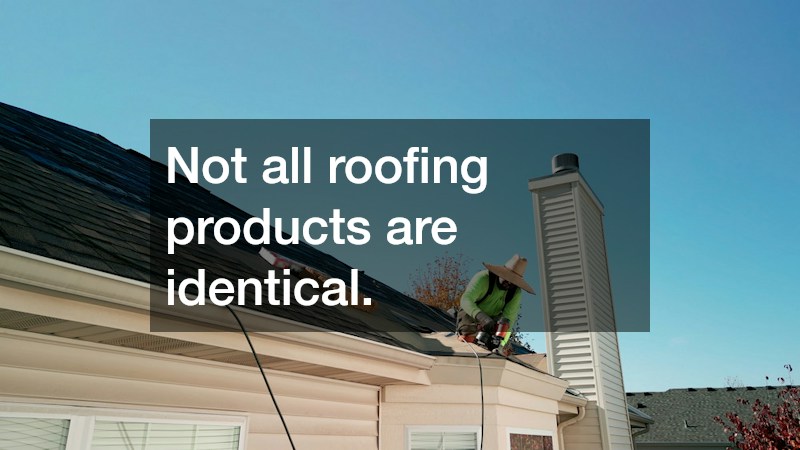
Not all roofing products are identical.
Even within a category such as asphalt shingles, homeowners may encounter different styles, product lines, features, and warranty terms. Ask the contractor which products are being proposed and why they are appropriate for your home.
Homeowners should also understand what underlayment, flashing, ventilation products, and other components will be included.
A roof is a complete system rather than simply its visible exterior material, so every component deserves consideration.
Understand the Warranty
Roofing projects may include more than one type of warranty.
The roofing material manufacturer may provide a product warranty, while the contractor may separately provide coverage related to workmanship. These warranties can have different terms, exclusions, durations, and requirements.
Ask the contractor to explain what is covered and what is not.
You may also want to determine whether specific maintenance practices or installation requirements must be followed to preserve warranty coverage. Keep copies of warranties and project documentation after the work is completed.
Find Out Who Will Perform the Work
The person providing your estimate may not necessarily be the person installing your roof.
Ask whether the roofing company uses its own employees, subcontractors, or a combination of both. You can also ask who will supervise the project and whom you should contact if questions arise during installation.
Knowing who is responsible for the job can make communication much easier once work begins.
Homeowners may also want to ask how the contractor ensures that everyone working on the roof follows the company’s installation and safety procedures.
Discuss the Project Timeline
Roofing projects can temporarily affect parking, outdoor spaces, noise levels, and normal household routines.
Ask approximately when the project will begin and how long the work is expected to take. Keep in mind that weather, material availability, structural discoveries, and other circumstances can affect schedules.
You should also ask what happens if rain or another weather event occurs after the old roofing materials have been removed.
An experienced contractor should have procedures for protecting an exposed roof if conditions unexpectedly change.
Ask About Property Protection
Roof replacement produces a considerable amount of debris.
Old shingles, nails, underlayment, and other materials must be removed from the roof and transported away from the property. Ask how the contractor intends to protect landscaping, siding, windows, driveways, and outdoor equipment during this process.
The roofing company should also have a cleanup plan.
Ask whether crews will remove all project debris and how they will search for roofing nails around the property when installation is finished. Magnetic collection tools are commonly used to help locate loose fasteners.
Understand How Unexpected Damage Is Handled
Not every roofing problem is visible before the existing materials are removed.
Once contractors expose the roof deck, they may discover rotted wood, moisture damage, or other conditions that require additional work.
Before the project begins, ask what happens if hidden damage is discovered. Find out how additional repairs are priced and whether you will be contacted for approval before work beyond the original scope is performed.
Having this conversation beforehand can prevent confusion when unexpected conditions arise.
Be Cautious About Choosing on Price Alone
Cost matters, but the cheapest estimate is not automatically the best value.
Roofing quality depends on materials, preparation, installation techniques, and attention to vulnerable areas such as valleys, flashing, vents, and roof edges.
A lower estimate may be perfectly legitimate, but homeowners should understand why prices differ.
Compare the entire proposal, including materials, warranties, contractor experience, project scope, and cleanup procedures, before choosing a roofing company.
Do Your Research Before Signing
A roof is one of your home’s primary defenses against the elements, so hiring a contractor deserves careful consideration.
Check credentials, research previous work, compare detailed estimates, understand warranties, and ask questions about materials and installation procedures. Make sure the contract clearly describes the project’s scope before work starts.
Choosing a roofing company based on thorough research rather than price alone can help homeowners feel more confident about the project and the protection their new or repaired roof will provide.